
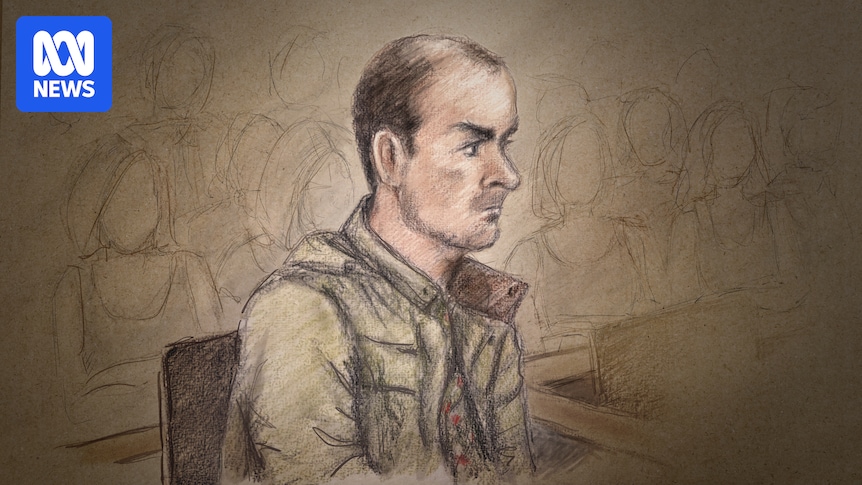
One of Australia’s most notorious paedophiles could have been “detected and disrupted earlier”, a damning review into how he was able to offend for so long has found.
Ashley Paul Griffith was sentenced to life in prison last year, with a non-parole period of 27 years, after pleading guilty to more than 300 charges committed in childcare centres in Brisbane and Italy over almost two decades.
Griffith is appealing that sentence.
Sexual assault support services:
The Child Death Review Board report was ordered by the Queensland government in January and had been a pre-election commitment from the LNP.
It used Griffith as a case study to review system responses to child sexual abuse, and make recommendations to improve laws and policies across early childhood education, police, and the blue card systems.
The review identified 18 points or “missed opportunities” where Griffith’s offending could have been disrupted or stopped, had a different action been taken.
Those included times where children and parents had spoken up, and times where he was dismissed from his employment.
The report made 28 recommendations in total, including eight about Griffith’s offending specifically.
Released publicly on Monday, the review found information and “warning signs” about Griffith were raised and recorded across different organisations and agencies, but this was not shared.
It also found Griffith was apprehended only after uploading digital images, rather than in response to any “legitimate concerns” that had been raised by parents and children.
It found Queensland’s blue card system “functioned as intended” but offered no meaningful protection to children as it did not alert organisations to the risk.
At an organisational level, the report found Griffith was often “moved on”, instead of the risks he presented being “systematically addressed”.
“These findings demonstrate systemic weaknesses: siloed information, fragmented responsibilities, insufficient thresholds for action, and a lack of coordinated safeguarding architecture,” the report read.
Griffith dismissed from employment on more than five occasions
Chief executive of the Queensland Family and Child Commission (QFCC) Luke Twyford, who led the review, said that children, parents, colleagues and centre managers had spoken up about Griffith during his 20 years of offending.
Mr Twyford said Griffith had been dismissed from his employment on more than five occasions, and had been the subject of police and early childhood regulatory investigations into his conduct.
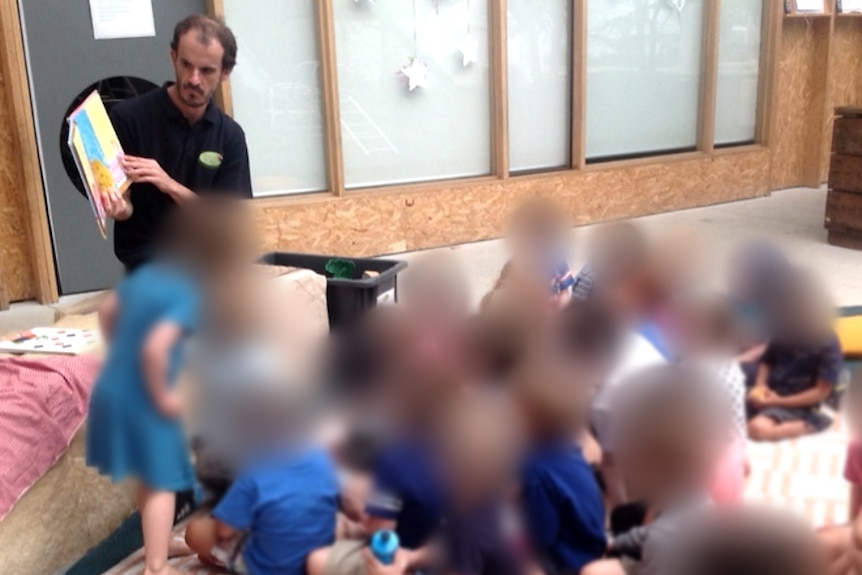
The report made 28 recommendations in total, including eight about Griffith’s offending specifically. (Supplied)
“And yet none of that made a difference,” he said.
“There is something wrong with our system when so many victims, colleagues and witnesses speak up and yet there is no effective outcome.”
The report found the focus on detecting crimes left “children at risk”, and recommended moving towards “detecting safety threats”, Mr Tywford added.
He said if it was true that the systems “didn’t fail but they were completely inadequate, then we must therefore build completely new systems”.
Australia’s child care paedophile crisis exposed
“We need someone to have the job of looking for risks, if we only focus on crimes, then children are not safe,” he said.
“Police thresholds for action inhibited early detection. There are too many concerns that didn’t reach the criminal threshold, but clearly showed that something was not right.”
The review found that the Blue Card system functioned as intended — despite Griffith remaining entitled to hold one for the entire period of his offending — but called for further reform.
Mr Twyford said a “stark finding” had also been a lack of a clear pathway for parents who wanted to raise concerns — something the review recommended developing.
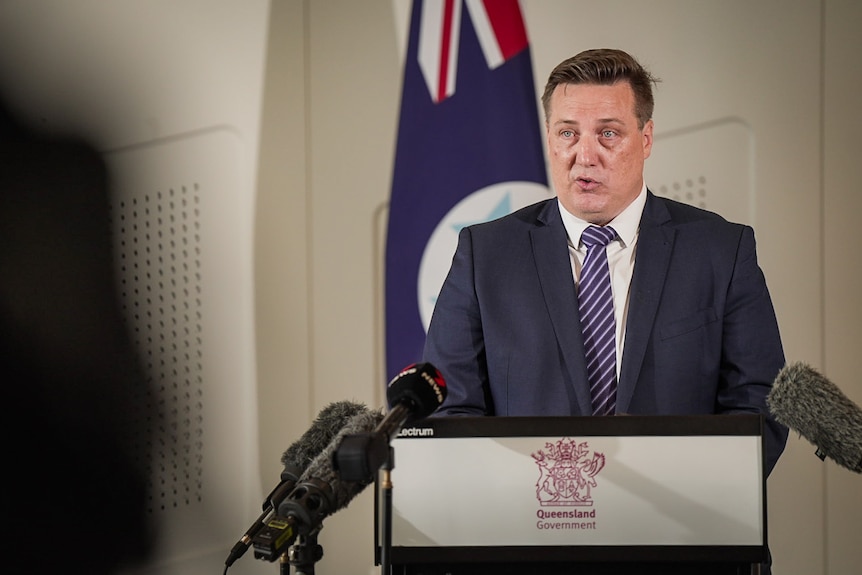
Queensland Family and Child Commission Commissioner (QFCC) Luke Twyford led the review. (ABC News: Cameron Lang)
“Parents went to police only to be told there was insufficient evidence for a crime,” he said.
“Parents went to the child protection system only to be told that they were the parent and they were acting protectively.”
‘Harrowing and disturbing reading’
Speaking to reporters in Brisbane on Monday, Premier David Crisafulli said the report made for “harrowing and disturbing reading”.
He said the government would act swiftly in response.
“It is also a call to action … and action is what we will be delivering,” he said.
“There is no greater priority than keeping kids safe.”
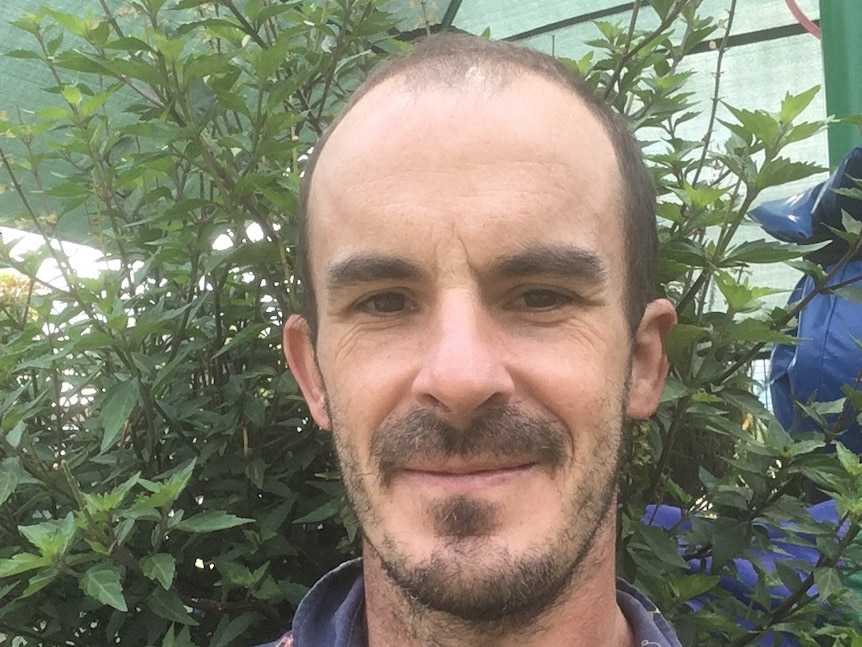
Griffith was used as a case study for the review. (Supplied)
Attorney-General Deb Frecklington said the review found Griffith “could have been stopped and should have been stopped”, and the government had taken steps to strengthen the system since.
The LNP government has previously announced it will introduce a reportable conduct scheme, which is due to come into effect in 2026.
Review hears past complaints against Ashley Paul Griffith may not hav been shared between agencies
Reportable conduct schemes were a recommendation of the 2017 Royal Commission into Institutional Responses to Child Sexual Abuse.
That scheme will require organisations to report and investigate allegations or convictions of child abuse or child-related misconduct made about their workers and volunteers.
Ms Frecklington said there had also been work done to improve information sharing across different levels of governments.
The review’s recommendations are wide-ranging in nature and call for more action from the federal and Queensland governments, as well as from employers.
Mr Twyford said the recommendations were deliberately broad, and he wanted governments to take time in formulating a response to them.