
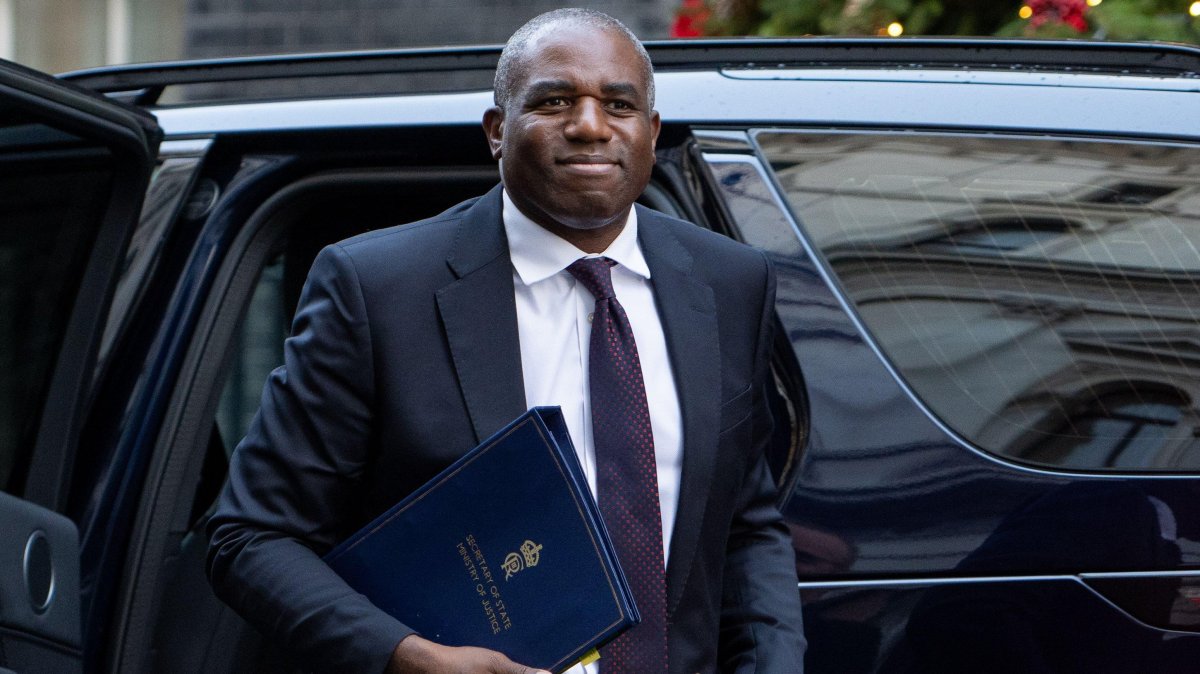
David Lammy has been accused by senior barristers of misrepresenting figures about rape cases collapsing in a “cynical” attempt to push through the abolition of half of all jury trials.
The justice secretary has repeatedly suggested that 60 per cent of victims are pulling out of cases because of delays in the court system. However, the true statistics show the vast majority of rapes reported are abandoned long before a charge is brought, due to factors such as policing delays. The number of victims withdrawing post-charge is 8 per cent.
Lammy had told Sky News: “If a woman is, sadly, raped in our country today, she will likely have her trial come on in 2028, maybe 2029. That’s a long time for her to wait. Victims of rape are pulling out — 60 per cent are pulling out of cases — witnesses fall away, and the trauma of waiting is too hard.”
The figure was circulated to Labour members in a 13-page briefing of key messages they should use to defend the policy, using the phrase: “In rape cases, 60 per cent of those who report being raped are now pulling out before trial.”
Chris Henley KC, who has appeared in high-profile trials including the murders of Damilola Taylor and Daniel Morgan, said: “Delays pre-charge or a change of mind pre-charge can’t be blamed on the backlog. So much of what Lammy says to defend these proposals is inaccurate. He must know. It’s really cynical.”
He said that Lammy was either “cynical or staggeringly gullible” about the data. “It’s a cowardly betrayal of everything he said in his 2017 review [on the jury system] and what he has repeated since,” he said.

Chris Henley KC
TIMES PHOTOGRAPHER JACK HILL
Andrew Thomas KC, of the Criminal Bar Association, acknowledged that court delays placed a huge burden on victims, particularly in sexual assault cases. However, he said a rational debate based on evidence was needed. “That includes using relevant statistics in a proper fashion,” he said. “Justice, as the secretary of state for justice should know, begins only when there is a charge to bring a criminal case to court — all forms of rape included.
“The only accurate measure from a court perspective is the CPS [Crown Prosecution Service] measure of how many of its prosecutions fall away due to witness attrition and that remains, on average for the past year, around 8 per cent. To include figures relating to allegations brought to police does not assist in this debate and may lead to erroneous conclusions.”
On Saturday the Ministry of Justice described the lawyers’ comments as “completely misleading”, saying that Lammy “has been clear that justice delayed is justice denied, and it is unacceptable that 60 per cent of victims who report rape drop out of the criminal justice system. Court delays are a crucial factor in discouraging people from seeking justice at all stages — this is attested to by victims and victims’ groups.”
In other developments:Dozens of Labour MPs signed a letter to Sir Keir Starmer urging him to pause reform until “proven evidence can be provided that this proposal will substantially reduce the backlog in the crown courts”.Angela Rayner, the former deputy prime minister, was poised to join the growing rebellion.Andy Slaughter, Labour chairman of the justice committee, which Lammy faces this month, said he was concerned the government was “building a castle in the sand”.Leading KCs said there would be an increase in miscarriages of justice.
The government wants to introduce “swift courts” in which half of crown court cases would be held without a jury. A judge sitting alone would decide a defendant’s guilt in a swathe of cases in England and Wales that carry sentences up to three years, as well as complex frauds.
Far more cases will be left to magistrates, whose sentencing powers will be increased to 18 months, having only recently gone up from six months to a year.
Lammy claimed leaving judges to decide guilt would cut trial times by 20 per cent and bring the system “back from the brink of total collapse”. But Sir Brian Leveson’s review, where the figure comes from, found 20 per cent was an estimate “associated with very high levels of uncertainty”. Leveson suggested “further detailed analysis” should be considered before changing policy.
Lammy was also criticised for misrepresenting the situation in the magistrates’ courts, which would face an influx of more serious cases. He told the BBC they did not have a significant backlog, but in fact this reached a high of more than 360,000 at the end of June, a rise of more than 70,000 since last July.
Lawyers are worried that other measures, such as removing the cap on the number of days judges can sit and improving prisoner delivery to court, have been overlooked because of cost.
In the first six months of 2025, failures by prison escort services to produce defendants to the crown court resulted in 75 trials being cancelled. Henley said: “I would say with complete confidence that the 20 per cent saving that Leveson talks about would be achieved if prisoners were brought to court on time.”
Geoffrey Rivlin KC, a former deputy High Court judge, told a conference for criminal barristers on Saturday: “No one imagines that this will reduce the backlog.”
Lammy, who is also the deputy prime minister, is facing a backlash from up to 60 Labour MPs, including Rayner, his predecessor in that role. She has told allies there are serious unanswered questions about access to justice and whether the proposals would really cut the court backlog.

Angela Rayner
OLI SCARFF/AFP/GETTY IMAGES
One Labour MP said: “She knows something must be done to stop justice being endlessly delayed — but she doesn’t necessarily think this is the way to do it.” Rayner is expected to sign a letter, co-ordinated by the MP Karl Turner, a former shadow attorney-general, that calls on the government to “think again” and come back with a more “credible proposal”.
“This problem was not caused by jurors, nor will it be fixed by their eradication from public duty,” the letter states. “It is our belief that the public will not stand for the erosion of a fundamental right, particularly given that there are numerous other things that the government can do to more effectively reduce the backlog.”
Turner, the Labour MP for Hull East, described the proposal as “wrong-headed” and said it would put pressure on the already overstretched magistrates’ court system. He blamed the problem on successive governments for “ignoring the funding crisis”, adding: “I am incredibly disappointed to have to say that if the government is determined to bring this to parliament in the form of legislation, I will vote against my government with a very heavy heart.”
Signatories include Sarah Champion, the Labour MP for Rotherham. “There is no doubt that victims wait too long for justice, but I’m concerned these measures will give false hope without addressing the underlying causes,” she said.
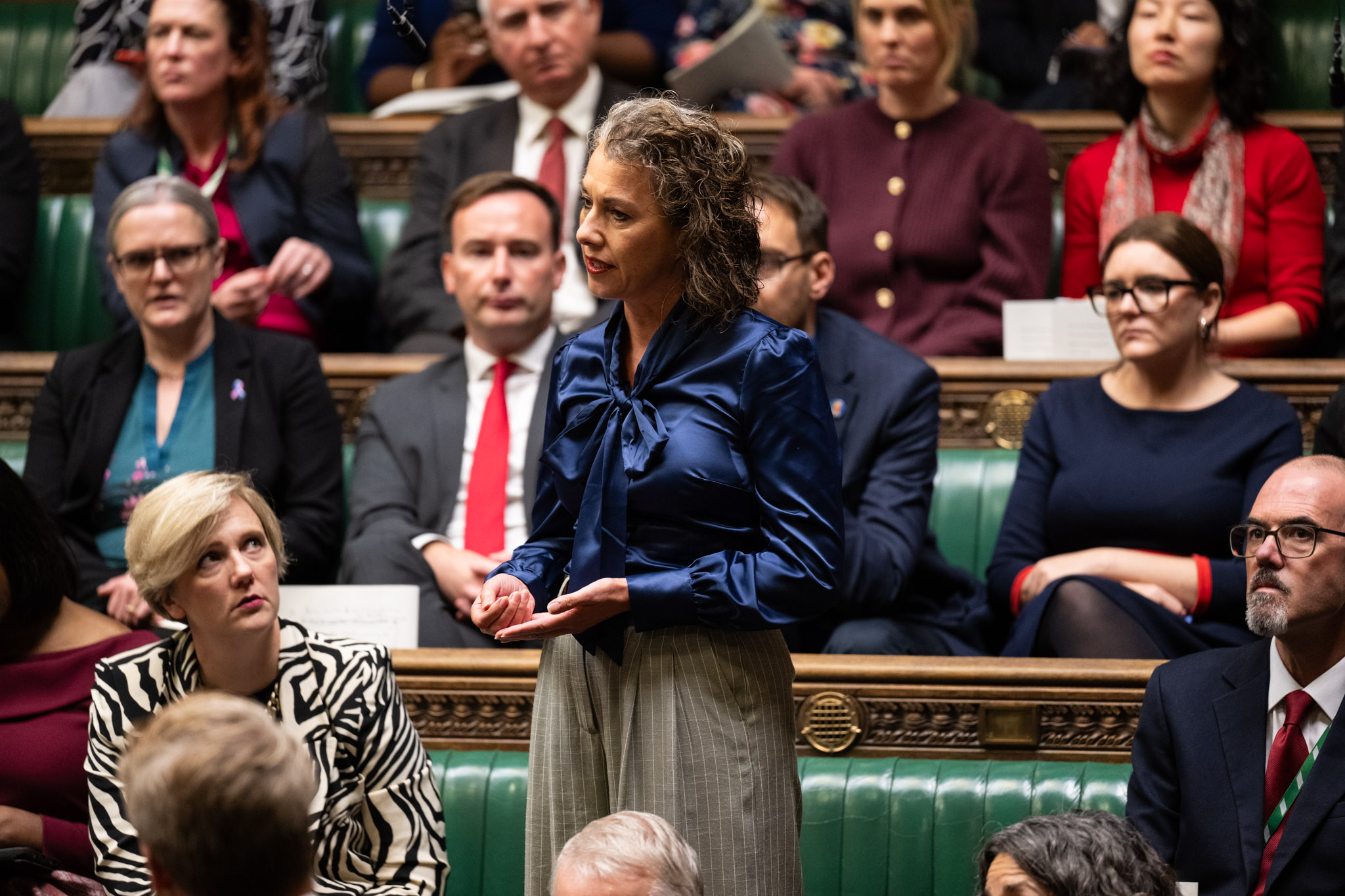
Sarah Champion
HOUSE OF COMMONS
Yasmin Qureshi, the Labour MP for Bolton South & Walkden and a barrister who has worked for the CPS, welcomed Lammy’s wider proposals to address court delays, but said the “swift courts” plan “risks creating an unnecessary new layer of bureaucracy between the magistrates’ courts and the crown court”. She said: “What we need is to rebuild the system properly, with more sitting days, properly staffed courts, timely evidence and a justice system that functions efficiently without undermining fundamental safeguards.”
Lammy will have to answer questions from the justice committee in parliament this month. Slaughter, the chairman, said he was “not persuaded” by the modelling in Leveson’s report and was concerned the government was “building a castle in the sand”. In another letter sent to Lammy on Thursday, the committee demanded that he show the methodology and modelling behind the announcement and explain how it would work in practice.
Lawyers also warned of the increased risk of miscarriages of justice. Henley, who led a review into the case of Andrew Malkinson, who was wrongly convicted and imprisoned for 17 years, said: “There are daily miscarriages of justice in the magistrates’ courts. But it’s a particular problem if you come from minority ethnic groups, and the stats bear that out. They do show that you’re more likely to be remanded in custody, convicted if you go to trial and sentenced to prison if you plead or are convicted.”
• Andrew Malkinson: ‘What do you think a false rape conviction does to a man’s mind?’
Mark McDonald, another barrister, said: “There is a belief you’re going to get justice with every crown court judge. This is simply naive. We have some great judges in this country, but we also have appalling, prosecution-minded, rude, bullying and biased judges. Prisons are going to be jam-packed.”
Baroness Kennedy, a Labour peer and human rights barrister, said: “This has all the appearances of a policy that’s been put together on the back of an envelope by talking to lawyers who’ve never done a jury trial in their life.” She said the importance of the cases being taken away from juries was being trivialised.
However, Dame Vera Baird KC, interim chair of the miscarriage of justice watchdog, the Criminal Cases Review Commission, supported the plans. She said: “Juries are great, I love them. I’ve had some great, great results there, and I’m sorry that we will have fewer, but nonetheless I just think it is a balancing exercise, and I worry hugely about victims.”
The Ministry of Justice added: “Our crucial reforms will put victims first, creating a fairer system that offers vital support to victims of rape and sexual violence, cuts the court backlog and gives brave survivors of crime the swifter justice they deserve.”