
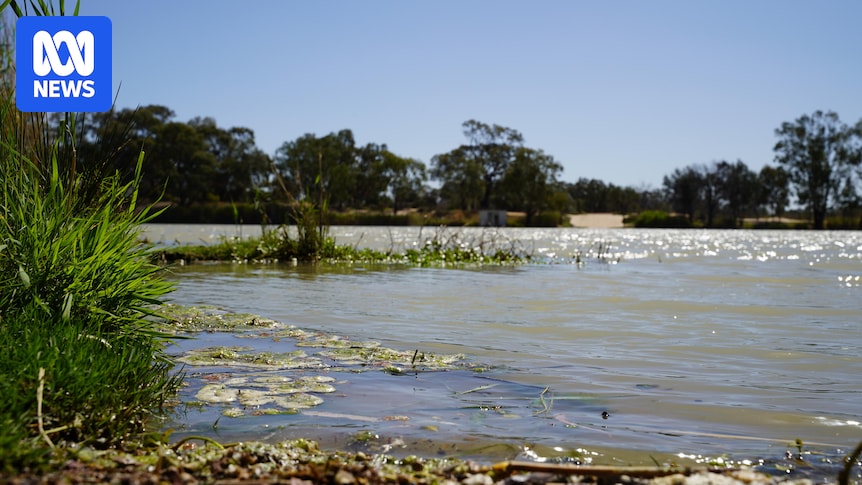
Water needs for river communities will be under increasing pressure over the next 25 years, according to predictions from the Murray-Darling Basin Authority.
The Murray-Darling Basin is home to more than 2 million people and 50 First Nation groups, while more than 3 million people rely on its 77,000 kilometres of rivers and waterways, spanning four states.
In the basin authority’s 2050 climate outlook released in early December, it is “virtually certain” the basin will be hotter and drier.
Communities, industry and the environment are all expected to feel the impacts of climate change if there are no changes to water management arrangements.
Availability of water for drinking, food preparation and hygiene could be at risk.
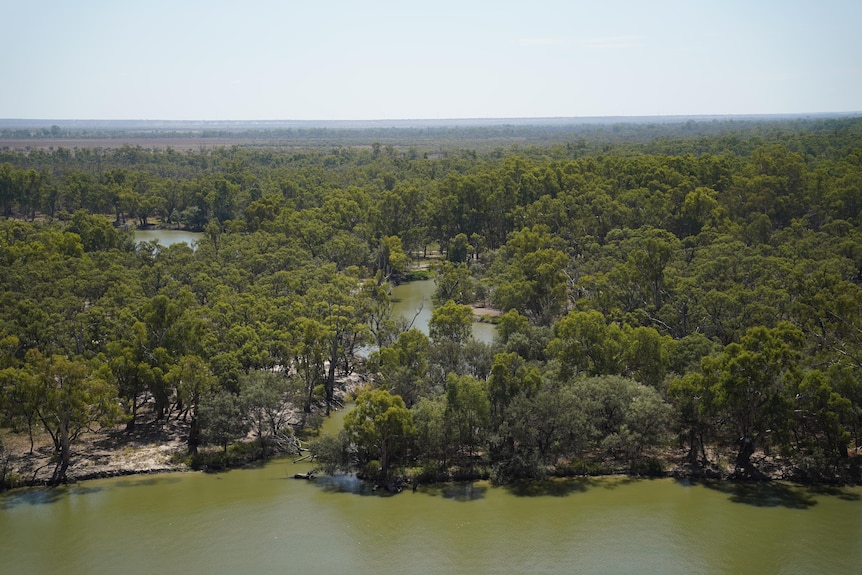
As the climate heats up, pressure to meet critical human water needs is forecast to increase. (ABC News: Will Hunter)
As the climate heats up, it is expected that water supply issues that arose during previous droughts are likely to happen again.
“During the Tinderbox Drought (2017–2019), many communities in the basin, particularly in the north, experienced extreme water security issues followed by cases of water restrictions or no water availability,” the report said.
Those kinds of responses could be activated more frequently in the future, with droughts predicted to increase from every 20 years to every 14.
Environment at risk
As temperatures across the basin are predicted to increase by about 1.3 degrees Celsius to 1.8 degrees Celsius above 1990 levels, causing water to evaporate from soil, rivers and dams and reducing water availability.
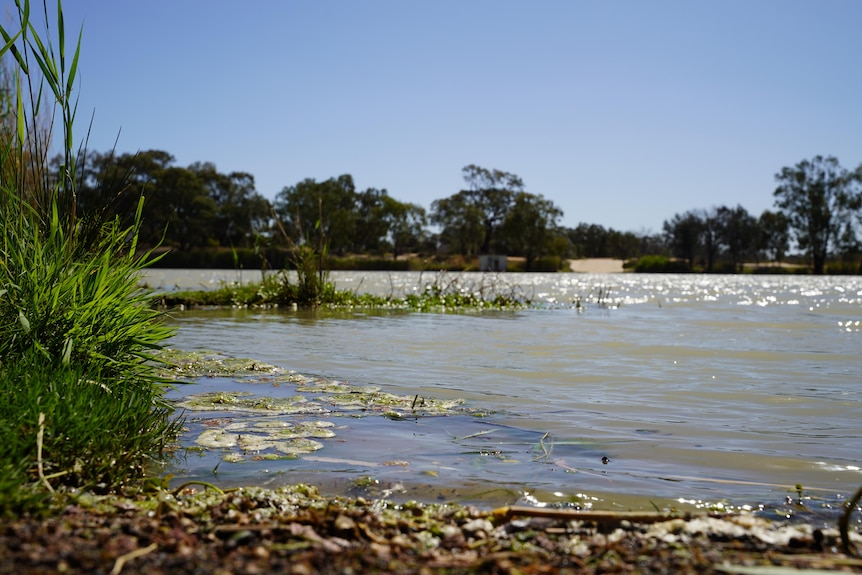
Native fish species are likely to decline or disappear altogether from numerous parts of the basin system. (ABC News: Will Hunter)
Harmful algal blooms, poor water quality and fish death events could become more frequent and widespread.
Sixteen per cent of native fish species in the basin are already under threat, with species projected to decline in numerous systems or be lost entirely.
It is expected that key fish and waterbird habitats, such as drought refuges and niche wetlands, will deteriorate as conditions heat up.
Ecologist Nick Whiterod, from the Coorong Lower Lakes and Murray Mouth Research Centre, said several species of small-bodied fish across the basin needed help.
“We have already lost a species, the yarra pygmy perch, from the lower reaches of the region,” he said.
“Unless considerable work is done, we need to brace ourselves for the loss of further populations and species, unfortunately.”
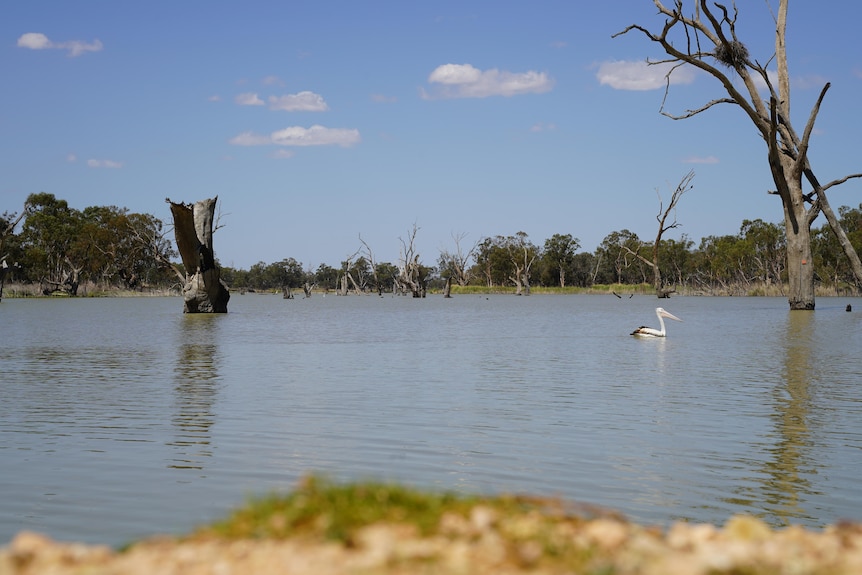
Increases in the temperature of waters could reduce its oxygen levels, affecting water quality. (ABC News: Will Hunter)
He said if the heat went above the threshold of regular temperature variation, fish could struggle to breathe with less oxygenated water.
“They’re also food resources for birds and other animals,” Dr Whiterod said.
“If we’re suddenly losing a species that has totemic value to First Nations, that’ll have a huge impact.”
Rivers also depend on groundwater for their flows and to help keep aquatic species alive during periods of drought.
In a scenario where the basin gets drier, groundwater flows may become less frequent or reduced and could cause rivers and flood plains to disconnect from each other.
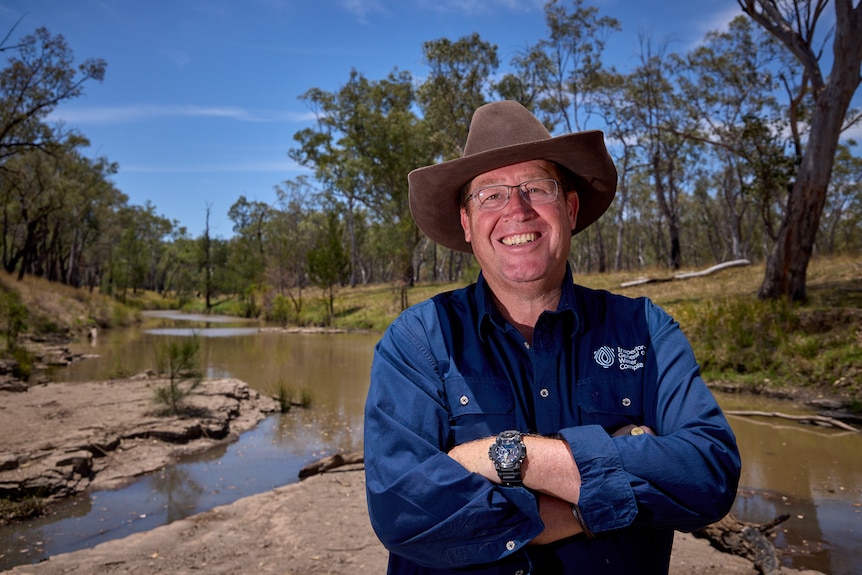
Troy Grant says many people do not realise they live in the basin. (Supplied: Inspector-General of Water Compliance)
Isn’t there a plan to manage this?
The Murray-Darling Basin Plan was introduced in 2012 to outline the distribution of water between farmers, towns and the environment.
Its major goal is to ensure enough water is left for the environment while meeting human needs.
It is due for a review next year, and Inspector-General for Water Compliance Troy Grant said it was important Australians understood how critical basin resources were ahead of the review.
“There’s a significant gap in people’s fundamental knowledge of the Murray-Darling Basin,” he said.
“The fact they live in the basin [and] how important proper water management in the basin is to their own livelihoods … and opportunities for themselves and their kids.”
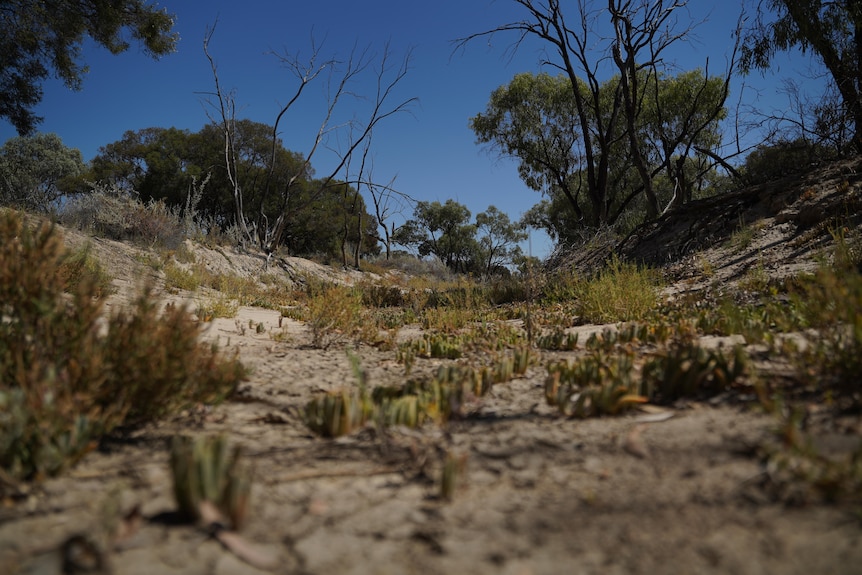
Water users are urged to follow the law and not take more water than they are allocated as climate-related challenges increase. (ABC News: Will Hunter)
Water user responsibilities
With the prediction of increasing impacts of climate change on the basin, demand for water resources will increase from all sectors, increasing water prices.
In this situation, Mr Grant warns that it could see irrigators choose to step outside of the law during droughts.
“It raises the risk that people get desperate, so they may be more prepared to risk taking water that they’re not entitled to,” he said.
“Communities suffer, job losses occur, and it takes a long time to recover in periods of drought.
“If that’s exacerbated by people taking more water than they’re allocated or should do in these tough times, it has this compounding impact and is really beyond reprehensible.
“Despite the pressures they may be under … they must only take water they’re entitled to in accordance with, not only their water allocation. but inside the specific rules that may be in place for drying and drought conditions.”
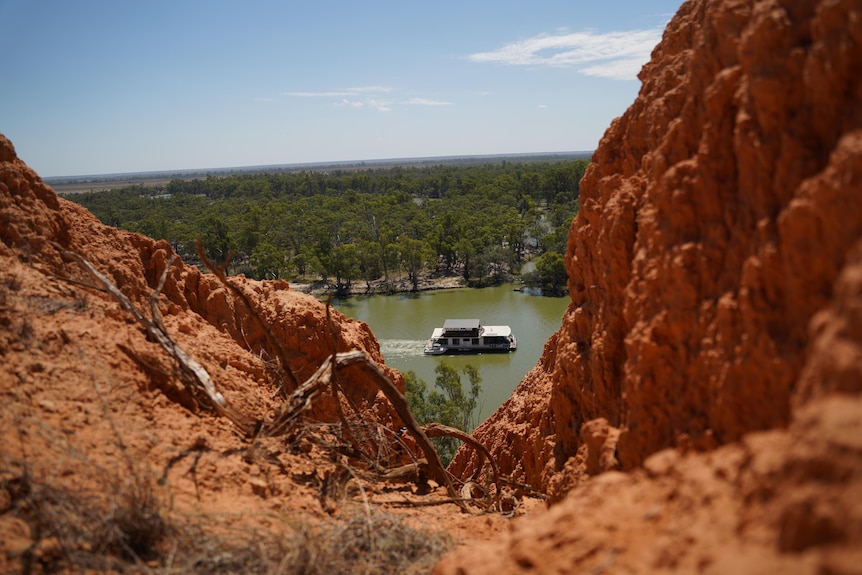
The inspector-general of water compliance said irrigators who do not meet their responsibilities will face the full force of the law. (ABC News: Will Hunter)
Future in community’s hands
The outlook has been designed to plot a future where no changes are made to water arrangements in the Murray-Darling system ahead of the Basin plan review.
Experts said communities across the basin would be better able to manage the future if they prepared for climate change and educated themselves.
“Knowledge is the key,” Flinders University professor of hydrogeology Adrian Werner said.
“Engaging with stakeholders so that the folks who are operating the land, making decisions about irrigation, what to grow and plant and what to do with their futures are aware of the sorts of futures we might be in for under climate change.”
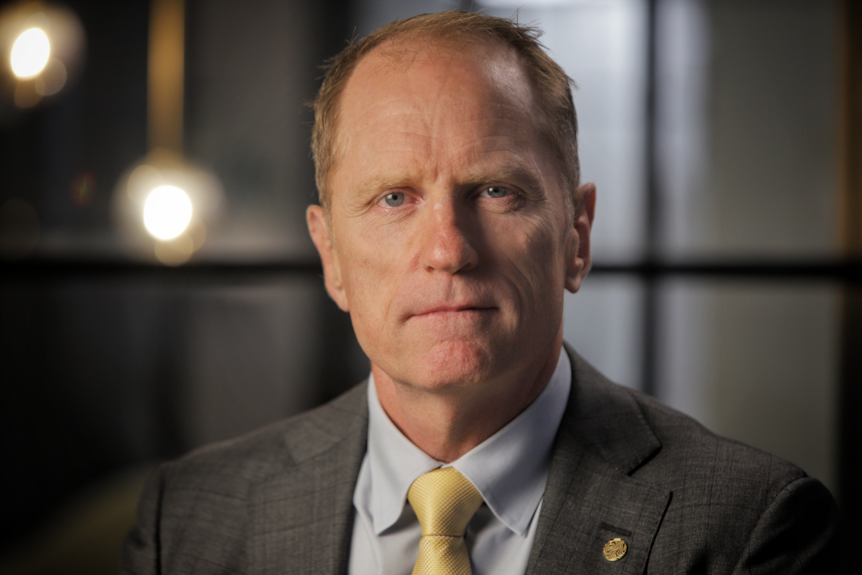
Andrew McConville says it is important that all sectors that rely on the basin prepare for climate change. (ABC News: Chris Gillette)
Andrew McConville, chief executive of the basin authority, said readying for a hotter and more variable future would be imperative.
“We’re seeing incredible responses from the farming communities … with how they are already adjusting to climate change,” he said.
“We’ve seen diversification of crop types, shifts in irrigation patterns, greater use of technology and the use of annual cropping.
“[If we put] in place a range of tools that allow the basin to adapt, that is going to stand us well as the climate continues to change.”