
With warm, humid conditions settling in across the country, Australia’s insect population is once again surging. Entomologists say now is the peak period for bug activity, and one woman’s recent experience on the east coast shows how fast some species can mobilise.
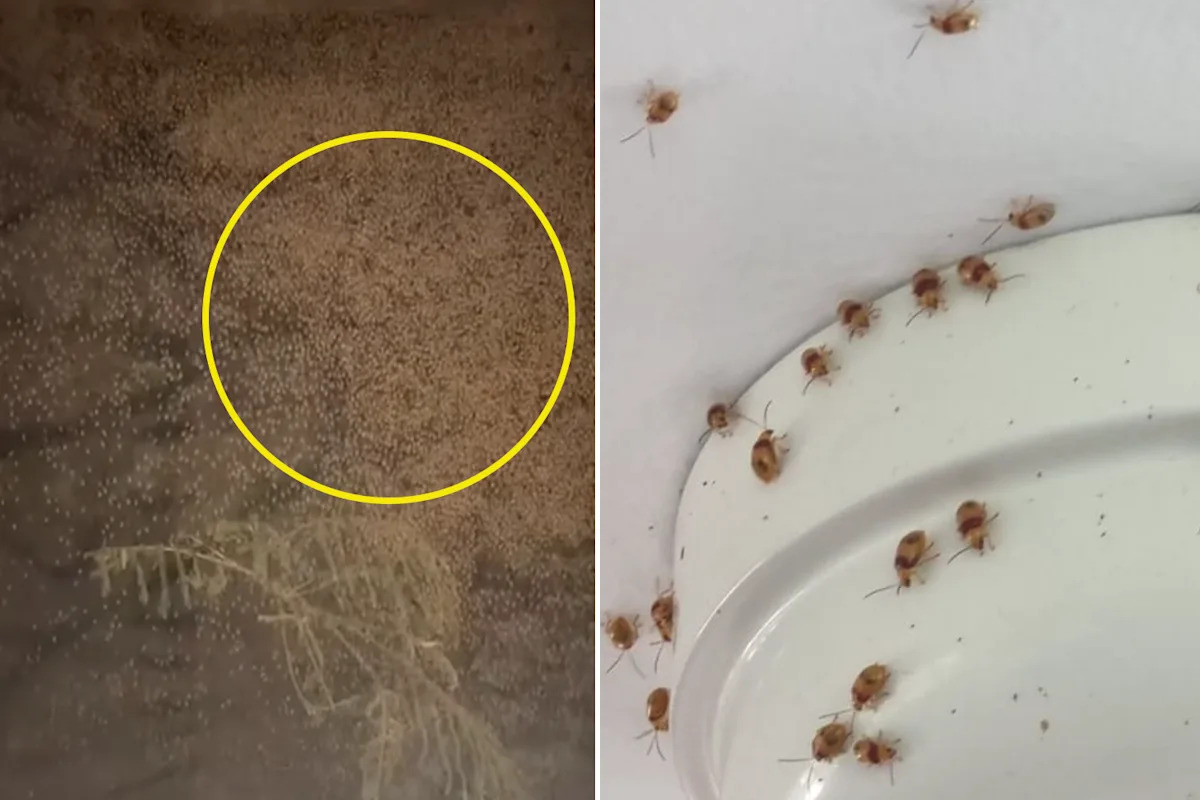
The NSW Northern Rivers resident explained that tens of thousands of mystery insects appeared “out of nowhere” on her property earlier this month, coating her fly screen almost entirely.
Stunning footage showed the woman’s property swarmed under a dense blanket of insects, prompting her to turn to her community for answers about their sudden arrival.
The woman, who did not wish to be named, told Yahoo that a pest control specialist eventually clarified to her that the species in question was the monolepta beetle.
Every few years, she explained, there’s a “major hatching” event. And the bugs, while “annoying”, are harmless to people and are short-lived.
What are monolepta beetles?
Commonly called the red‑shouldered leaf beetle, the species is about 6mm long, with a distinctive yellow‑orange body and a dark red band across the shoulders and red spots on its wing covers.
The species is native to northern and coastal eastern Australia, including northern NSW, although recent reports suggest it is now appearing further south than usual.
The beetles have a life cycle perfectly tuned to summer conditions.
Larvae emerge after rain, pupate in the soil and transform into adults, often en masse, within a matter of weeks.
Once they emerge, adults feed on leaves, flowers and fruit across a wide variety of plants, from paddock crops and pastures to fruit trees, ornamentals, vegetables and native trees alike.
Although they pose little to no threat to people — the beetles do not bite or sting — they are far from harmless when it comes to plant life.
In large numbers, they can skeletonise foliage, strip flowers, and severely damage or defoliate trees and crops in a matter of hours.
For gardeners and orchard‑owners, a monolepta swarm can translate to ruined yields, denuded trees and, in worst‑case scenarios, financial loss for farms or orchards.
Every few years, when soil and weather conditions align, they hatch en masse, take to the air and descend on gardens, trees and crops until their numbers dwindle again.
Worst fly season in 40 years in Western Australia
Meanwhile, over in Western Australia, experts say the state is experiencing one of the worst fly plagues in over four decades.
The outbreak has been sparked by an unusually long, wet winter that created ideal conditions for pests.
Perth and the South West are bracing for the problem to intensify in the coming weeks, as northerly and easterly winds carry billions of flies down from their breeding grounds in the livestock-heavy Mid West.
Love Australia’s weird and wonderful environment? 🐊🦘😳 Get our new newsletter showcasing the week’s best stories.
