
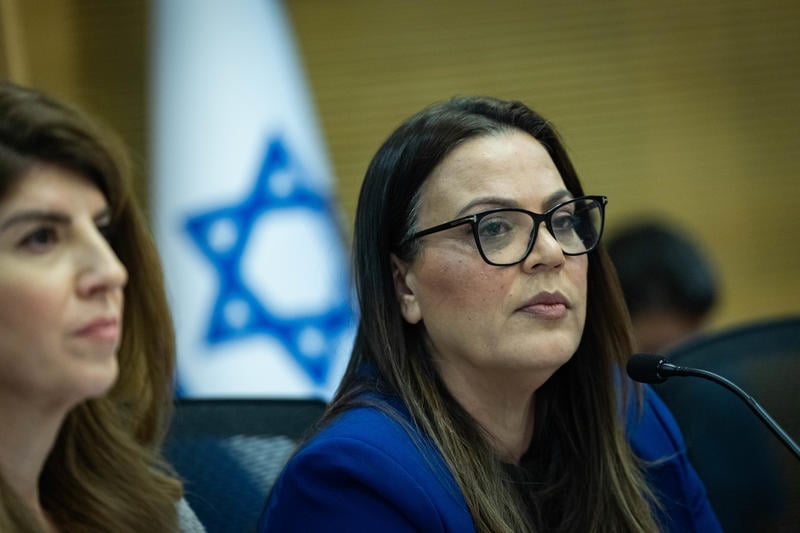
Likud MK Galit Distel Atbaryan on Monday opened the first session of the special Knesset panel formed to advance Communications Minister Shlomo Karhi’s controversial media bill with a blistering attack on the media, despite assurances from the coalition that the legislation is intended to increase freedom of the press.
Distel Atbaryan, who chairs the committee, called the proposed legislation, which will loosen broadcast licensing regulations, “a historic law intended to change the face of communications from end to end.”
She attacked “the media,” which she accused of being “centralized, monopolistic, and frighteningly oppressive.”
“The media does not reflect reality, not even superficially. The media has created a caricature and erased complexity from public discourse in favor of a single, hollow, stupid agenda that is simply ‘anyone but Bibi,’” she continued, using a nickname for Prime Minister Benjamin Netanyahu, who leads Likud.
The opening session saw a heated debate, with the chair ejecting opposition MKs from the forum, including Yesh Atid’s Vladimir Beliak and Debbie Biton, prompting accusations of stifling dissent from other panelists.
Get The Times of Israel’s Daily Edition
by email and never miss our top stories
By signing up, you agree to the terms
Karhi’s proposal would dilute the hold a handful of legacy news outlets have over the mediasphere by doing away with laws limiting broadcast licenses, while increasing competition and consumer choice. At the same time, it would create a government controlled panel with the power to shape content via various pressure tactics, such as fines.
Critics say the reform will stifle free speech and replace it with content driven by corporate or political interests.
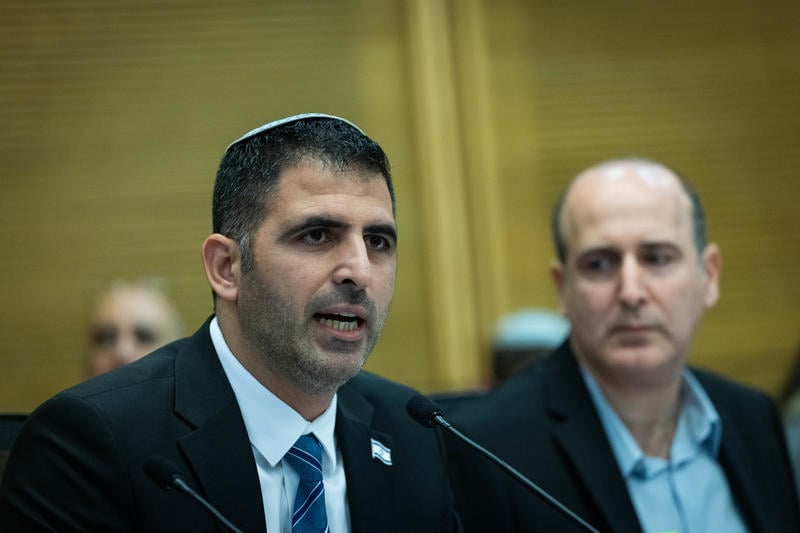
Communications Minister Shlomo Karhi at the Special Committee for the Communications Law at the Knesset, December 8, 2025. (Yonatan Sindel/Flash90)
The proposed legislation has received widespread criticism from opposition figures, good governance organizations, and the attorney general.
The attorney general, opposing the legislation, has advised that it presents “real concern of severe harm to freedom of expression and freedom of the press.”
The bill has already passed one Knesset reading, and it will become law if it passes two more plenum votes.
During the committee session, Karhi reiterated his claim that the legislation will lead to a “free and competitive market, less regulation and fewer barriers, less state intervention, and more freedom for the public.”
“The entire process of establishing this committee — including your selection as chair — represents the height of dictatorship, aimed solely at seizing control of the free communications market,” said Yesh Atid MK Shelly Tal Marom, directly addressing Distel Atbaryan, a vocal opponent of Israeli media who is seen as a Netanyahu loyalist.
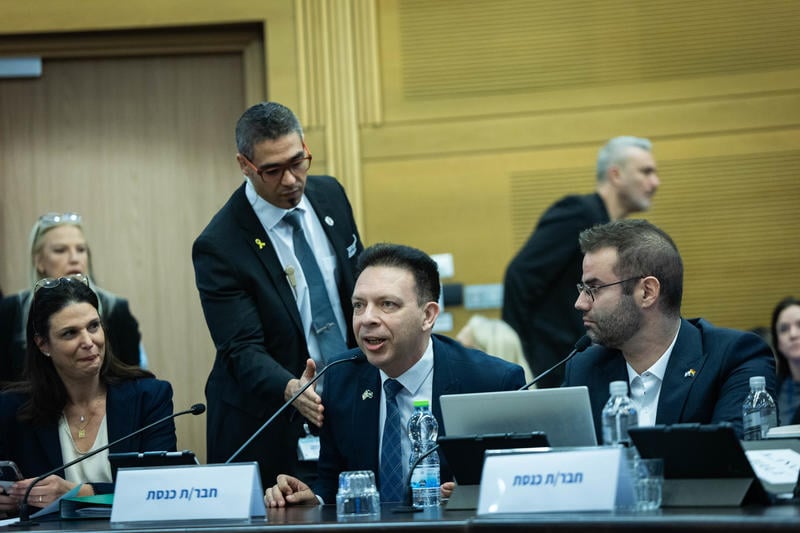
Yesh Atid MK Vladimir Beliak being removed from the Special Committee for the Communications Law at the Knesset, December 8, 2025. (Yonatan Sindel/Flash90)
Under normal Knesset procedures, the bill would be taken up by the Knesset Economics Committee, which usually deals with media-related legislation, before being advanced for a second and third reading in the Knesset.
Instead, however, Karhi requested that a new “media committee” be established to consider the bill.
He is thought to have sought to bypass the Economics Committee due to opposition from its chair, Likud MK David Bitan, who previously blocked Karhi’s bill to shut down the Kan public broadcaster.
Karhi denied trying to bypass Bitan during Monday’s session, saying he invites discussion in the legislative process, but is adamant that the bill not be stopped “by unions, monopolies, or by those who fear the free expression of parts of the public.”
In response, Labor MK Efrat Rayten said, “This entire Knesset has been commandeered for one supposedly sacred purpose: tearing down state institutions as part of an attack on democracy and silencing opposition.”
Yesh Atid MK Karine Elharrar added that “the role of the media is to criticize those in power — and that is what you dislike.”
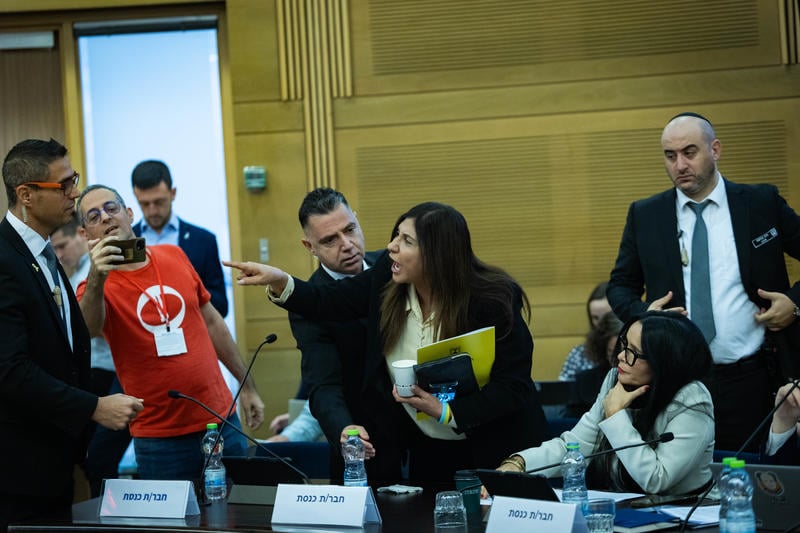
Yesh Atid MK Debbie Biton being removed from the Special Committee for the Communications Law at the Knesset, December 8, 2025. (Yonatan Sindel/Flash90)
In response to criticism from opposition MKs that the legislation is an attempt by the government to suppress media it dislikes, similar to legislative advances in Hungary and Poland, Karhi said that the new authority created by the legislation would not interfere in content.
He added that fines will only apply to issues of competition, not content: “For example, a certain channel that discriminates by selling at one price to one provider and at four times that price to others would receive a fine, but only after being allowed to correct it and refusing to do so.”
An irrelevant bill
During Monday’s hearing, Esther Buchstav, whose son Yagev Buchshtav was kidnapped by Hamas from Kibbutz Nirim on October 7, 2023, assailed the special panel for spending time advancing an “irrelevant” bill instead of establishing a state commission of inquiry into the Hamas attack.
“I see you dealing with a law that isn’t at all relevant to our lives. What’s relevant is to think about how we can heal from October 7, to understand what happened during that day and what has happened since,” she said, speaking before the committee.
“Why were decisions made to abandon hostages in the tunnels? And it’s a fact that this decision was made: My son was abandoned,” Buchstav continued.
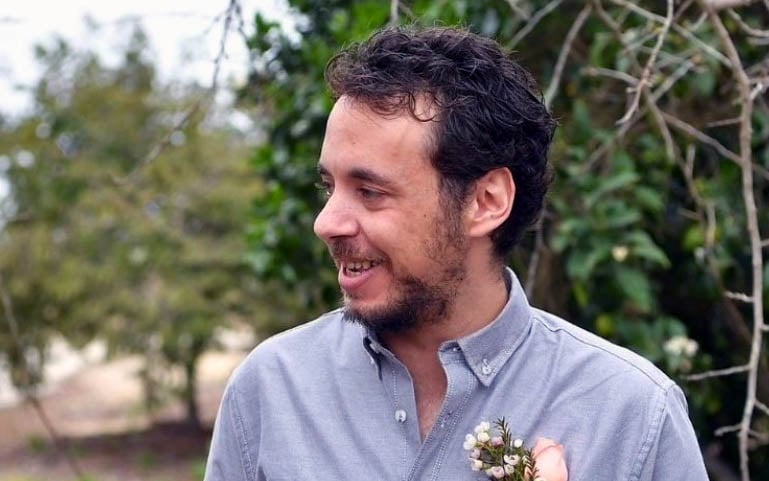
Yagev Buchshtav (Courtesy)
According to Buchstav, the Israel Defense Forces informed the family that her son, 35, was executed in February 2024 by Hamas inside a tunnel, as troops were closing in.
His body was recovered by IDF troops from Khan Younis in August 2024 alongside those of Avraham Munder, Nadav Popplewell, Alex Dancyg, Chaim Peri, and Yoram Metzger, all of whom were kidnapped alive and slain in captivity.
Master Sgt. Ran Gvili remains the last deceased hostage held in Gaza.
Addressing Karhi directly, Buchstav said, “I want you to look me in the eyes. MK Shlomo Karhi, you spoke with me and promised me that you would do everything [to help], and you haven’t.”
“We don’t know what happened on October 7. There still hasn’t been a state commission of inquiry,” she added. “This is what you should be dealing with as members of the Knesset, as members of the government.”
The government decided last month to establish its own probe into the failures surrounding the Hamas invasion and massacre on October 7, 2023, rather than set up an independent state commission of inquiry that is traditionally formed to investigate significant disasters.
Prime Minister Benjamin Netanyahu has insisted that a state commission would be biased and thus lack buy-in from some segments of society, insisting that the government’s probe will be fair and unencumbered. Critics accuse him and others in the government of seeking to avoid blame for the massacre — the single deadliest day for Jews since the Holocaust and the worst disaster in modern Israeli history.