
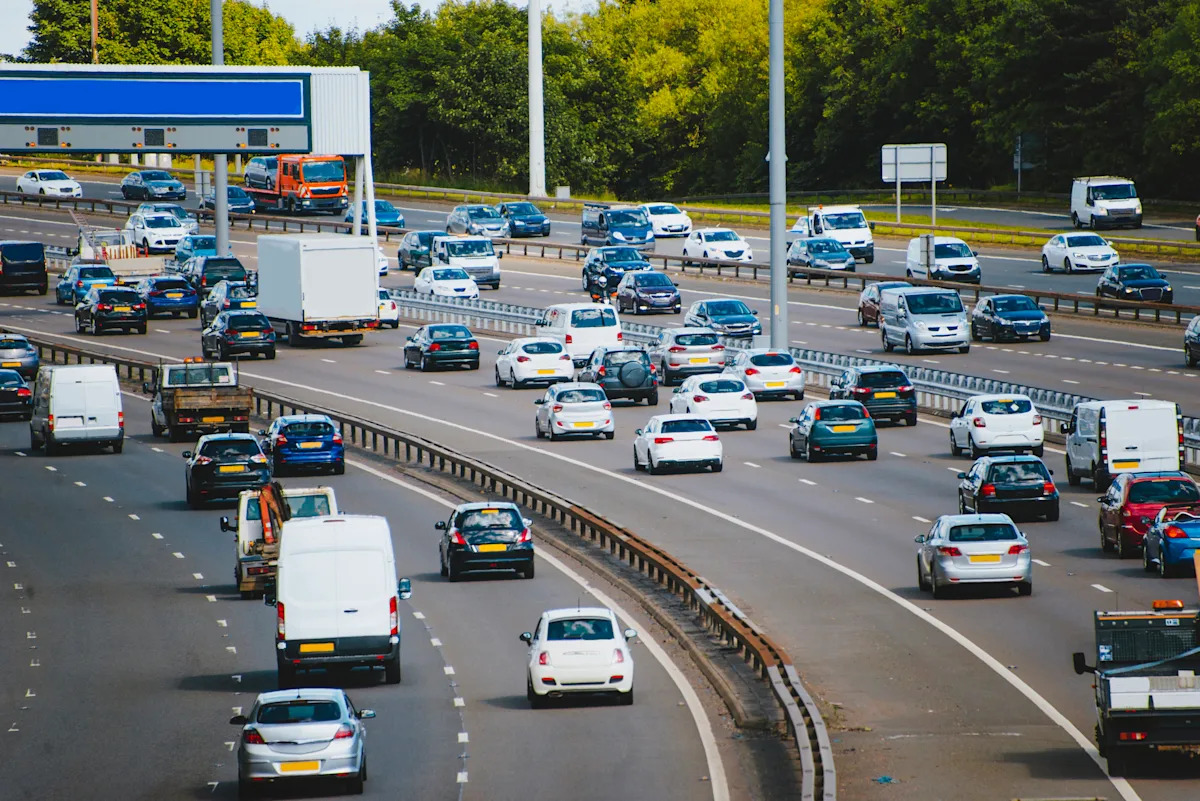
“Widespread abuse” of vehicle number plates is allowing dishonest drivers to avoid road fines and is helping to facilitate drug dealing and organised crime, a new report has warned.
As many as one in 15 vehicles may carry plates designed to evade detection by automatic number plate recognition (ANPR) cameras, researchers found.
The All-Party Parliamentary Group for Transport Safety (APPGTS), which produced the report, calls on the government crackdown on “ghost plates” and “cloned plates”, adding that those who sell them “have gone under the radar for too long”.
The problem has “rapidly ballooned” in recent years, the report said, with an estimated 2 million rogue motorists doctoring plates to evade ULEZ-style cameras in 2023.
It found that many drivers are not aware that their personalised plates are illegally evading cameras, and sometimes manufacturers don’t even know they’re selling these plates.
As well as assisting criminals, ghost plates allow “vulnerabilities that could be exploited by terrorist groups planning vehicle-borne attacks”, National Trading Standards told the inquiry.
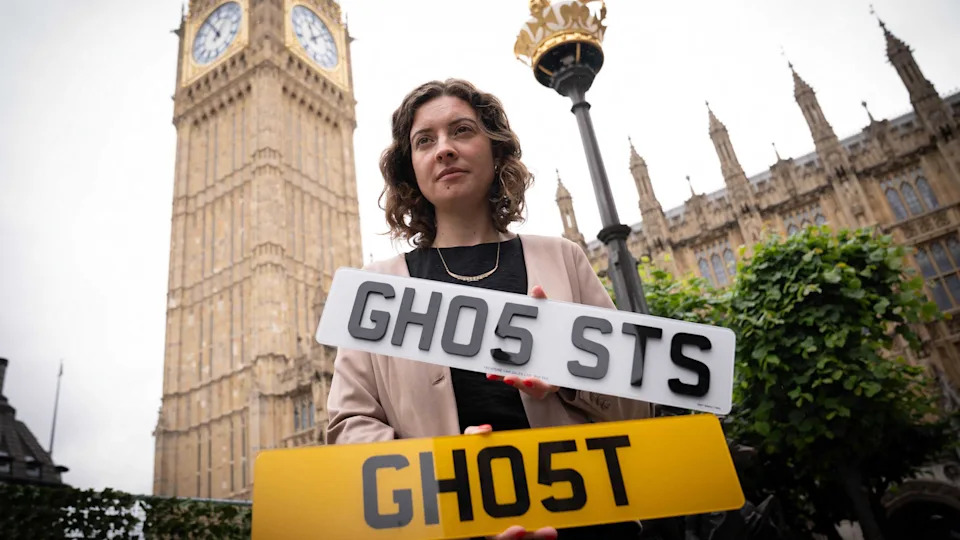
Labour MO Sarah Coombes has been pushing for reform on ghost plates. (Alamy)
Sarah Coombes, APPGTS member and Labour MP for West Bromwich, said the report “makes clear how the whole system is failing”. “It’s totally wrong that people can commit terrible crimes and then set themselves up as number plate sellers with no questions asked,” she said.
What are ghost plates?
Ghost plates, also known as stealth plates, are fake or illegally altered registration plates that are used for avoiding speed and enforcement cameras, and sometimes to engage in crime, the RAC said.
They are designed with “reflective sprays, transparent films, or slight character modifications”, which can “block infrared detection or confuse recognition software”, the roadside assistance company added
Others are made to resemble official DVLA-issued number plates but use a different font, colour, or design.
Earlier this year, the Chartered Trading Standards Institute (CTSI) said these plates are “undermining road safety and allowing dangerous drivers to flout the law with impunity”.
“While it is legal to purchase these plates, it becomes a criminal offence the moment they are used on a vehicle on public roads,” it added.
These are different from cloned plates, which involves copying someone’s registration number and assigning it to another car.
Criminals often choose a vehicle with a “clean history”, such as no tickets or fines, and may replicate a similar make model and colour to make it difficult for police to catch them, according to Autotrader.
Rochdale Trading Standards estimates that Transport for London is losing out on £49.8m in revenue and £898.8m in lost fines per year.
At the Dartford Crossing, they estimate revenue losses amount to £13.4m and £402.4m in lost fines.
How do drivers create them?
The report highlights that rogue drivers “can exploit weaknesses in the ANPR system with ease, buying plates for less than £10 online, with no questions asked”.
Sometimes “nothing more sophisticated than cellophane, leaves or a marker pen” is enough, the group of MPs and peers say.
“Very simple measures, like plastic film, appear reflective to ANPR cameras, which rely on infrared light, and render a plate unreadable,” the group says.
“Raised digits made of gels or plastics can cause ANPR misreads by either appearing see-through to infrared light, or creating shadows that distort images of the plate.
“In ANPR footage, those plates show up as white or yellow rectangles, or have certain characters missing or obscured.”
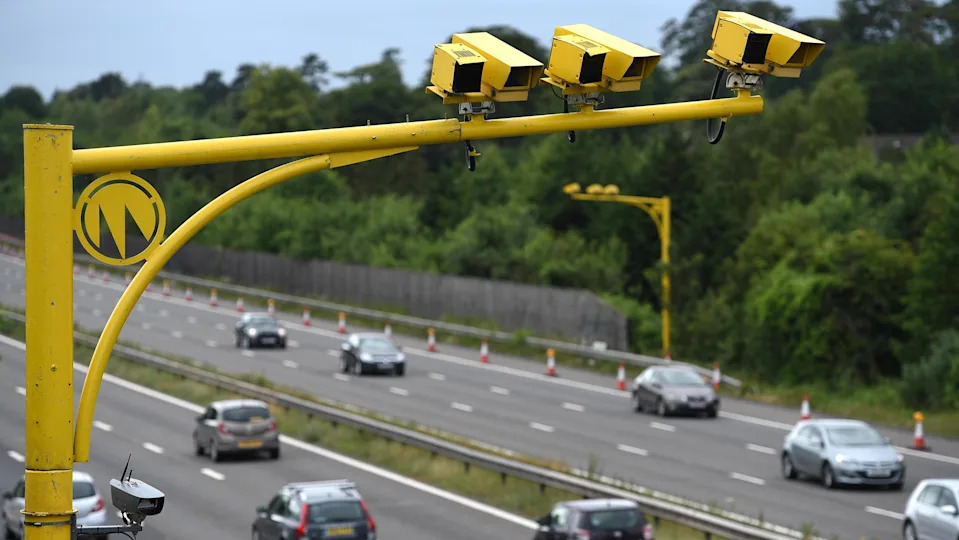
Rogue drivers are exploiting traffic cameras’ weaknesses with ghost plates. (Alamy)
The group is calling for the design of plates to be standardised, which would include banning 3D and 4D versions, which were permitted to “satisfy a growing demand for plate personalisation”.
Its report says these plates comprising raised characters “can be made from a variety of plastics, including those that look black to the naked eye but disappear when viewed through ANPR cameras, sometimes unbeknown to their owners”.
The APPGTS found many sellers of ghost plates were operating from private homes or small workshops, with no background checks.
The report quotes Rochdale Trading Standards, who found a supplier “making plates from the back bedroom of a house”.
“We seized about £70,000 worth of equipment, and they didn’t blink an eye. So we’re thinking: ‘this is out of control’,” the team said.
Some of those handling customers’ identity documents were found to have criminal convictions for violence and fraud, the APPGTS found.
It calls for the number of licensed sellers to “significantly” reduced from its current level of 34,455 by introducing annual fees and higher standards.
What are the fines for using ghost plates?
Many drivers are not aware their personalised plate is cheating ANPR, and around 42% aren’t aware number plate tampering is a criminal offence.
Sometimes manufacturers aren’t even aware – they might just be buying the cheapest plastic they can.
This could help explain why an estimated one in 15 vehicles in the UK may be carrying non-compliant plates, and also means that many drivers don’t realise they are at risk of incurring penalties.
“For drivers who contravene the rules, the benefit is often seen to outweigh the risk,” the APPGTS report says.
“The maximum fine available is £1,000 via a magistrates’ court, but more often drivers are fined just £100 for a non-compliant number plate.”
What are the rules for legal UK number plates?
Number plates in the UK must, be made from a reflective material, display black characters with a white background for the front plate and a yellow background for the rear plate, the government says.
They must not have a background pattern, or be tinted, and must be marked to show who supplied the number plate.
They should also be marked with a British Standard Number (currently BS AU 145e for plates fitted after 1 September 2021) which you can find in the bottom right hand corner of the plate.
Number plates can also display certain flags, symbols and identifiers, which are listed here, and a green flash if you have a zero-emission vehicle.
Despite 3D plates being implicated in the debate on ghost plates, they are not illegal themselves.
Utopia Plates, a manufacturer of custom 3D and 4D number plates, defended itself on its website after news reports emerged of one of their models, which happens to be named “GHOST 4D”.
It says the plates “couldn’t be more different from the plates” described by the media, adding that by “lumping together illegal ghost plates with perfectly legal 3D and 4D plates, these articles risk demonising an entire sector of legitimate businesses”.