
Reporters Without Borders (RSF) said on Tuesday that Israel was responsible for nearly half of all journalists killed this year worldwide, with 29 Palestinian reporters slain by its forces in Gaza.
In its annual report, the Paris-based media freedom group said the total number of journalists killed reached 67 globally this year, slightly up from the 66 killed in 2024.
Israeli forces accounted for 43 percent of the total, making them “the worst enemy of journalists,” RSF said in its report, which documented deaths over 12 months from December 2024.
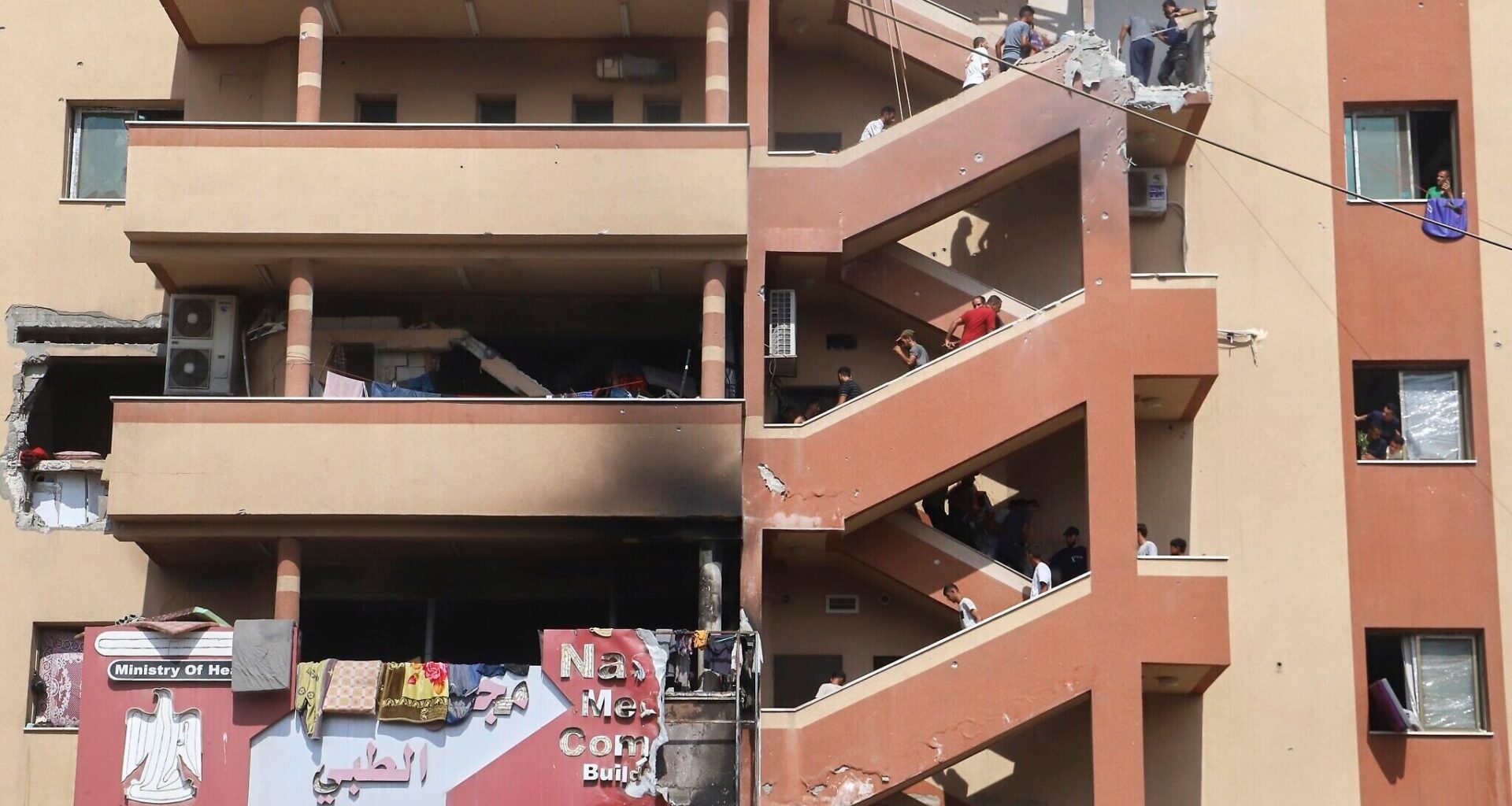
The most deadly single attack, it said, was a so-called “double-tap” strike on a hospital in south Gaza on August 25, which killed five journalists, including two contributors to international news agencies Reuters and the Associated Press. Israel said the strikes on the Nasser hospital targeted a Hamas surveillance camera, but expressed regret for what Prime Minister Benjamin Netanyahu called a “tragic mishap,” and the Israel Defense Forces launched an inquiry into the attack. The incident drew international condemnation; even US President Donald Trump, a key Israeli ally, said he was “not happy.”
In total, since the start of hostilities in Gaza in October 2023 with the Hamas-led slaughter in southern Israel, nearly 220 journalists have died, making Israel the biggest killer of journalists worldwide for three years running, according to RSF data.
Get The Times of Israel’s Daily Edition
by email and never miss our top stories
By signing up, you agree to the terms
Israel has asserted that some of the journalists killed throughout the war were in fact combatants. In some cases, the military has provided documentation seized from terror groups in Gaza that lists the journalists as fighters.
Israel has barred foreign journalists from entering Gaza since the start of the war, giving Palestinian journalists a critical role in covering the conflict.
Hospitals and journalists are supposed to be protected under international law, but hospitals can lose those protections if they are used for military purposes, and journalists can, too, if they are armed or take part in hostilities.
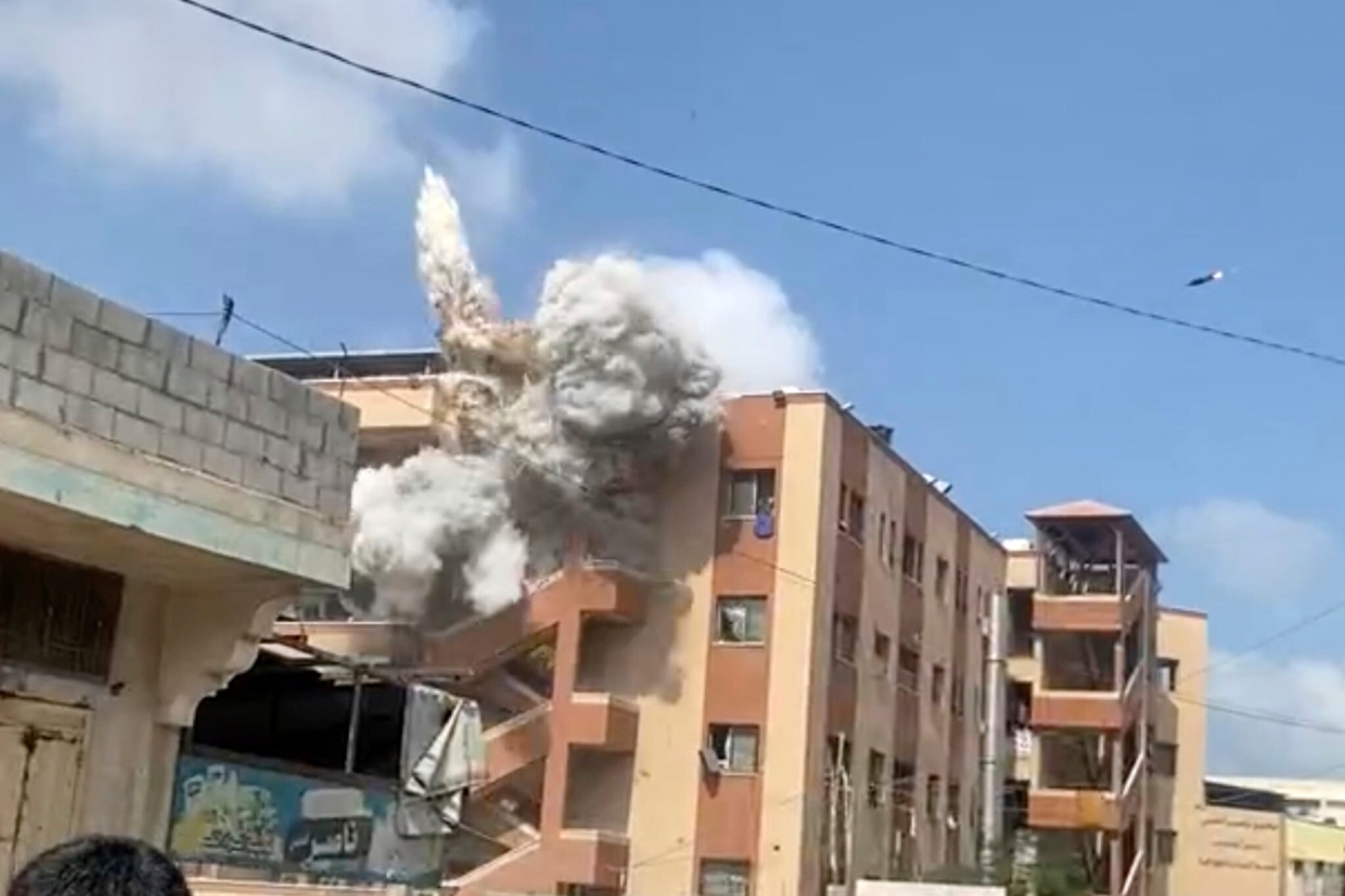
This frame grab from a video shows the second of two projectiles the Israeli army fired in quick succession at a stairwell outside Nasser Hospital, just minutes after an initial round of attacks hit the building in Khan Younis, Gaza Strip, Monday, Aug. 25, 2025. (UGC via AP)
In September, 250 media outlets in over 70 countries staged a front-page protest highlighting what they said were the deaths of scores of journalists in Israel’s war against Hamas in the Gaza Strip. The Foreign Ministry slammed the Reporters Without Borders initiative as an example of anti-Israel bias.
“When 150 media outlets choose in a synchronized manner to stop reporting news, to throw values of the press and plurality of opinions into the trash, and instead publish a uniform, pre-scripted political manifesto against Israel – that tells you how great the bias against Israel is in the global media,” the ministry said at the time.
The war started when thousands of Hamas-led terrorists invaded southern Israel on October 7, 2023, killing some 1,200 people and taking 251 hostages. A US-brokered ceasefire halted the fighting in October this year, though the remains of one slain hostage, police Master Sgt. Ran Gvili, are still in Gaza.
Israel has said it seeks to minimize civilian fatalities and accuses Hamas of using Gaza’s civilians as human shields and embedding itself in civilian infrastructure, including hospitals.
Foreign reporters are still unable to travel to Gaza — unless they are on tightly controlled tours organized by the Israeli military — despite calls from media groups and press freedom organizations for access.
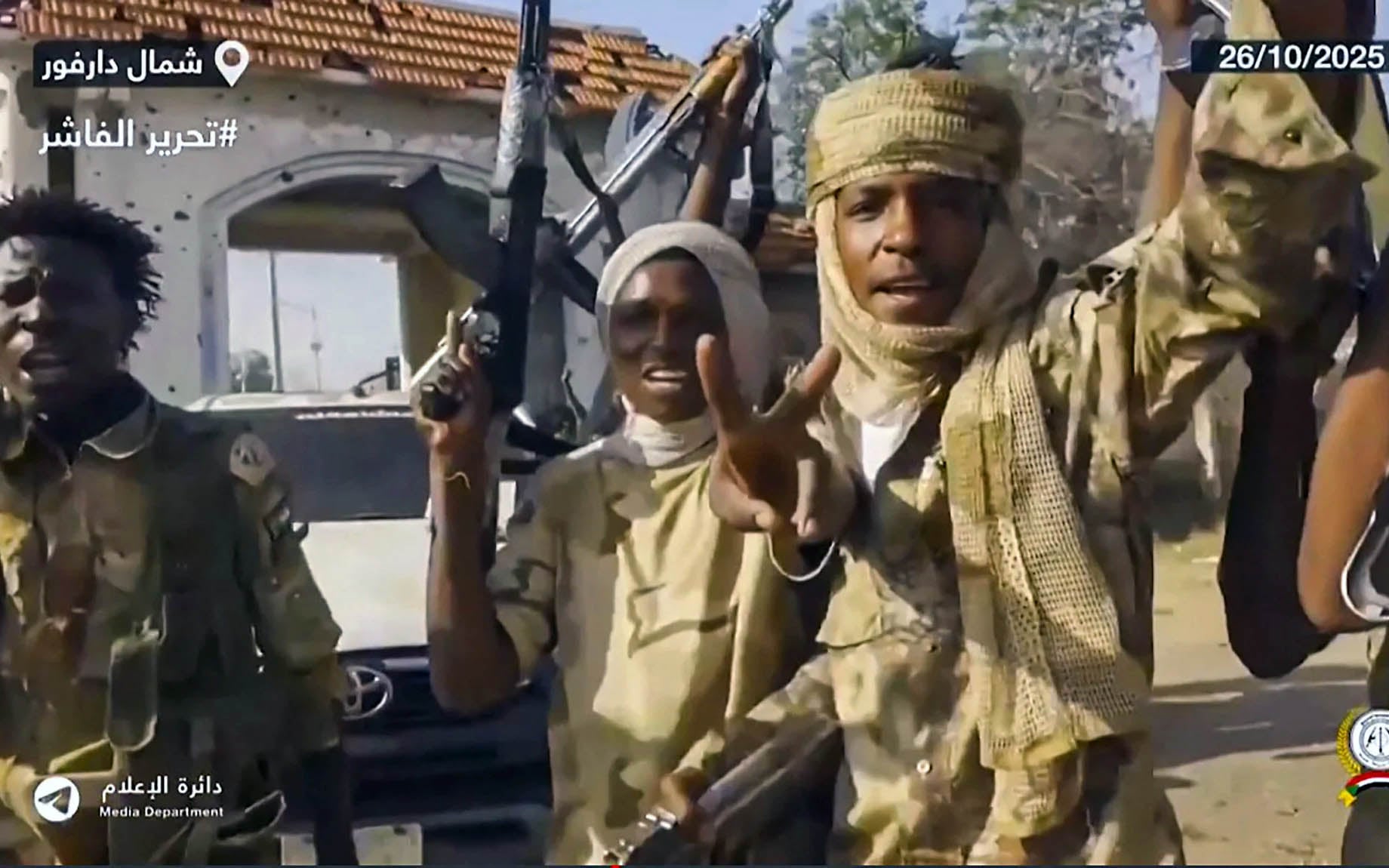
This image grab taken from handout video footage released on Sudan’s paramilitary Rapid Support Forces (RSF) Telegram account on October 26, 2025, shows RSF fighters holding weapons and celebrating in the streets of El-Fasher in Sudan’s Darfur. (RSF) / AFP)
Elsewhere in the RSF annual report, the group said that 2025 was the deadliest year in Mexico in at least three years, with nine journalists killed there, despite pledges from left-wing President Claudia Sheinbaum to help protect them.
War-wracked Ukraine (three journalists killed) and Sudan (four journalists killed) are the other most dangerous countries for reporters in the world, according to RSF.
The overall number of deaths last year is far down from the peak of 142 journalists killed in 2012, linked largely to the Syrian civil war, and is below the average since 2003 of around 80 killed per year.
The RSF annual report also counts the number of journalists imprisoned worldwide for their work, with China (121), Russia (48) and Myanmar (47) the most repressive countries, RSF figures showed.
As of December 1 this year, 503 journalists were detained in 47 countries across the world, the report said.
You appreciate our journalism

You clearly find our careful reporting valuable, in a time when facts are often distorted and news coverage often lacks context.
Your support is essential to continue our work. We want to continue delivering the professional journalism you value, even as the demands on our newsroom have grown dramatically since October 7.
So today, please consider joining our reader support group, The Times of Israel Community. For as little as $6 a month you’ll become our partners while enjoying The Times of Israel AD-FREE, as well as accessing exclusive content available only to Times of Israel Community members.
Thank you,
David Horovitz, Founding Editor of The Times of Israel