
The proposed hike to the luxury home tax is among several items expected to be discussed this morning as Mayor Olivia Chow’s executive committee meets at City H
Ontario Premier Doug Ford says he will not be blocking Toronto from increasing its land transfer tax, despite a letter from the city’s realtors urging him to do so.
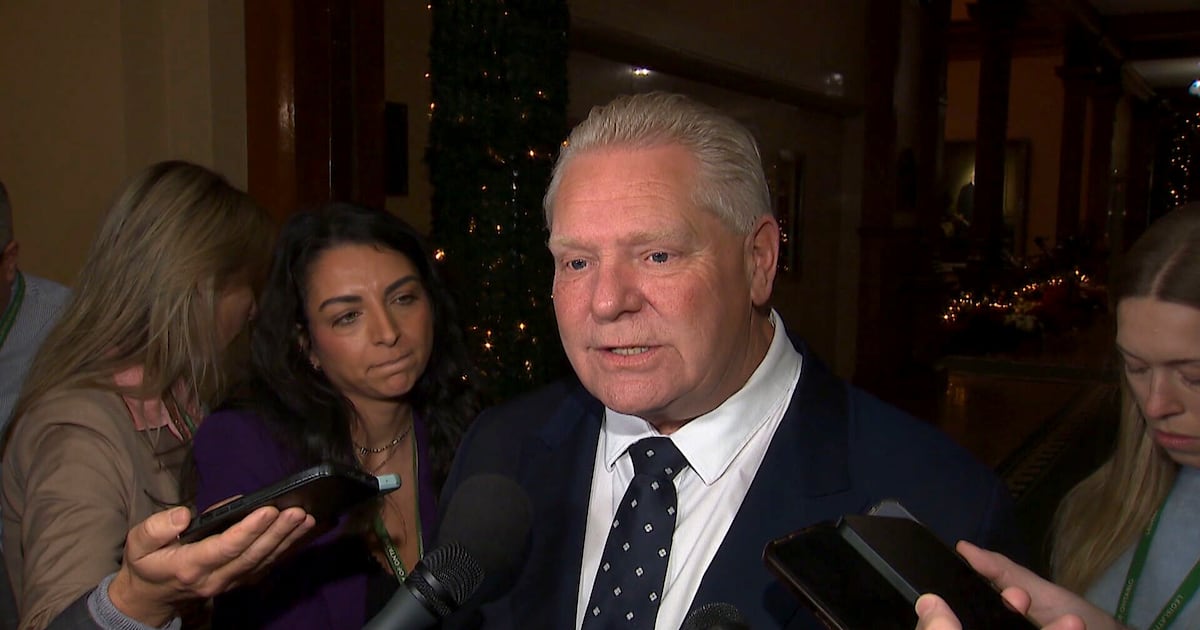
“I totally disagree with the land transfer tax. I will not be stepping in, but you know who will step in? The people, coming up in the election in 2026,” Ford told reporters at Queen’s Park Tuesday, referring to the next planned municipal elections in October.
In Toronto, most homebuyers pay a Municipal Land Transfer Tax (MLTT), in addition to the provincial land transfer tax paid by homebuyers across the province.
Mayor Olivia Chow’s Executive Committee adopted a motion Tuesday to boost the municipal land transfer tax for homes above $3 million, saying it is “asking luxury homebuyers to chip in more” to make life affordable for families in the city.
The average home price across all housing types in Toronto sits at about $1.1 million.
In a letter to Ford Tuesday, the Toronto Regional Real Estate Board (TRREB) asked the premier to intervene to stop the City of Toronto from boosting the tax again.
TREBB noted it would be the third increase in the last eight years and said the hikes “have created a prohibitive barrier to homeownership and hurt Toronto’s housing market.”
Chow introduced the new graduated rate structure in 2023 and it came into effect in 2024.
“On top of some of the highest development charges in Canada, MLTT increases have helped make Toronto one of the most heavily taxed housing markets in North America, with buyers of an average-priced home paying more than $17,000 in Municipal Land Transfer Tax alone,” TRREB said in its letter.
“The proposed 2026 increase will further suppress market mobility and undermine provincial policy objectives to increase supply and support affordability at a critical time for Ontario’s economy and housing market.”
While Ford said Tuesday that he won’t be stepping in, he accused city hall of having a “spending problem.”
“Just a message to anyone running and even the mayor: when you go into an election, raising taxes is not the best thing to do,” Ford said. “Why don’t they lower taxes? They don’t need to continue gouging people, no matter if it’s the development charges or park fees or whatever, they have a spending problem at city hall, and they always have.”
Mayor Olivia Chow defended her plan Tuesday.
“When you can afford a home that’s five, ten, $20 million – I’ve seen the homes, $34 million— you know, you can pay a bit more,” Chow said.
Speaking with CTV Toronto, Coun. Gord Perks also defended the higher tax for $3 million-plus homes.
“Part of the reason why we have to raise taxes is because we’re picking up work that the province of Ontario should be doing,” he said. “They’re not providing housing supports. They’re not investing in our affordable housing.”
But Municipal Affairs and Housing Minister Rob Flack pushed back against that idea at Queen’s Park.
“I think we’ve been very fair to the City of Toronto,” Flack said, noting the province is providing the city with some $1.2 billion in relief through the new deal.
Ford did not say why he won’t block the tax increase this time when he has not shied away from intervening in municipal affairs in the past.
If approved by Toronto City Council, the new rates for municipal land transfer tax would come into effect in April 2026.
With files from CTV News Toronto reporters Natalie Johnson and Siobhan Morris