
Brazil’s National Oceanographic Research Institute (INPO) will begin work on creating a specialised Center for Ocean Renewable Energy. The project will focus on four areas: wave energy conversion, the use of tidal currents, technologies based on ocean thermal energy conversion (OTEC), and offshore green hydrogen production. This was reported by
Agencia Brasil.
INPO Director-General Segen Estefen emphasises the strategic potential of this initiative. “The presence of renewable resources in the ocean and Brazil’s experience in offshore activities are significant advantages. We can turn the ocean into a strategic ally in the energy transition,” he said.
The Centre will develop technologies for industries that are the most difficult to shift to clean energy: oil and gas, metallurgy and cement production. Particular attention is being paid to hydrogen production. This technology addresses a key challenge of wind power – its intermittency. It allows excess energy to be stored in the form of hydrogen, thereby ensuring stability and reliability of energy supply, the institute explained.
Plans also include the development and testing of pilot equipment prototypes. Upon completion of the project, each technology will be provided with a corresponding pilot project for offshore installation, Estefen concluded.
The Brazilian authorities believe that the future of energy lies in the ocean. The country intends to make use of its main advantage: an extensive coastline and expertise in the construction of offshore oil platforms.
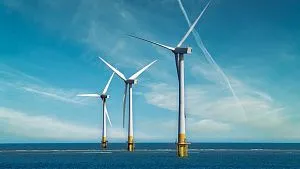
In parallel, offshore wind projects with a total capacity of up to 250 gigawatts are already undergoing licensing in the country. If even 20 per cent of this plan is implemented, Brazil’s electricity grid could receive an additional 50 gigawatts – almost a quarter of the current national capacity.
The new centre is expected to help turn promising but still experimental technologies, such as wave and tidal energy, into real industrial projects.
Photo: Igors Aleksejevs /
iStock