
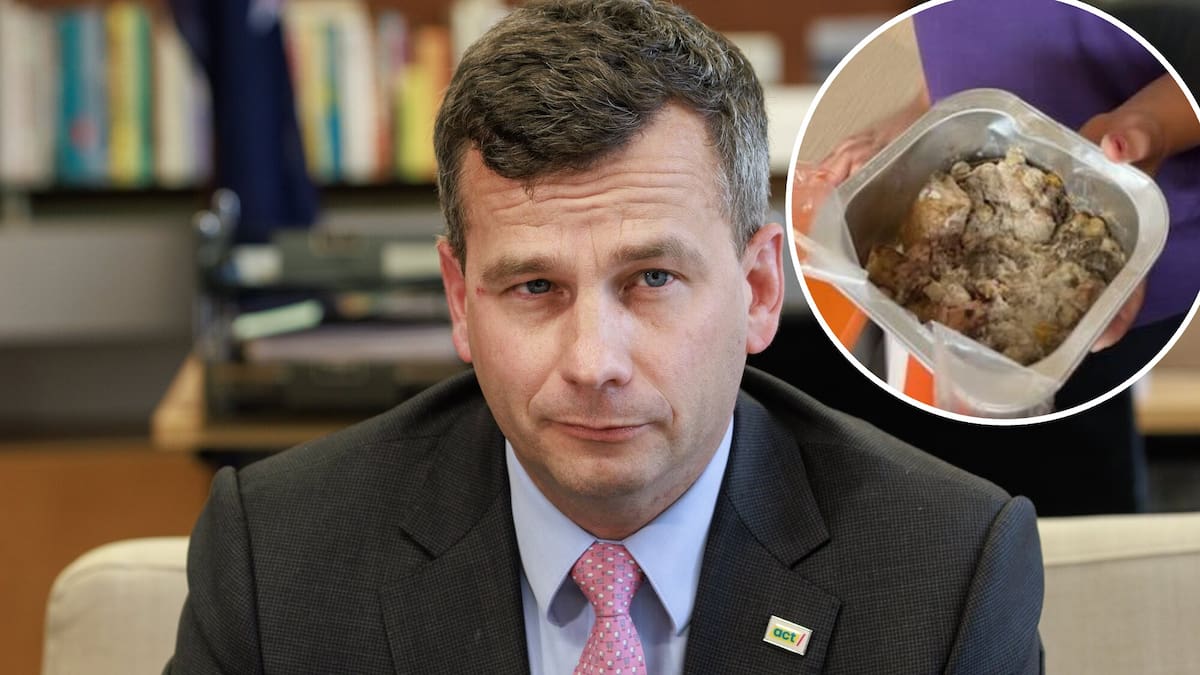
One of the lunches given to students at Haeata Community Campus
He also said he had been told by Food Safety that the school had a policy of leaving school lunches in the cafeteria so students could have extras if they wanted, and the mouldy lunches came from there.
He said the same lunch was served on Thursday, so this seems like the most “plausible” answer.
Seymour said Food Safety NZ had been all over the school and Compass “like a rash” and was confident in the result revealed yesterday.
Haeata Community Campus principal Peggy Burrows did not wish to respond to Seymour’s comments this morning.
She previously told the Herald the findings of the school’s internal investigation were with the board and the school’s lawyers and were due to be released on Friday.
Haeata Community Campus principal Dr Peggy Burrows. Photo / Supplied
Vincent Arbuckle, deputy director-general of New Zealand Food Safety, said an investigation found that the mouldy lunches were not part of a wider food safety issue with the School Lunch Collective.
“We know the issue caused a lot of concern among parents and students at the school, so we considered it important to provide accurate and independent information about the likely cause,” Arbuckle said.
“After carefully examining all the possible causes, we are able to reassure parents that there is not a wider, or ongoing, food safety risk with the School Lunch Collective.
“The most plausible explanation is that lunches intended to be served to students the previous week were accidentally mixed in with that day’s lunches.”
Burrows earlier maintained that none of its “robust” systems failed between Thursday and Monday, when the food was served.
The lunches served at Haeata Community Campus were covered in a thick layer of mould.
Arbuckle said New Zealand Food Safety’s food compliance officers considered the possibility that the error was made by the distributor.
They found it was unlikely that the distributor delivered lunches from the previous week because several other schools received the same lunch on the same day with no reported issues.
Arbuckle said another reason was that the Compass Christchurch Kitchen (Central Production Kitchen) only receives the number of meals required for the following school day because of the minimal capacity of available chillers.
A food poisoning warning was issued last week after several children from Haeata Community Campus ate school lunches covered in thick mould.
The meals, provided as part of the Government’s school lunch programme, were eaten before a teacher intervened.