
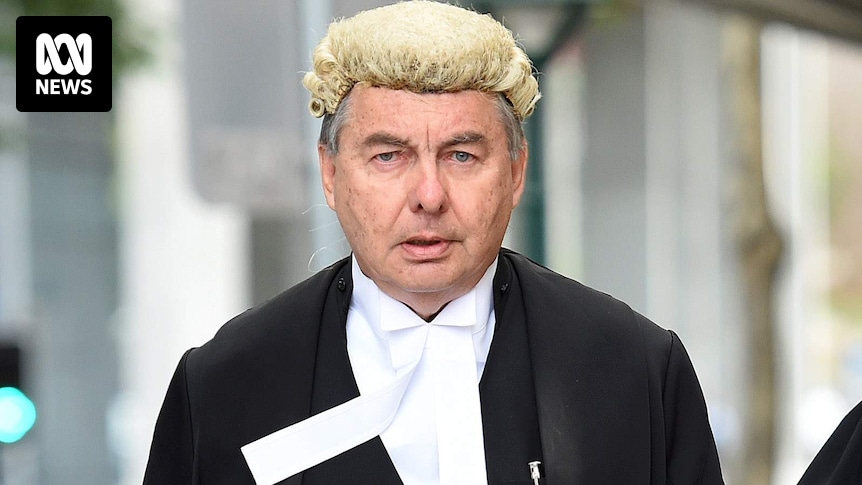
The man who led the inquiry into the criminal prosecution of Bruce Lehrmann has lost his appeal to have serious corruption findings against him overturned.
Former Queensland judge Walter Sofronoff had appealed against the ACT Integrity Commission’s findings that he engaged in “serious corrupt conduct” over his contact with journalists during the inquiry in 2023.
In lodging the appeal, his lawyers argued that while his conduct may have been wrong, it did not amount to corruption.
But lawyers for the commission argued Mr Sofronoff breached his non-disclosure obligations.
‘Serious breach’
The ACT Integrity Commission handed down the findings of its investigation in March this year.
It examined Mr Sofronoff over his contact with journalists during the inquiry into Mr Lehrmann’s prosecution, and his delivery of the final report to two journalists before it was officially released by the ACT government.
He was found to have given confidential material to Janet Albrechtsen of The Australian, and a copy of his final report to her and the ABC’s Elizabeth Byrne before it was officially released.
The Australian published details of the final report on the evening of August 2 2023, after Ms Albrechtsen had notified Mr Sofronoff that she received the report from another source.
The ABC published a story the following afternoon.
The commission found the disclosure of this material “amounted to a serious breach in the probity of Mr Sofronoff’s exercise of his functions”.
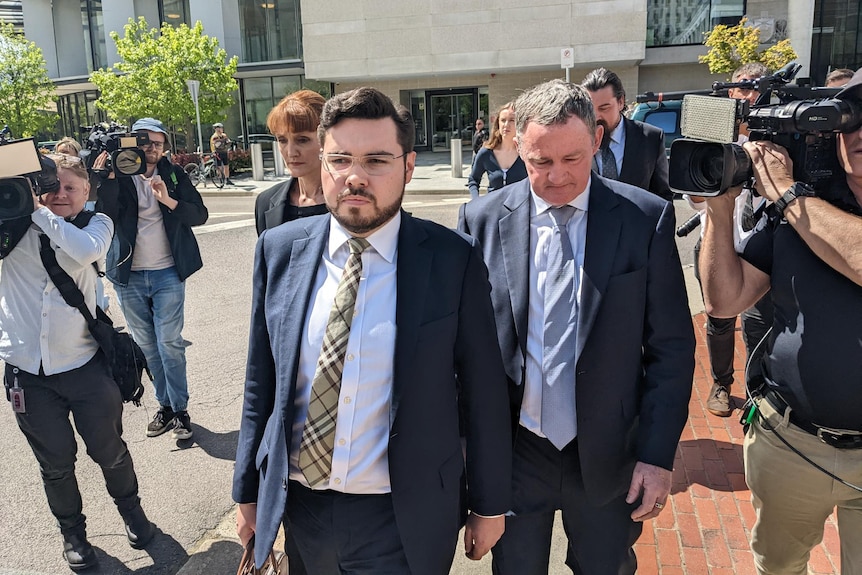
Bruce Lehrmann had been charged with raping Brittany Higgins, but his criminal trial was abandoned, leaving no verdict. (ABC News: Markus Mannheim)
Mr Sofronoff justified providing the report to the two journalists as a way to help them understand its content, and report the findings accurately when they were released.
But the commission rejected this explanation, calling it “fanciful”.
“[It] amounts in reality to no more than giving Ms Albrechtsen and Ms Byrne a ‘standing start’,” the commission said at the time.
The commission found his conduct was also likely to have “threatened public confidence” in the inquiry’s processes, and the judgments made in the final report.
The commission concluded Mr Sofronoff “acted to favour their interests as journalists to the detriment of the countervailing interests of the [inquiry’s] participants and the Chief Minister”.
Sofronoff ‘knew’ material should be kept confidential
ACT Chief Minister Andrew Barr was also critical of Mr Sofronoff when the government officially released the report in the days after the initial media reports.
“He breached his good faith to me,” Mr Barr said.
No findings were made against any other person mentioned in the report, including the two journalists.
Mr Sofronoff then appealed against the findings.
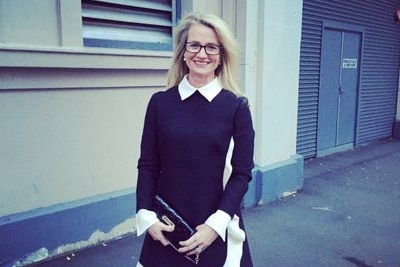
Janet Albrechtsen received dozens of text messages and 51 calls from Walter Sofronoff during the course of the inquiry. (X: @jkalbrechtsen)
In his application to the Federal Court, Mr Sofronoff alleged that a range of findings that he acted dishonestly or in bad faith were legally unreasonable, with no evidence to support them.
But counsel for the commission, Scott Robertson, argued there was ample evidence to support those conclusions.
He pointed to Mr Sofronoff’s communications with Ms Albrechtsen, including a text message in which he provided a witness statement with the note “strictly confidential”.
“Mr Sofronoff knew that this was material that should be kept confidential … consistent with his own suppression order,” Mr Robertson told the court.
Today, the Federal Court dismissed Mr Sofronoff’s appeal application.
Mr Lehrmann’s criminal case in the ACT collapsed in 2022 due to juror misconduct, leaving no findings against him.
As part of a defamation case he launched against Network Ten and journalist Lisa Wilkinson, Mr Lehrmann was found, on the balance of probabilities, to have raped his then-colleague Brittany Higgins in Parliament House in 2019.
An appeal judgment handed down last week upheld that finding.