
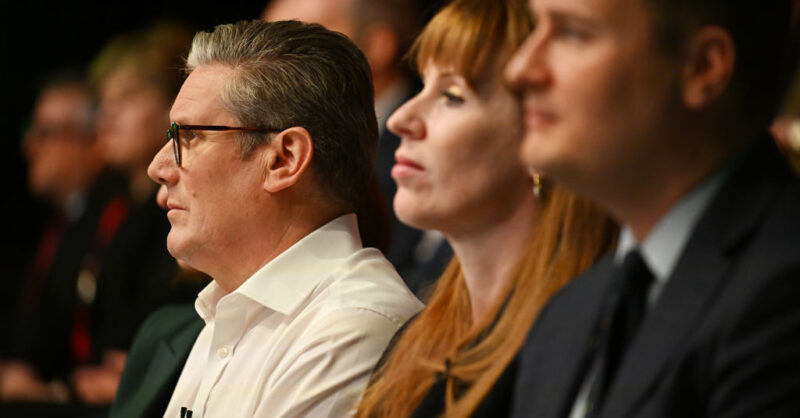
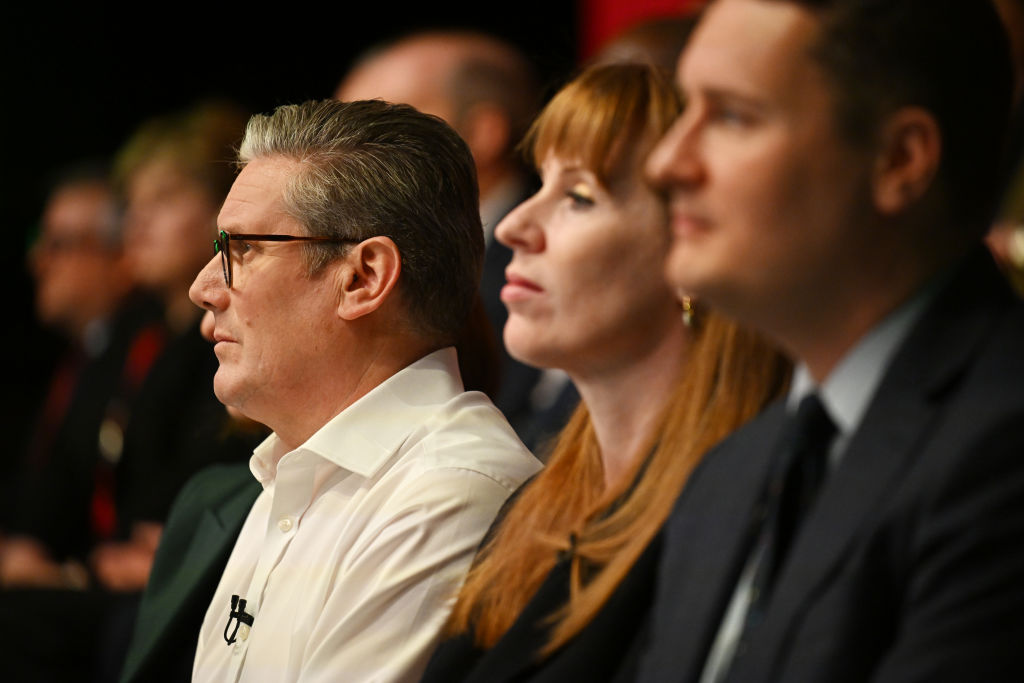
Photo by Leon Neal/Getty Images.
A fortnight after the Budget, Labour MPs agree on two things. The first is that they liked it: reducing child poverty, left and right affirm, is what a Labour government is for (even if some worry about the popularity of the two-child benefit cap among their constituents).
But the second is that it has not changed the fundamentals. “Keir has reached the point of no return, he’s not coming back on the doorstep,” says one MP and former ally, more in sorrow than in anger. A parliamentary party that, in opposition, was trained to value winning above all else is now ruthlessly applying this logic to its own leader (whose approval rating stands at -61).
Next May’s elections are still viewed as the moment of reckoning. Both Starmer loyalists and foes regard Scotland, where Anas Sarwar is seeking to prevent a fifth SNP term, as pivotal: a positive result there would give No 10 something to trumpet; a negative one would leave Westminster bearing the blame for an avoidable defeat.

Treat yourself or a friend this Christmas to a New Statesman subscription for just £2
Close
“I am really open with Keir and the UK shadow cabinet that I want to and need to be going into a 2026 election in the midterm of a popular Labour government, not an unpopular one,” Sarwar told our Scotland editor Chris Deerin back in 2024, but an unpopular one is what he has got.
The assumption across all wings that Starmer will not lead Labour into the next general election means that a previously veiled contest is now playing out in public. Over the past week, Angela Rayner, who I noted back in October could become Labour’s “queen over the water”, has established herself as the soft left’s candidate-in-waiting.
Just three months after her resignation, Starmer has vowed that she will return to the cabinet – a move viewed by MPs as a hasty peace offering – and ministers have accepted her demand for the Employment Rights Bill to be implemented by January 2027 rather than October of that year. Rayner’s next priority, allies say, will be to ensure a promised £250 ground rent cap for leaseholders is delivered, a move supported by her fellow former housing secretary Michael Gove but which the Treasury is resisting.
Some MPs maintain that Rayner would comfortably win any contest with Wes Streeting – with whom she has no intention of forming a pact. But the Health Secretary’s supporters were buoyed by a recent YouGov poll of Labour members giving Streeting an approval rating of 44 per cent, putting him second only to Ed Miliband (Rayner did not feature in the poll).
“The media consensus that the Parliamentary Labour Party and members want a swing to the left isn’t right. They want someone who will beat Farage,” argues one Streeting supporter, noting the poll shows that competence and the ability to beat Reform UK are regarded as the most important qualities. And some soft-left MPs declare – in the words of one senior figure – that they would vote for Streeting through “gritted teeth” if it would stop Nigel Farage entering No 10. These are the calculations that could shape Labour’s future.
This piece first appeared in the Morning Call newsletter; receive it every morning by subscribing on Substack here
[Further reading: Labour is now the least trusted party in Britain]
Content from our partners