
In politics, it is said the primary responsibility of leaders is to keep citizens safe.
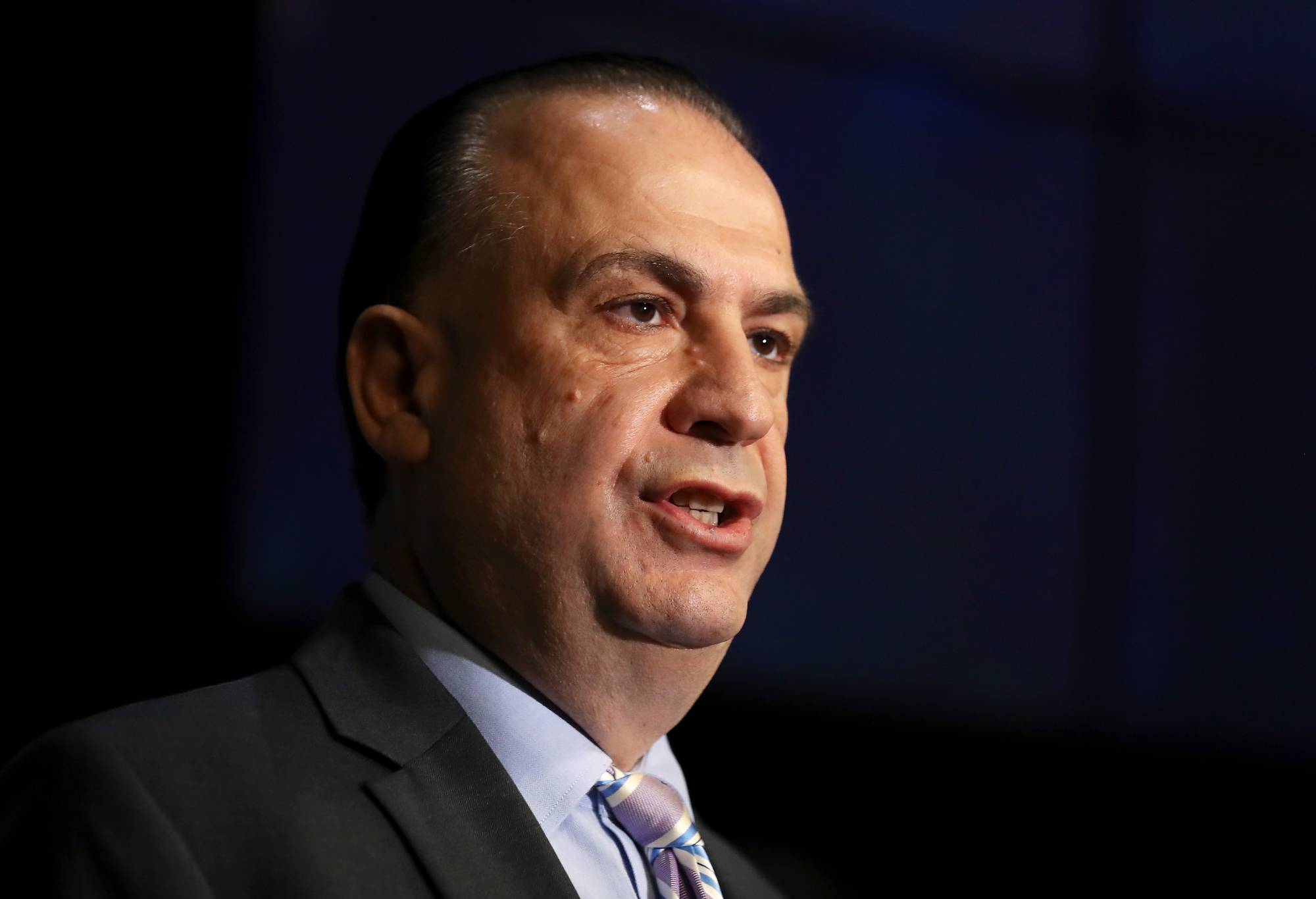
Australian Rugby League Commission chair Peter V’landys is not the prime minister of a nation or premier of a state, but in the world of rugby league, he is the undisputed leader of an organisation that has consistently shunned its responsibility to keep its citizens safe.
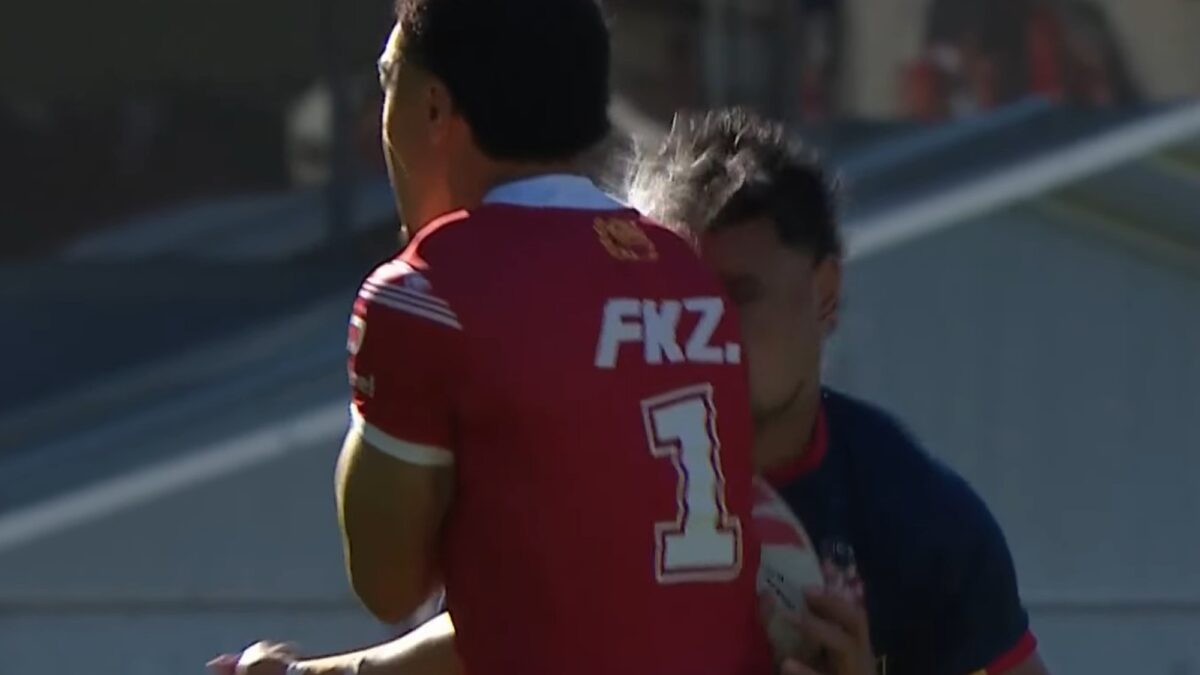
On Tuesday, five weeks after the NRL announced it would conduct an investigation into serious injury suffered by Eli Katoa in a Tonga versus New Zealand match in Auckland; three weeks after they said the investigation was complete and findings would be released after Katoa was released from hospital after suffering bleeding on the brain, the outcome of that investigation was made public.
Well, not quite. Released was a carefully curated statement – omitting the names of the personnel involved, failing to provide detail about what was investigated and the specific chain of events that occurred – the nature of which raises far more questions than were answered.
There are reasons why things have been handled this way. It suits the NRL to have fans believe “Tonga” are responsible for what occurred. That an administrative body from a different country failed to live up to the NRL’s higher standards.
Yet the four individuals said to be involved all work for NRL clubs – Dr Peter Hackney, Dolphins doctor, previously with the Broncos from 2011-2019; Warriors assistant doctor Hoani McFater; newly appointed Cowboys head physiotherapist Jonathan Crawley; and Warriors head physiotherapist Steve Dean.
Dean is said to have been given a formal warning while the other three have been flagged for two-year suspensions from rugby league.
The match was part of a tournament organised by the NRL. The players and staff involved are all employees of NRL clubs. The NRL undertook an investigation.
Forget smokescreens about standards being lower in Pasifika international rugby league – the NRL is the body responsible for facilitating this mess and – if it ever gets serious about addressing head injury – fixing things.
On the surface it appears Katoa has been let down by the personnel referred to in the report, albeit we do not know this for certain because no detail has been provided.
The root cause however, is the culture and standards within the sport allowing for this to happen. If not these doctors in this match, who doubts that the same thing would have not occurred in another match with another set of doctors?
Should the NRL undergo a sudden conversion to transparency, here’s some questions they might like to answer;
(Photo by Mark Kolbe/Getty Images)
Will NRL release full details of the inquiry?
If coach Kristian Woolf has been absolved of any wrongdoing because he did not specifically see the pre-match collision and was lied to by his medical staff as to the extent of the category-one concussion suffered by Katoa, was it established that, just as everyone else in the stadium and watching at home could see, he was at least aware of Katoa laying prone on the ground after his collision?
In that event, why has Woolf not been held responsible for allowing Katoa to return to the field after suffering a second concussion during the first half of the match? Woolf is not a doctor, but to what extent is the head coach held responsible for the welfare of his players?
Or does this finding confirm that the NRL allows coaches to hide behind doctors, even when it is plainly obvious when a player has suffered two head injuries in short succession, and absolve coaches of responsibility for allowing them to retake the field to suffer a third?
What head injury protocols exist for incidents that occur outside of the game itself?
If there are none, in the absence of any such protocols, did Woolf and/or his legal team, take a position that to hold him responsible for what occurred would be unfair, and might ultimately expose deficiencies on the part of the NRL? And if so, did that leverage form part of any negotiation that saw Woolf escape sanction?
Did the four people sanctioned act independently on the day of the incident, or did they conspire to withhold information about the seriousness of Katoa’s initial injury?
Will any of the three banned individuals, in the determination of their sanction, be financially recompensed by the NRL? With respect to their sanctions, are they required to sign confidentiality agreements? And if so, why?
I can imagine no greater shame for a doctor than to be accused of not performing their duty to provide no harm for a patient under their care. When two doctors and two physiotherapists are found to have failed in this duty of care, all at once, is this a remarkable case of four experienced medical professionals simultaneously not being up to the task, or those people instead falling victim to the systemised expectations and behaviours within a sport that sees head injury as something to be skirted around?
This unwritten understanding is perfectly illustrated in a post that was made on X, as the coverage played out live, by Brien Seeney, under the moniker @nrlphysio. Seeney stated how Katoa was “lucky” to be running out for Tonga after copping “brutal fire”, and that that Katoa “must have passed all concussion assessments”.
Eli Katoa lucky to be running out for Tonga today after copping a brutal friendly fire hit during the warm up!
Must have passed all concussion assessments – hopefully no more heavy blows to the head for him today ???? pic.twitter.com/qj8MI8PY9B
— NRL PHYSIO (@nrlphysio) November 2, 2025
In line with how many TV commentators approach the issue, that’s a ‘wink, wink’ acknowledgement that Katoa had snuck through the system to be allowed to play. How “lucky” did that turn out to be?
A medical professional who extensively reports on NRL injuries, Seeney must have been aware how, in suffering a category-one incident, Katoa should have been withdrawn immediately without being subjected to any further head injury assessment.
Seeney provides a valuable service for fans and is well intended.
But his post, the actions of the Tongan high-performance staff, joking comments made about Katoa returning to play during one TV commentary feed during the match, and the absence of genuine, firm direction from the top of the game, all speak to the need, not for more rules and protocols to be got around, but for a significant cultural shift.
There are already calls to beef up protocols to ensure that independent doctors observe warm-ups. But watch what happens during the warm-up – players from both sides conduct drills spread across the pitch. How many doctors would be required to capture all of the action?
And what about training, where the majority of head injuries occur? Data released recently by the NRL Players Association showed that of 500 players surveyed, one third reported not disclosing a concussion suffered during training, and that two thirds had continued to train after suffering after a concussion.
No amount of independent doctors spotting and pulling people players out of training is going to solve that level of wilful, and effectively sanctioned, avoidance.
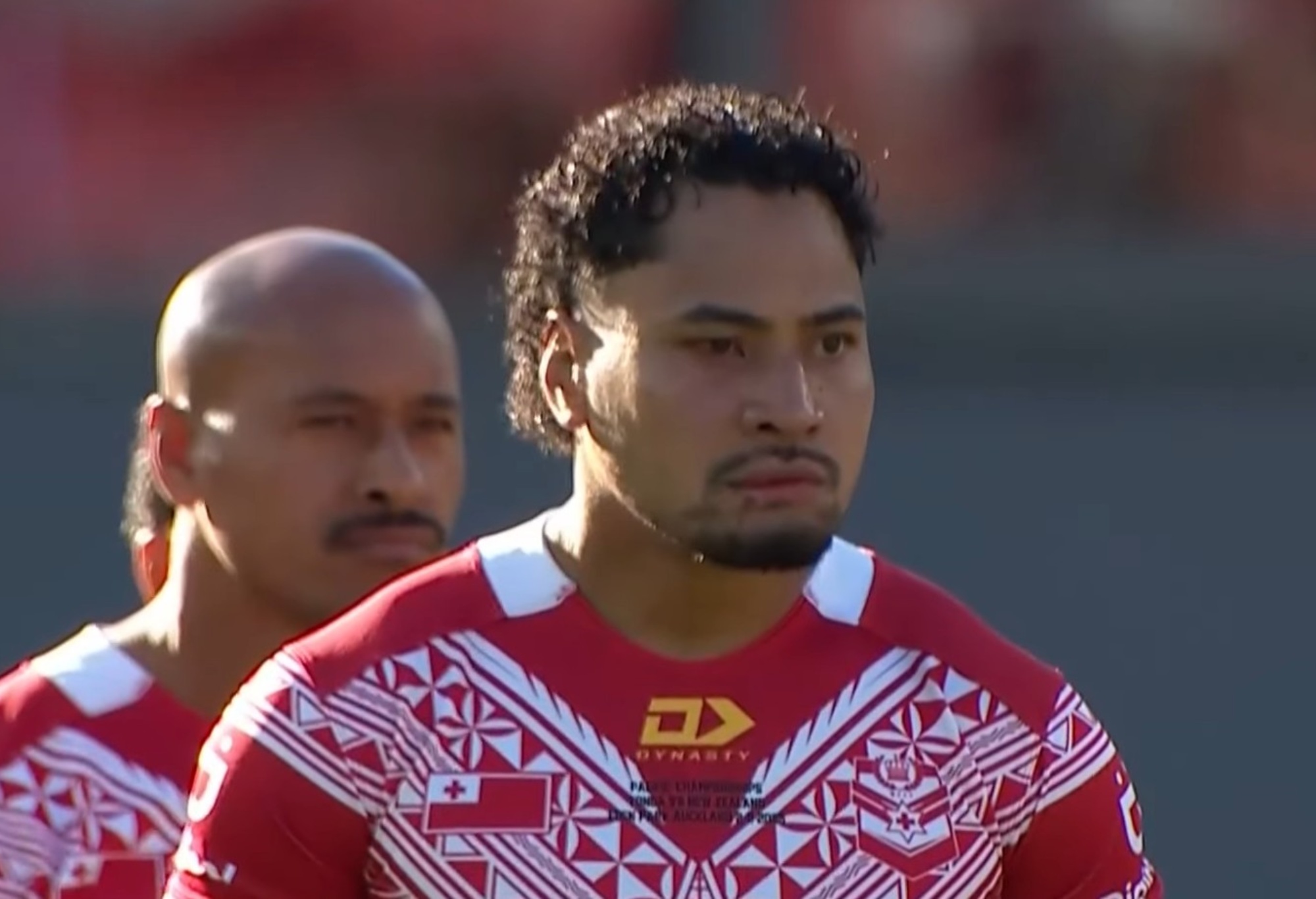
Note also the reaction of Katoa’s family to his plight – typical of many Pasifika families. They are grateful for the opportunity the sport has provided their son and brother to put food on their table; anxious to absolve the NRL and the sport of rugby league of any fault.
This is the same culture prevalent when thousands of fans express their support and empathy for debilitated ex-players like Royce Simmons, Mario Fenech, Steve Mortimer and many others, without stopping to consider why they are like they are.
Can this culture be changed? Of course; but only if the people at the top of the game commit to a concerted approach around educating players, staff, fans and media as to the dangers, and driving necessary attitudinal and behaviour change.
Only then, will it be possible to differentiate between concussions suffered in high-impact one-off collisions, and the scourge that is CTE, which typically presents after an accumulation of many, smaller sub-concussive hits, and provide a comprehensive, multi-faceted plan to address both.
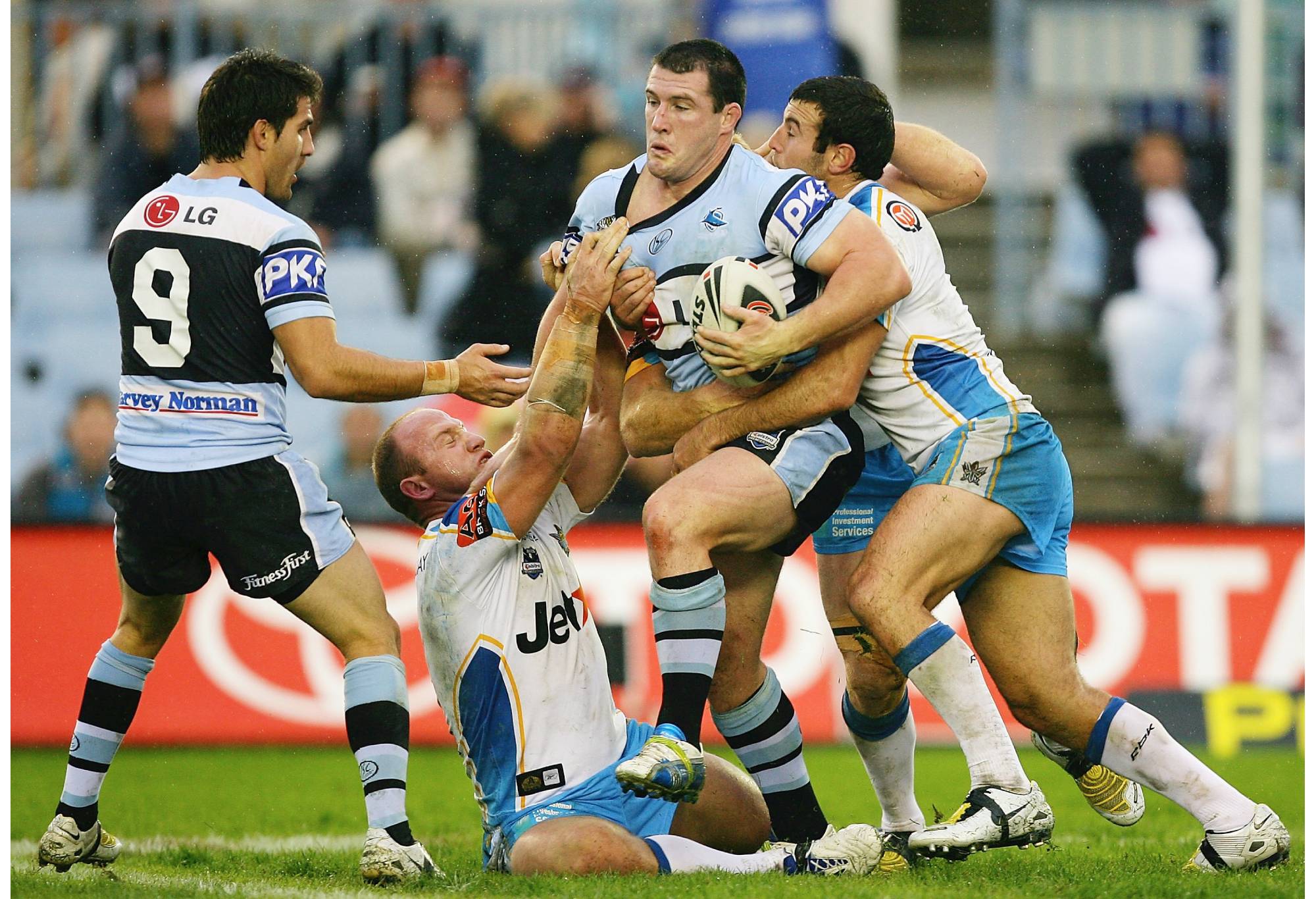
Frustratingly, it has become increasingly obvious that fans are accepting of the need to protect players from debilitating long-term conditions, and are prepared for the game to look seriously at ways in which it can be made safer. When ex-hardmen like Paul Gallen lead the charge for action, you know that the dial has shifted.
Back in 2021 Parramatta and NSW legend Peter Sterling told me that, “we need to make the head a no-go zone” and if rugby league was to flourish in the long term, it needed to work out a way to reward “legs tackles”.
In the time since we have seen tinkering in the form of periodic “crackdowns” by referees, outlawing of shoulder charges, and (flawed) protocols introduced for assessment of head injury; but no summit or genuine attempt to address the issue in its totality.
Expect the NRL to point once again to a million-dollar grant provided to Dr Andrew Gardner into concussion research, as evidence of how seriously it treats the issue. The same Dr Gardner who is co-author of a study which claims there is no direct link between head injury and CTE.
Incredibly, the NRL are not the only body to come out of this sorry saga damned by their incompetence and inability to protect players. Other sorry enablers include the NRL Players Association and the health and safety regulators.
Imagine if Katoa had suffered three repeated head injuries working at a building site or in a factory. The relevant unions would have jumped on the employer and been all over the media demanding action be taken to improve safety.
Paul Gallen. (Photo by Matt King/Getty Images)
Yet, in Katoa’s case, and in the case of other players forced into early retirement due to the effects of multiple concussions, the NRL Players Association has been notable by its silence.
If the players’ own association, set up to represent their own best interests, isn’t prepared to support a seriously injured player like Katoa, in circumstances like this, what actually is its purpose?
Also culpable are the workplace health and safety regulators. Given that the match was played in Auckland, the NRL is based in NSW and Katoa’s club is in Victoria, one might imagine the respective bodies expecting each other to act.
In truth, this isn’t a matter of territory. In 2021 Dr Adrian Cohen, principal of Headsafe, a scientific technology company developing products to help diagnose concussion, wrote to SafeWork NSW expressing his alarm at the high incidence of head injury in the NRL.
Their response stated, “SafeWork NSW has determined that the NRL has appropriate systems, governance provisions and medical oversight arrangements in place to manage the risk of head injuries to players.”
Really? 330 players out of 500 admitting to continuing to train after suffering concussions, and Eli Katoa laying in a hospital bed bleeding from the brain, are evidence to the contrary.
If change is to be made for the better, the biggest obstacle to overcome is the inherent tension and incompatibility between the NRL’s framing and marketing of rugby league as a beautifully brutal, physical sport, full of huge collisions, against its insistence that the game is safe to play.
Are these two positions irreconcilable? Perhaps, or perhaps not. But the NRL will never know, if the best it can do is conveniently scapegoat two doctors and two physios, without genuinely addressing and driving the culture change required to actually make the game safer.
For as long as it continues to obfuscate and tinker around the edges, players like Eli Katoa will continue to suffer.