

Football fans have accused FIFA of a “monumental betrayal” after latest prices for World Cup tickets began to circulate on Friday.
The governing body allocates 8% of tickets to national associations for games involving their team to sell to the most loyal fans.
And a list published by the German football federation revealed prices ranged from US$180-$700 (NZ$309.60-$1204.00) for varying group stage games. The lowest price for the final was US$4185 (NZ$7198.83) and the highest was US$8680 (NZ$14,930.90).
All New Zealand games will be available to watch live and free from home on TVNZ+ and TVNZ1.
Those group-stage prices are very different from FIFA’s claims of US$60 (NZ$103.21) tickets being available, while the target from United States football officials when bidding for the tournament seven years ago was to offer hundreds of thousands of US$21 seats across the opening phase of games.
Fan organisation Football Supporters Europe (FSE) described the current prices as “extortionate”.
“This is a monumental betrayal of the tradition of the World Cup, ignoring the contribution of supporters to the spectacle it is,” it said in a statement.
FIFA said in September that tickets released through its website would initially range from US$60 (NZ$103.21) for group-stage matches to US$6730 (NZ$11,576.81) for the final. But those prices are subject to change as it adopts dynamic pricing for the first time at the World Cup.
FIFA tickets are available in four categories, with the best seats in Category 1.
In the price list published by the German federation, there were only three categories.
The lowest-priced ticket was US$180 (NZ$309.66) for Germany’s opening group game against Curacao in Houston. The lowest price for the semifinal was US$920 (NZ$1582.69) rising to US$1125 (NZ$1935.27).
The FSE called on FIFA to immediately halt ticket sales via national associations “until a solution that respects the tradition, universality, and cultural significance of the World Cup is found”.
The Associated Press approached FIFA for comment.
Latest phase
FIFA launched its third phase of widespread ticket sales Friday, with fans now able to apply for specific matches for the first time through its “Random Selection Draw”.
Following last week’s draw for the 2026 tournament, which will be co-hosted by the United States, Canada and Mexico, an updated schedule has been published.
That means fans know when and where the likes of Lionel Messi and Argentina will play. Previous ticket ballots were blind as the qualification period had not even been completed, and the draw was yet to take place.
Now participating nations have been placed in groups, with their paths through the tournament determined. For instance, Messi and Cristiano Ronaldo could go on to meet in the quarterfinals in Kansas City if both Argentina and Portugal top their respective groups.
Not that fans are guaranteed to get tickets to the games they apply for.
The draw opened December 11 at 11.00 ET (1600 GMT) and closes January 13, 2026.
FIFA says ticket applications can be made at any point during this window and the timing of entry will not impact the chances of success. Fans can apply via FIFA’s website for a maximum of four tickets per household per match and a maximum of 40 tickets throughout the tournament.
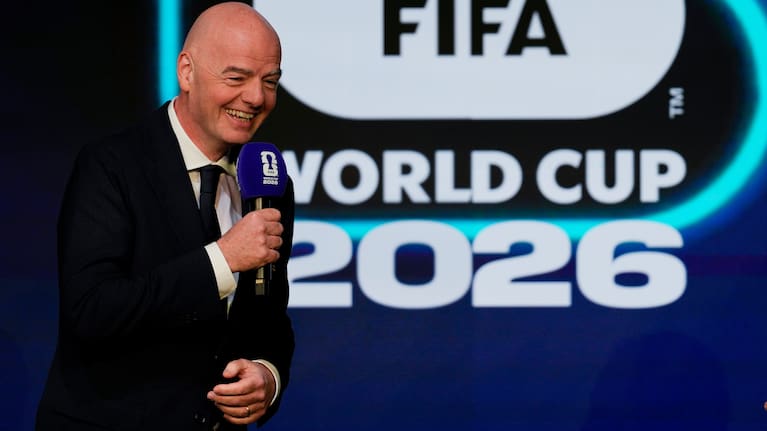
Fans will need a FIFA ID to apply for tickets and can pick which matches and which pricing category they want to apply for.
There are four categories, with the best seats in Category 1, and Category 4 seats somewhere around the top of stadiums.
Successful applicants will be notified by email in February and charged automatically.
Prices
The last time the US hosted the World Cup in 1994 prices ranged from US$25 to US$475. In Qatar in 2022 prices ranged from around US$70 to US$1600 when ticket details were announced.
Tickets for the final at MetLife Stadium on July 19 are already going for in excess of US$11,000 (NZ$18,924.18) on secondary resale sites.
For this tournament, FIFA has also set up its own resale platform where it charges a 15% fee based on the total resale price.
FIFA said that closer to the tournament, any remaining tickets will go on general sale on a first-come, first-served basis.
It did not reveal a time frame for the release of those remaining tickets.
What does it mean for the All Whites?

The All Whites open their World Cup against Iran on June 16 (NZT), followed by their clash with Egypt on June 22, closing the group stage against Belgium on June 27.
Tickets for the games against Iran and Egypt ranged from US$140 (NZ$241.01) to US$450 (NZ$774.68), according to the World Cup ticketing site.
Tickets for the All Whites clash with Belgium were even more expensive, ranging from US$180 (NZ$309.80) to US$500 (NZ$860.43)
On its website, New Zealand football said it had opened a short additional registration window, giving fans a chance to get an access code for tickets.
It means fans who register may be considered for a New Zealand Football-allocated Access Code.
“This is the only code that enables supporters to submit an Expression of Interest for All Whites matches on the FIFA ticket portal when sales open,” the website read.
“Registration does not guarantee an Access Code or tickets. Access Codes are limited and allocated through NZF’s established process.”
The window closes on December 14.
NZ Football said it would receive set ticket allocation for the New Zealand fan section for its group stage games against Belgium, Egypt, and Iran.
It would be running a ballot system to ensure “fair and transparent process for all”.
“This will give all our fans an equal chance to access and purchase tickets.”
The organisation would keep fans updated with all things tickets on its website.
All New Zealand games will be available to watch live and free from home on TVNZ+ and TVNZ1.
– Additional reporting by 1News.
The morning’s headlines in 90 seconds, including why the brains behind AI have picked up a major accolade, a huge drug bust seizes 2 tonnes of cocaine, and the days to avoid travelling this holiday season. (Source: 1News)