
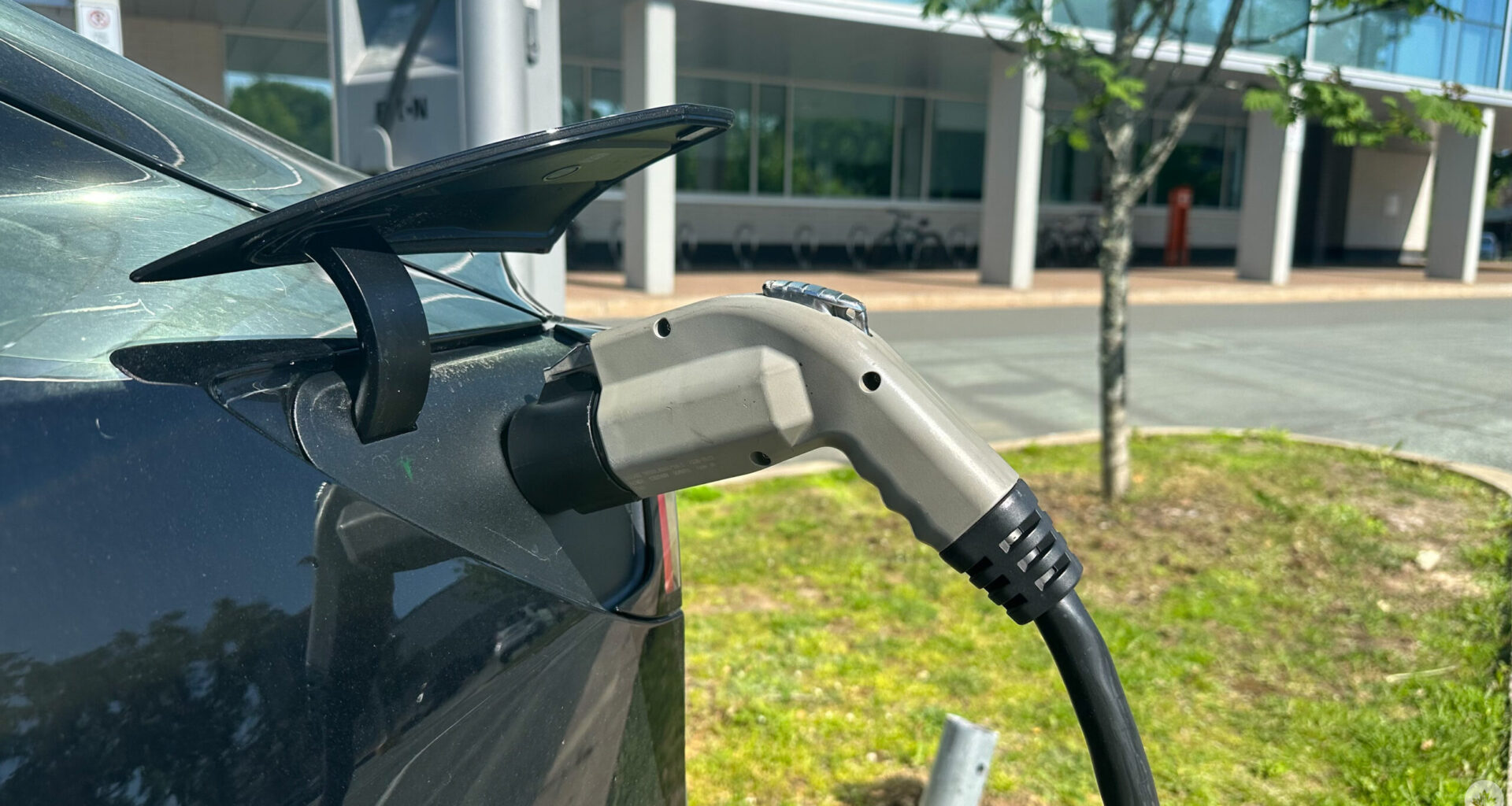
SWTCH Energy, an electric vehicle (EV) charging provider for both multi-family and commercial properties, has announced the launch of a new Home Charging Program.
According to a press release, the program offers single-family homeowners in Canada a free Level 2 EV charger and the opportunity to earn cash back for every kilowatt-hour (kWh) they use to charge their EV at home. Participants will earn 3 cents per kWh used while charging at home, with potential yearly benefits ranging from $100 to 150 for the average driver.
To participate, homeowners can sign up and order a free Level 2 Home EV Charger via the SWTCH Home Charging Program store and have it installed at their home. It’s worth noting SWTCH charges a $300 deposit for the free charger, which it promises to refund once people record 1,500kWh of usage, which the company estimates will take three to five months for the average driver.
Once installed, people can use the associated Home Charging Program app to connect the charger to Wi-Fi and start earning cash back. SWTCH says once an account accumulates $100 in cashback, users will receive it via direct deposit to their bank account.
Developed in partnership with Plug’n Drive, the company states that the new Home Charging Program takes advantage of the Canadian government’s Clean Fuels Regulation Carbon Credit program to give homeowners an incentive to install clean fuel alternatives. Plug’n Drive is a not-for-profit organization that aims to speed up the adoption of electric vehicles in Canada, with the goal of helping Canada hit the 100% electric vehicle sales mark by 2035 or earlier.
A SWTCH FAQ page notes that the carbon credit program funds the free EV chargers and the payouts to drivers.
Additionally, SWTCH states that the chargers used in the program are eligible for various utility incentives (including BC Hydro, Roulez Vert), which the company says can help reduce the cost for a licensed electrician to install the charger.
This expansion comes at a bit of an uncertain time for the Canadian EV market, as the Canadian government ended the Incentives for Zero-Emission Vehicles (iZEV) back in October, alongside auto manufacturer Honda postponing a $15 billion EV project that was set to take place within Ontario.
MobileSyrup may earn a commission from purchases made via our links, which helps fund the journalism we provide free on our website. These links do not influence our editorial content. Support us here.