
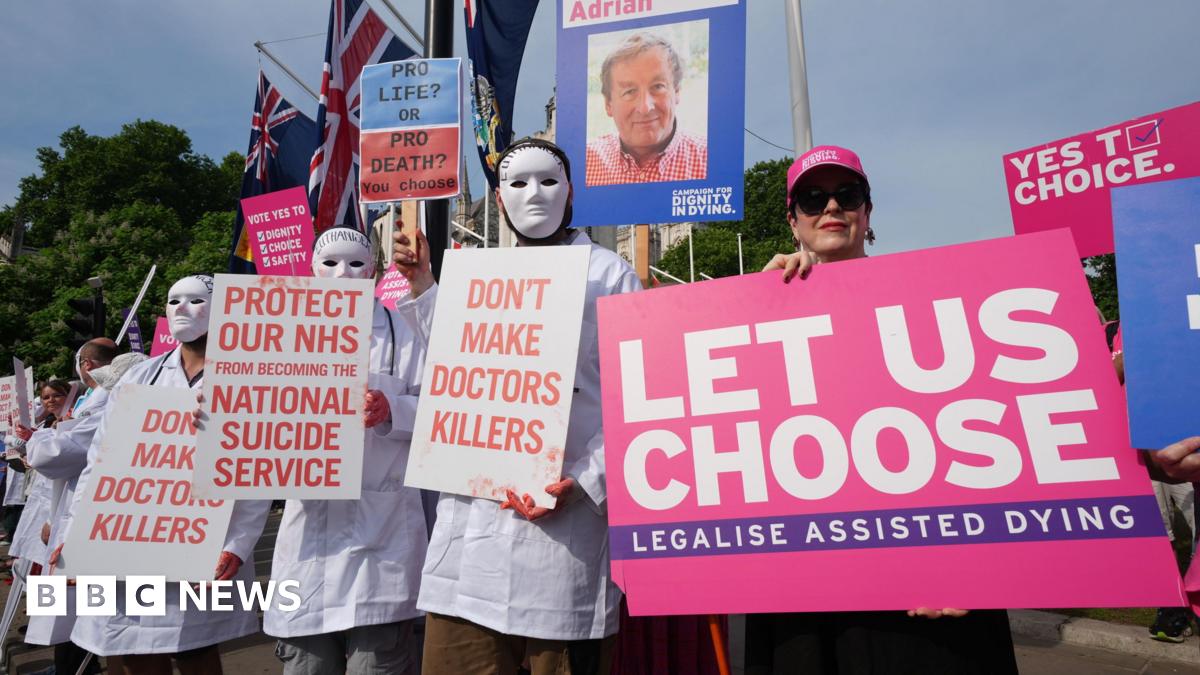
Members of the House of Lords have proposed more than 1,000 changes to the bill – known as amendments – which experts believe is a record number for a bill proposed by a backbench MP.
Supporters of assisted dying have raised concerns that the number of amendments, as well as the slow progress debating them, is a delaying tactic by opponents aimed at blocking the bill from becoming law.
They argue it would be undemocratic for unelected peers to frustrate a bill which has already been approved by elected MPs.
Leadbeater, the MP behind the bill, told the BBC she welcomes scrutiny by the Lords but claimed many of these amendments are unnecessary and even “cruel”.
She pointed to examples such as proposals that someone seeking an assisted death should not have left the country within the last 12 months and that any assisted death should be filmed.
Opponents insist they are not obstructing the bill but say significant changes are needed to make it safe and ensure vulnerable people are protected.
Independent crossbench peer and former Paralympian Baroness Tanni Grey-Thompson told the BBC the bill was “badly written” and had significant gaps, with many of the amendments aimed at preventing coercion.
She pointed out MPs had also put forward large numbers of amendments and peers were simply doing their job by scrutinising the legislation.