
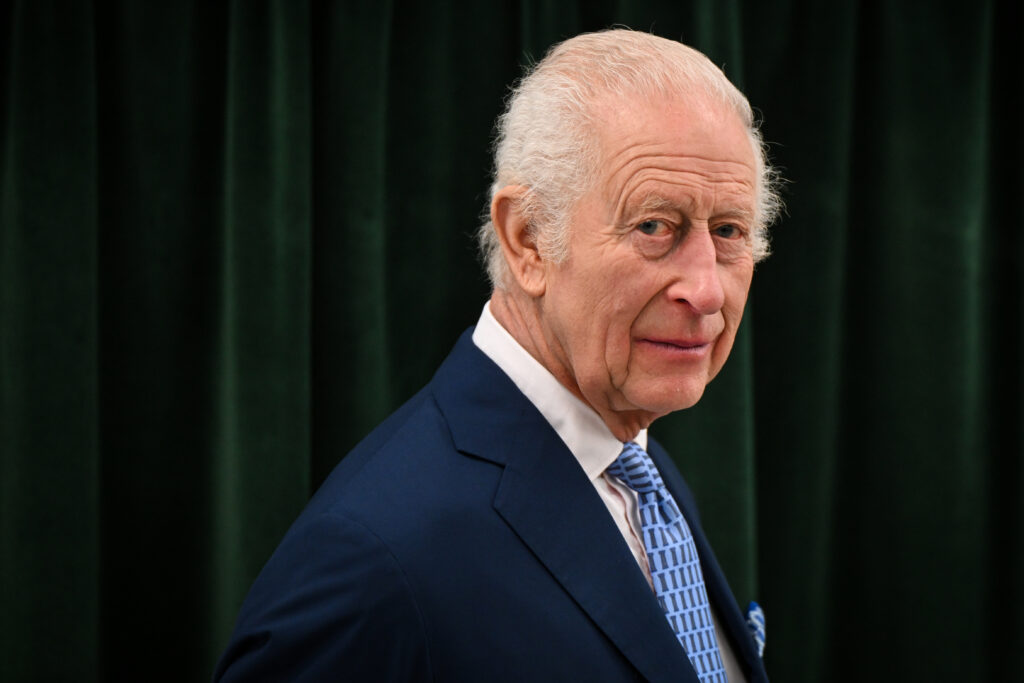
When Buckingham Palace first revealed that King Charles had been
diagnosed with cancer, the announcement was deliberately brief. It
confirmed the diagnosis, outlined that he would step back from
public-facing duties, and stressed that the prognosis was positive.
One detail, however, was noticeably absent – the type of cancer he
is battling.
Still to this day,
with the news that His Majesty’s recovery is progressing well,
we are none-the-wiser as to the specific details of The King’s
illness.
It is not an oversight, but a deliberate strategy with
significant purpose.
According to a Buckingham Palace spokesperson: “The advice
from cancer experts is that, in his determination to support the
whole cancer community, it is preferable that His Majesty does not
address his own specific condition but rather speaks to those
affected by all forms of the disease.”
King Charles III Doesn’t Want the
Spotlight on Himself
The Palace’s reasoning speaks to something quietly poignant: the
King does not want his personal struggle to eclipse the millions of
others who are navigating their own. He recognises that once his
specific cancer becomes public knowledge, the national conversation
inevitably narrows. Headlines sharpen. Comparisons begin. Public
attention shifts from cancer to Charles’s
cancer.
For a monarch who has spent his life championing causes rather
than himself, the choice is consistent. By withholding the
specifics, King Charles hopes the focus stays on the wider cancer
experience – not on the particulars of a single patient, however
prominent.
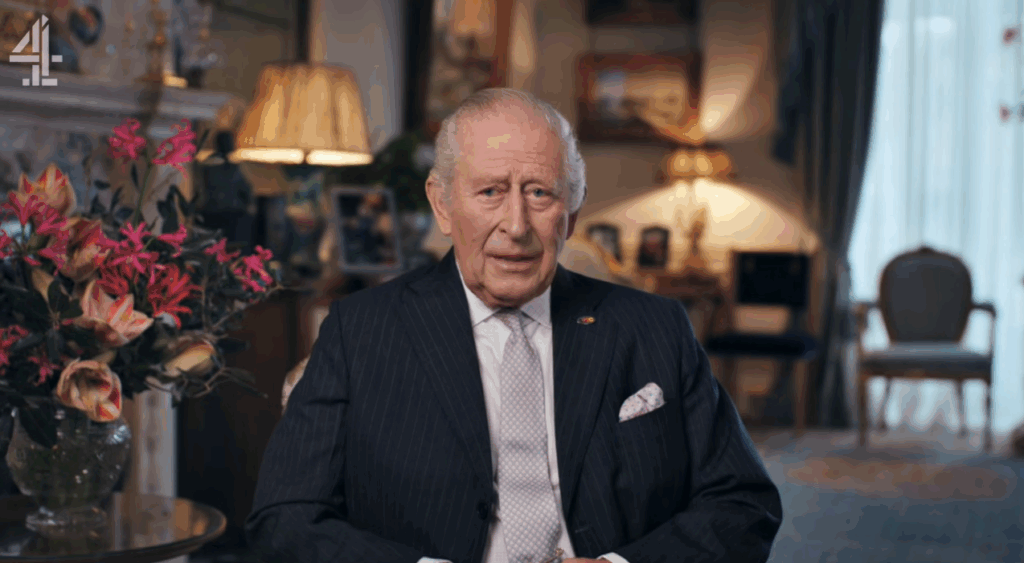 Photo Credit: Channel 4 / Stand Up
To Cancer – King Charles message
Cancer specialists have long warned that celebrity diagnoses can
have unintended consequences. When a high-profile figure discloses
a particular cancer type, attention and resources can skew
disproportionately toward that single form of the disease.
Meanwhile, others – equally devastating but less visible – risk
being overshadowed.
His Majesty is keenly aware of this dynamic. It is his desire to
use his platform to “support the whole cancer community” – those
with rare cancers, aggressive cancers, slow-moving cancers,
undiagnosed cancers, incurable cancers.
By not naming his own, he avoids creating a hierarchy of
suffering. His message is clear: every patient matters, not just
the one wearing the crown.
In recent years, royal health disclosures have trended towards
greater transparency. From The Princess of Wales’s ill health to to
Queen Elizabeth II’s frank acknowledgment of “mobility issues,” the
Windsors have increasingly met speculation with clarity.
King Charles’s approach is not aimed at secrecy, but towards
purpose-driven restraint.
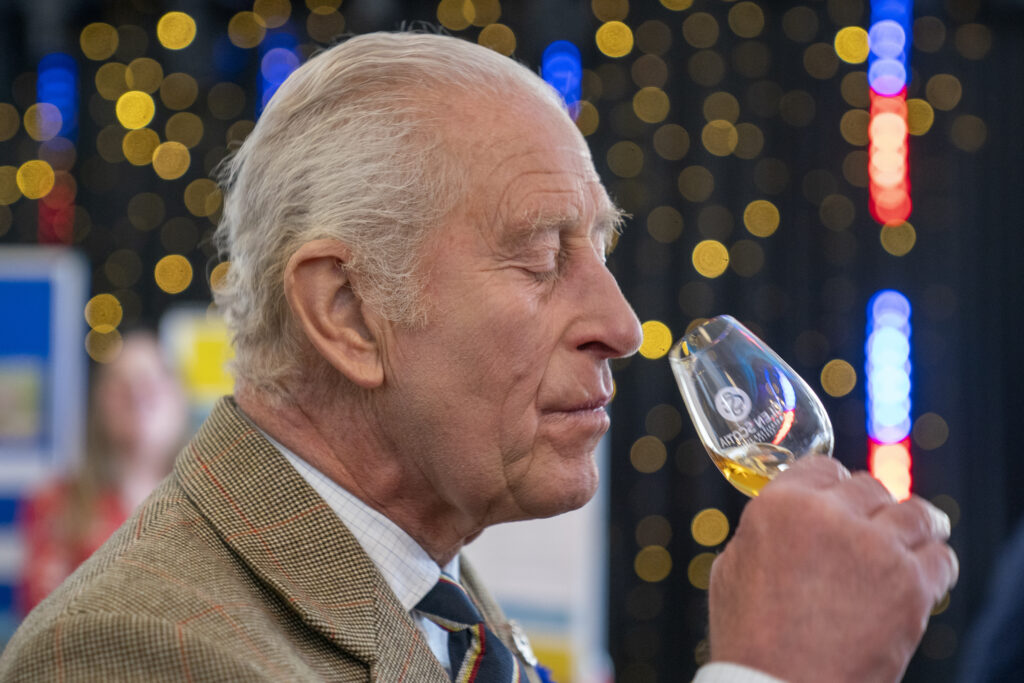 King Charles III Picture by
i-Images / Pool
Those close to the King say he remains determined to work, read,
engage and encourage wherever possible. His illness has not
softened his sense of duty; if anything, it has sharpened it. He
has spoken often of compassion, community and understanding –
qualities he sees reflected in the cancer patients he now stands
among.
By choosing not to define his own condition publicly, King
Charles opens the door for others to feel included rather than
overshadowed.
It is, in its own way, a profoundly human gesture.