
Cabinet papers state that the authority currently has one of the lowest council tax bills in England, calling it “no longer sustainable”, external.
The cabinet report also confirms that the council is asking the government for Exceptional Financial Support – effectively an emergency loan.
They hope to get £43.6m – but a cabinet report warns that the budget gap would still require some services to be “provided in different ways” or “stop altogether”.
The authority had to use the same mechanism to borrow £33m for this financial year, or face declaring itself bankrupt.
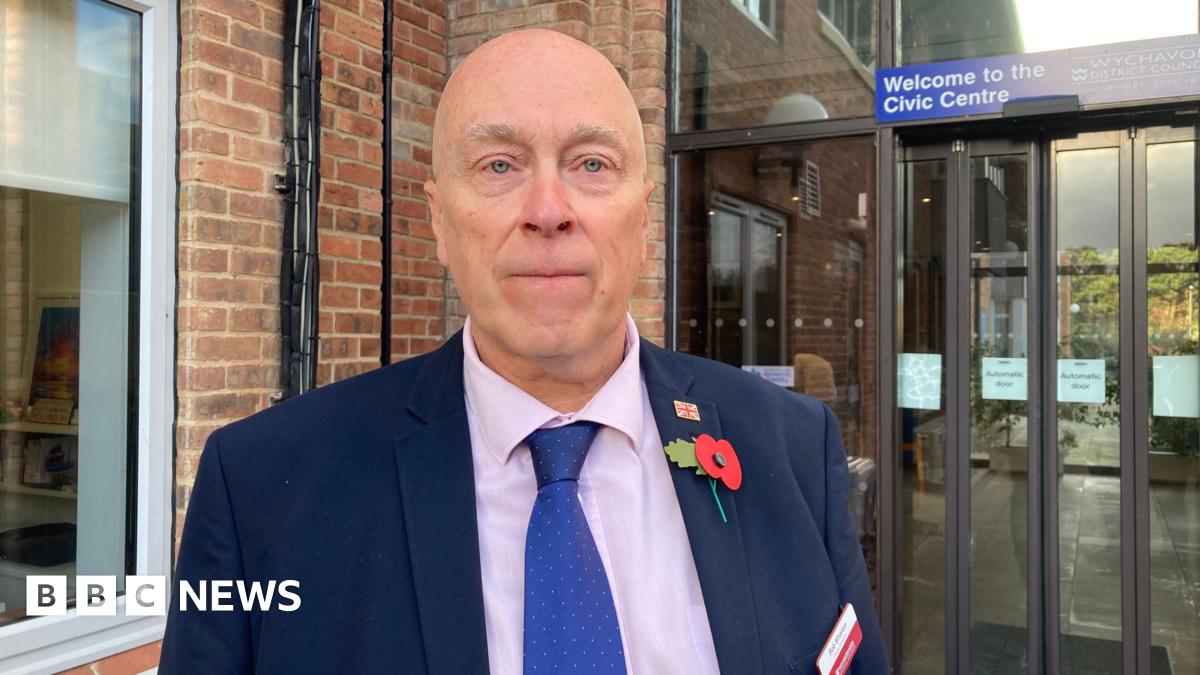
Wharton said the financial situation was bleak.
“As it stands now, we’ve pencilled in a 5% council tax rise,” he said.
“We’ve asked for the option to increase it by up to 10% – we’re pretty sure they [the government] wouldn’t say yes to that, but it’s purely to give us that flexibility when the local government financial settlement comes out.”
Councils have to apply to the government if they want to increase council tax bills above 5%.
Six councils across England sought that permission last year with the rises ranging from 7.5% in areas like Birmingham and Somerset to 10% in Bradford.
The current council Band D rate is £1,615 per year – excluding extra charges from the police, fire service and district councils – meaning a hike of 6% would add £96 to household bills, while 8% would see it rise by £129.