
The EU is working to agree on a plan to use frozen Russian assets to underwrite a €210 billion loan to support Kyiv’s state budget and help repair the damage done by Russia’s full-scale invasion. However, Belgium — which hosts the bulk of the funds — has been joined by Italy, Malta and Bulgaria in raising legal questions over the proposals, which are already opposed on principle by Kremlin-friendly countries Hungary and Slovakia.
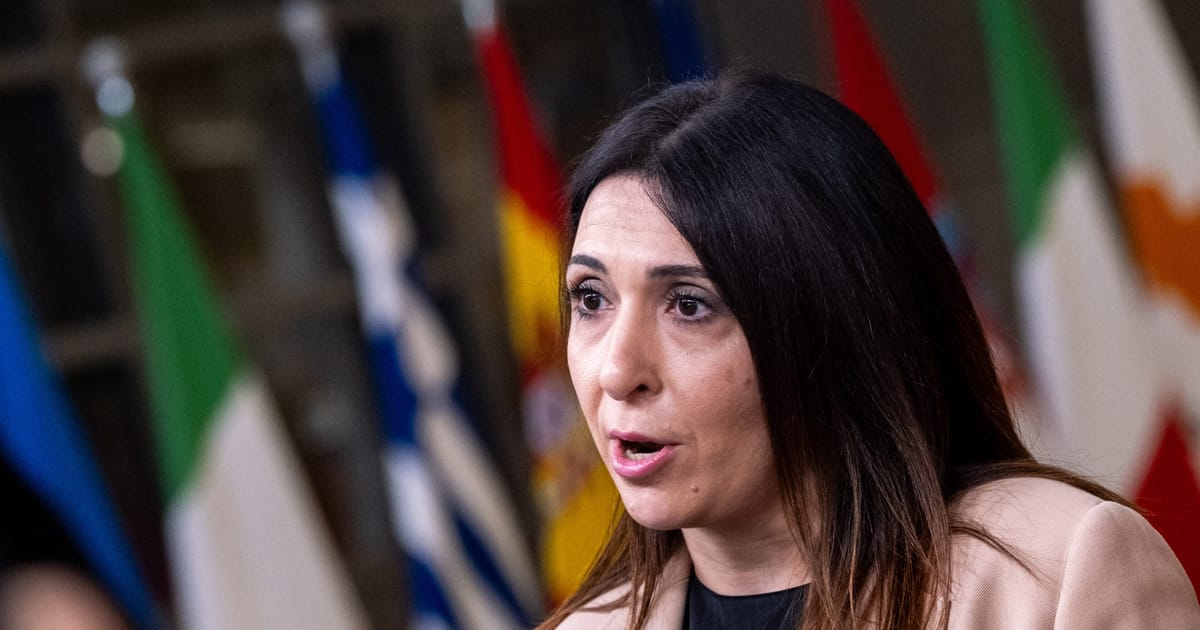
“A number of member states have said we need to ensure there is legal certainty; I think safeguards are being put in place in this regard. And that will pave the way, I hope, for a decision,” said Raouna. “I think we need to exhaust all possibilities … We also need to be aware of what message it would send if we don’t reach a decision.”
Talks between ambassadors on the technical framework behind the move were canceled on Sunday and will run late into the night on Monday instead, ahead of a summit of leaders under the auspices of the European Council on Thursday.
Four diplomats told POLITICO they remain convinced the plan is workable and no alternative exists given capitals’ opposition to borrowing the money directly. Despite that, there are growing concerns that failing to consider other options would mean major delays if the assets plan is rejected.
“I think we are on the right path. I am cautiously optimistic that we will be able to deliver at the European Council,” Raouna said.
Cyprus takes over the six-month rotating presidency of the Council of the European Union from the beginning of next year, giving one of the smallest countries in the bloc an influential role overseeing diplomatic talks. Along with Ireland, it is one of two militarily neutral countries to take on the role in 2026.