
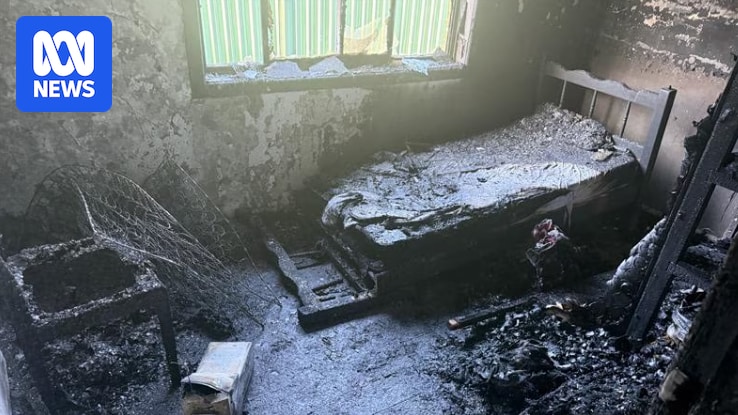
An inquest into how and why lithium-ion batteries catch fire has been told three people became trapped and died within minutes after devices exploded.
Deputy State Coroner Kasey Pearce was overseeing the inquest in Sydney that was focused on the specific circumstances of four fires — two of which were fatal.
Her probe was aimed at so-called micro-mobility vehicles, which mainly covered e-bikes, e-scooters and hoverboards.
Burnt but alive
In his opening address, Counsel Assisting David Kell today gave an overview of each fire, and how lithium-ion battery fires burn.
“The volatile and complex fire behaviour is difficult and dangerous compared to other fires,” he said.
“Temperatures can reach 900 degrees Celsius within minutes.”
The first fire happened in short-stay accommodation at Cabarita Beach in Northern NSW in September 2023, a day after a man picked up his repaired e-bike battery.
“A fire ignited in his room and a neighbour rescued him,” Mr Kell told the inquest.
“He suffered severe burns to 40 per cent of his body and was placed in an induced coma.
“Thankfully he survived.”
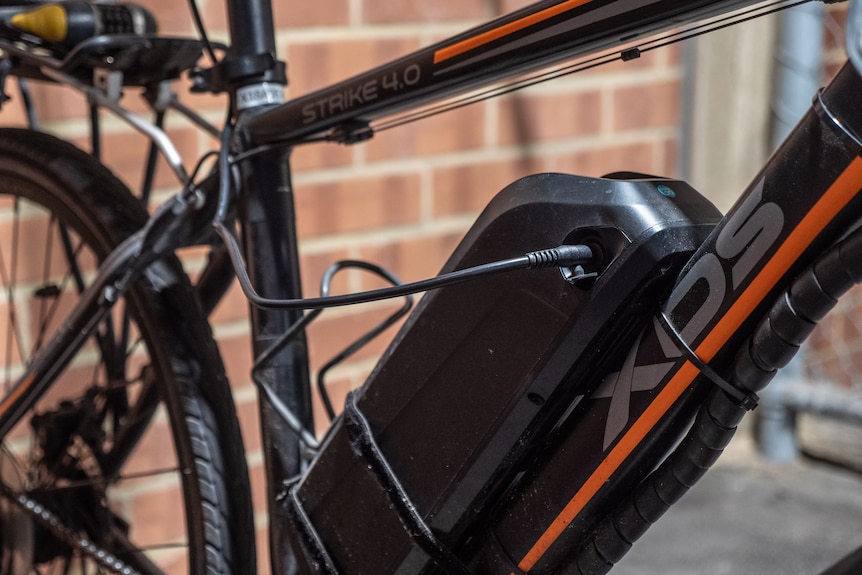
E-bike batteries are a focus of the inquest. (ABC News: Emma Wynne)
Mr Kell said a food delivery driver was injured in December 2023, when his second-hand e-bike battery exploded in his Annandale bedroom in Sydney.
“Around 3am the man returned to his unit, and at 5am plugged the battery into a power outlet in his room.
“Around midday the battery exploded, engulfing a table in flames and rapidly spreading to a bed and a couch.
“He sustained significant burns and another flatmate had burns to 20 per cent of his body.”
Explosions and death
Mr Kell told the court the last two fires were fatal.
The counsel assisting said two women died in a two-storey townhouse at Teralba, south of Newcastle, in February 2024.
At the time, the women were identified as Patricia Kerr and Therese Harris.
Mr Kell said evidence would show that a compromised e-bike battery — belonging to a visiting family member — was to blame.
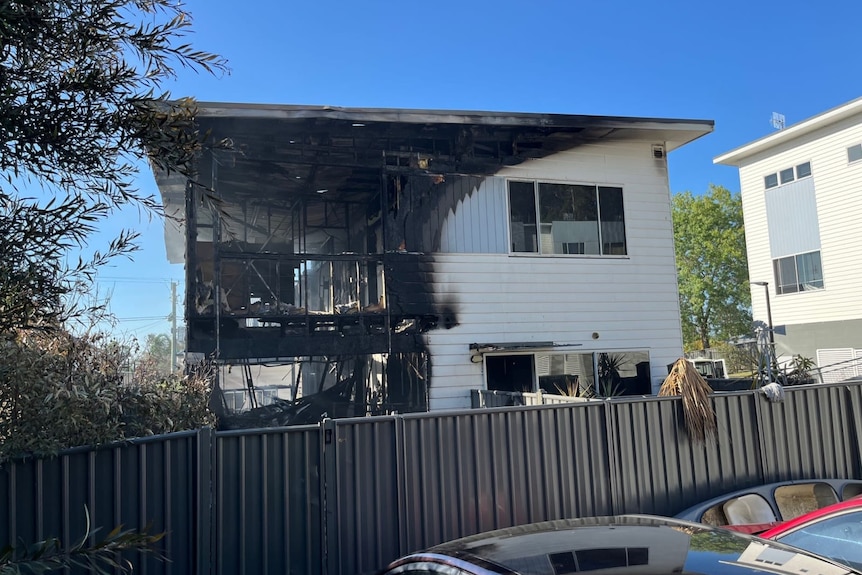
Two women died at Teralba when a fire broke out at 4:10am on February 29, 2024. (Supplied: Fire and Rescue NSW)
“Repairs were done but panels were not reattached and screws had been lost,” Mr Kell said.
The inquest was told a screw used to fix it was too long, and compromised the battery.
“Gas just started flying out and flames just went everywhere,” he said.
“It is believed the screw inserted pierced [the] lithium-ion battery causing several explosions and fire.”
The fourth fire was in February this year at a freestanding rental home in Guildford in Sydney, and killed another food delivery driver.
“At 4:50am, while the battery was charging 30 centimetres from the foot of his bed, there was a loud explosion in the bedroom, followed by a fire,” Mr Kell told the inquest.
“He suffered extensive burns and incineration injuries and died at the scene.”
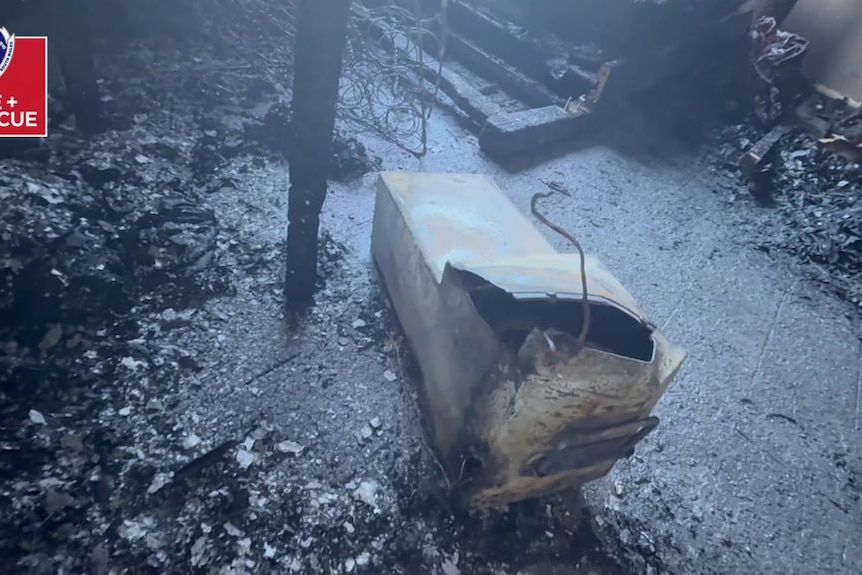
Fire and Rescue NSW say an e-bike battery caused a fatal house fire in Sydney’s Guildford in February 2025.
Six fires a week
The latest data from Fire and Rescue NSW suggested lithium-ion batteries were causing approximately six fires in NSW per week.
“The fires can release large volumes of toxic, explosive and flammable gases,” Mr Kell said.
“Battery cells can be ejected from a battery pack up to 40 metres.”
Mr Kell told the inquest that overcharging was a common problem, as was dropping, crushing, piercing and vibration.
He said using non-compliant equipment also put people at risk.
“A common misconception is if a charger fits in a device and can charge it then it is appropriate for use … that is not the case,” he said.
The inquest was set down for three days, and will resume in August next year.