
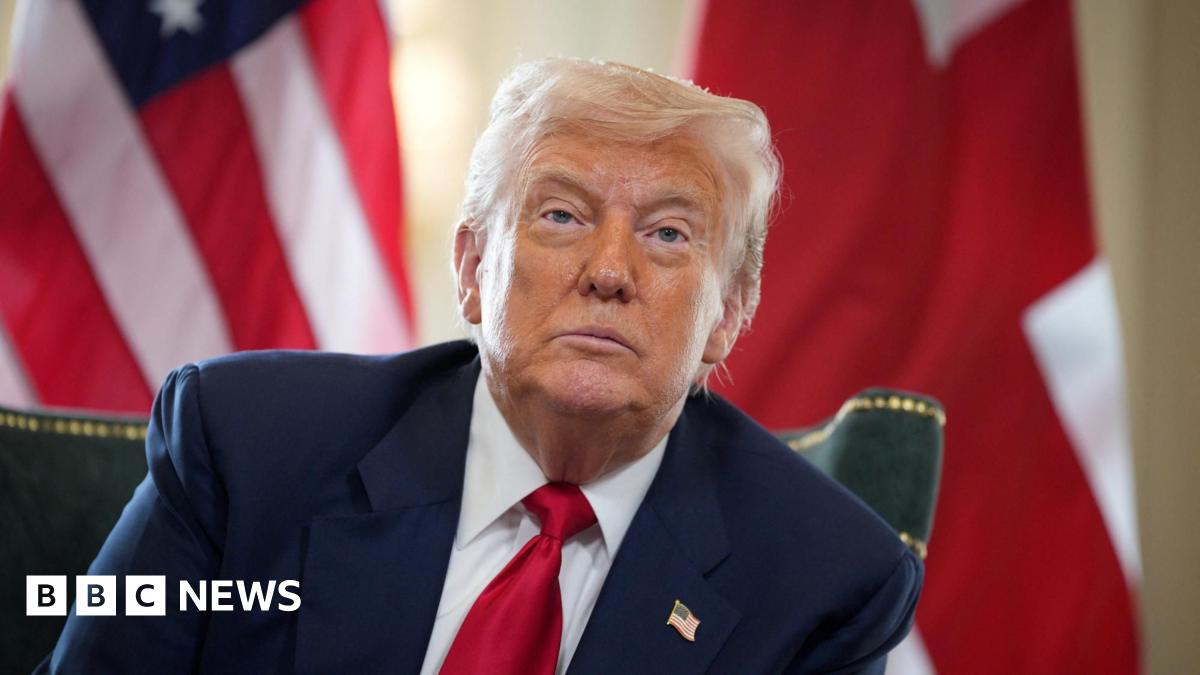
Most US imports are now covered under Trump’s tariffspublished at 17:31 British Summer Time
17:31 BST
 Dharshini David
Deputy economics editor
For all the wrong reasons, 1 August has been circled on international policymakers’ calendars for several months. Agree new
trading terms with the US by then, they’d been warned – or face potentially ruinous tariffs. With hundreds of countries involved, it was a tall
order.
As President Trump unleashed his equivalent of economic shock
and awe on the world in his second term, he threatened a wholesale upending of the
established trade order from the White House Rose Garden in April.
And he has followed through on his threats – in part. He’s
seemingly bended major trading partners to his will in the deals, or rather
concessions granted, insisting they “buy American” while still swallowing
higher tariffs. In those short few intervening months, clarity has emerged about
the likely shape of the new trading system that the American President has
tried to impose – and who the winners and losers may be.
One by one, the deals did emerge, with the UK first off the
blocks, perhaps inevitably. While the 10% applied to most British goods may initially
have raised eyebrows, it provided a hint of what was to follow – and ultimately
came as a relief compared to the 15% rate applied to other trading partners
such as the EU and Japan.
South Korea, Cambodia, Pakistan have since followed and
tariff letters have been fired off elsewhere, the bulk of American imports are now
covered by either an agreement or decree. And much
has been revealed as a result.