
As Australia looks to strengthen its firearms laws in the wake of the Bondi terror attack, recent changes to Western Australia’s gun rules could provide a blueprint for the nation.
Less than a day after a father and son opened fire on members of Australia’s Jewish community who had gathered to mark the first day of Hanukkah, the prime minister met with the nation’s premiers and first ministers to agree on a path forward.
Bondi proof that Port Arthur guns laws failing, advocate says
A key part of that path will be a “strengthening” of Australia’s gun laws as part of an effort led by New South Wales Premier Chris Minns and WA Premier Roger Cook.
The father involved in the shootings had been a licensed gun owner for a decade and had six registered firearms, which NSW Police said were recovered from the scene.
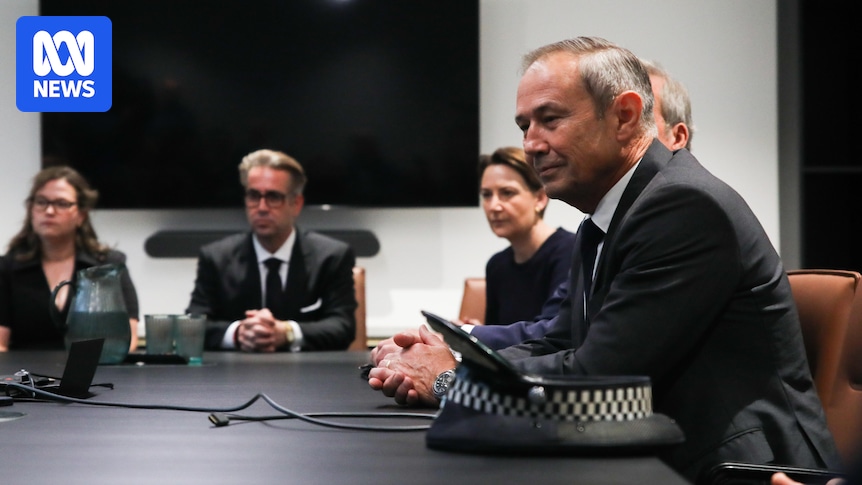
“We in Western Australia have Australia’s leading, strongest and safest gun laws, and we are in a position now to share our experience and our knowledge with the rest of Australia,” WA Police Minister Reece Whitby said on Tuesday morning.
“Our laws can be a model for the nation.”
The WA government has consistently pitched its changes as being focused on public safety, using that focus to justify moves to:
Mr Cook has flagged better information-sharing with federal authorities and uniformity across the country on the types of weapons that are allowed as a key priority of this round of changes.
“It’s those high-level, automatic weapons, high calibre weapons, which quite frankly I don’t see any need to be in Australia,” he said.
When the WA government first announced plans for the changes in 2023, it said there were more than 360,000 firearms in the state.
It offered a number of buybacks for people who would be ineligible for a firearms licence under the changes, or whose guns became illegal as part of a crackdown on the types of firearms able to be owned.
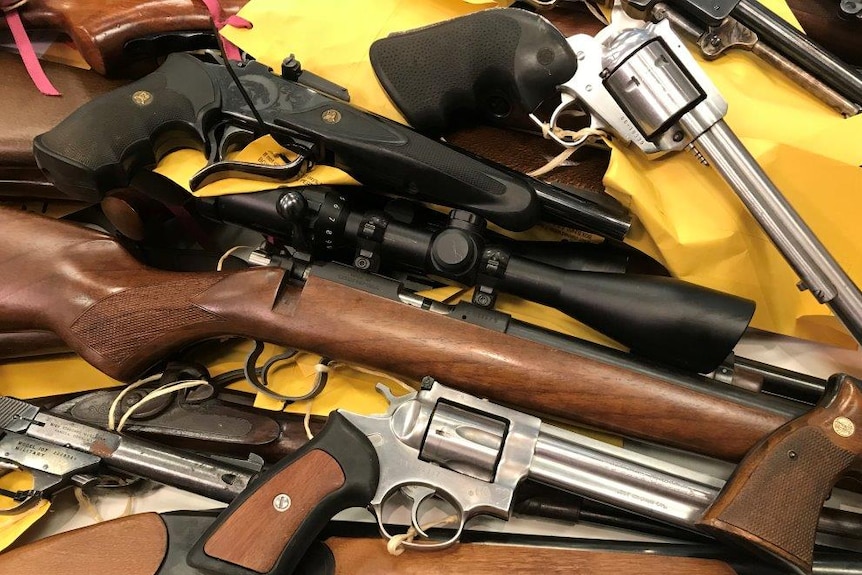
Tens of thousands of guns were handed in during WA’s amnesty period. (Supplied: WA Police)
The government said more than 74,000 firearms were surrendered through buybacks, with another 4,200 seized by police.
Much of the nation’s gun laws are managed by the states, meaning any changes will need to be approved by state parliaments.
Mr Minns has already indicated a willingness to recall the NSW parliament to introduce an initial round of changes in the aftermath of the attack.
Commissioner’s discretion
The legislation also gives the police commissioner broad discretion when considering whether a prospective firearm owner is a “fit and proper person”, allowing them to consider everything from their “conduct and behaviour” to their “views, opinions and attitudes”.
The commissioner can also consider who a person lives with, who their family are and who they are in business with.
It is these restrictions that WA Police Commissioner Col Blanch said on Monday morning could have given WA Police greater powers to avert a tragedy like the Bondi attack than their New South Wales counterparts have.

Col Blanch says firearms can be removed from people in WA because of close associations with people of concern. (ABC News: Briana Shepherd)
He pointed to the ability to consider who a firearms owner associated with as a key power for police.
“[They] may be on a terror watch list, they may be an outlaw motorcycle gang member, they may have a mandatory disqualification offence like family violence,” Commissioner Blanch said.
“We can take firearms off other members of that same household, who may not have that history, because of their close association.
“That is a fantastic part of the 2024 Firearms Act that we utilise on a regular basis to protect our community.”
Mr Cook suggested those greater restrictions on who was able to legally own a firearm were a key part of the state’s laws.
“Australians rightly expect anyone who is not a fit and proper person in the eyes of the law should not have access to a firearm,” he said.
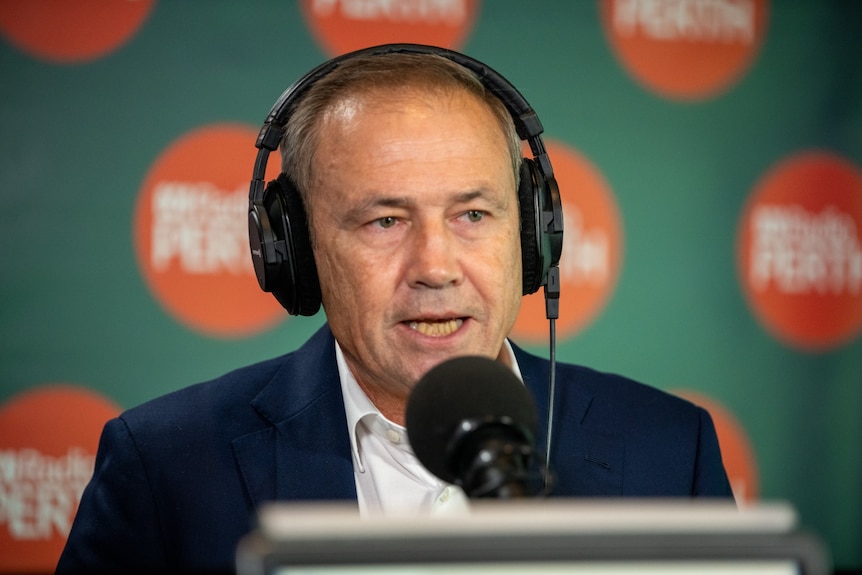
Roger Cook is helping to prepare the reforms. (ABC News: Andrew O’Connor)
“WA’s laws deliver on these expectations, and the clear belief of responsible firearms owners that licences are limited to only those who truly need one.”
The legislation also limits firearms licences to a maximum of five years before they need to be renewed.
However, Mr Cook stressed that not all of Australia’s laws would necessarily be brought into line with WA’s.
“I would never say that what we do in WA is fit for everyone,” he said.
“And I would never say that our work around gun law reform is complete, but we have got some recent experience and obviously we’ll bring that experience to bear in those conversations.”
Confusion and resistance
But the implementation of the laws was beset by challenges and resistance from some firearms owners.
The criticism ranged from confusion around the application of the laws, to concerns about mental health checks discouraging people from discussing issues with doctors.
GPs reluctant to do firearm licence certificates amid new gun laws
Legal firearms owners also said they felt as though they were being punished with more onerous restrictions, at the same time as the laws did little to take illegal firearms off the streets.
A state government department even raised concerns about the laws limiting the ability of volunteers to euthanise injured animals at the roadside.
A parliamentary inquiry into the laws found while many believed the legislation was flawed, the problem was instead a lack of “authoritative and effective communication” and a poorly implemented digital portal.
National Cabinet has tasked the nation’s police ministers and attorneys-general to look at opportunities to go beyond WA’s laws, including accelerating work on a National Firearms Register and making Australian citizenship a condition of holding a firearm licence.
Shadow Home Affairs Minister Jonno Duniam said while changes to gun laws were important, the opposition would wait to see the detail of any changes.
“What the change to gun laws won’t do is stamp out antisemitism, and that was the driver behind these attacks and we can’t forget that,” he told the ABC.
The Greens have indicated broad support for changes, creating a potential pathway through federal parliament for any changes.
Loading