
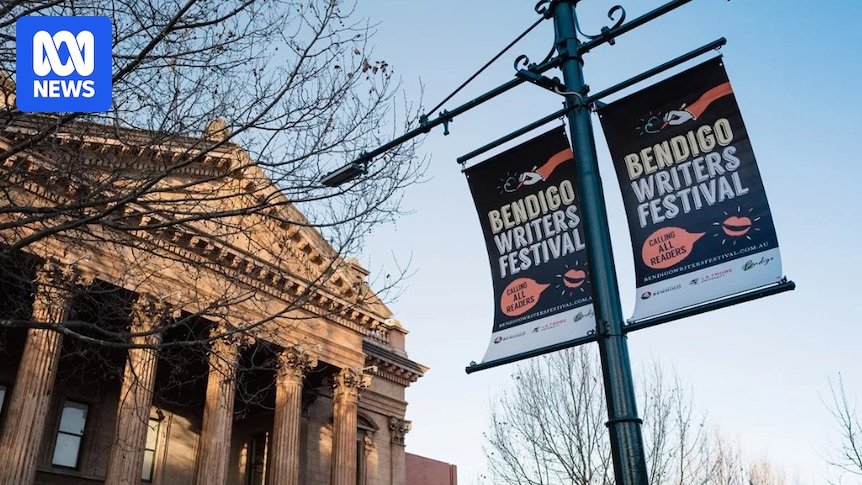
The debate around the failed Bendigo Writers Festival has again embroiled sponsor La Trobe University in controversy amid calls for more transparency and accountability.
More than 50 authors, academics and participants boycotted the August event over a code of conduct and censorship concerns.
The festival will not be running again next year.
The festival’s co-curator and La Trobe University academic, Clare Wright, said the university received concerns from a lobby group about Palestinian-Australian writer Randa Abdel-Fattah and “looked to withdraw its support” from the panel featuring her.
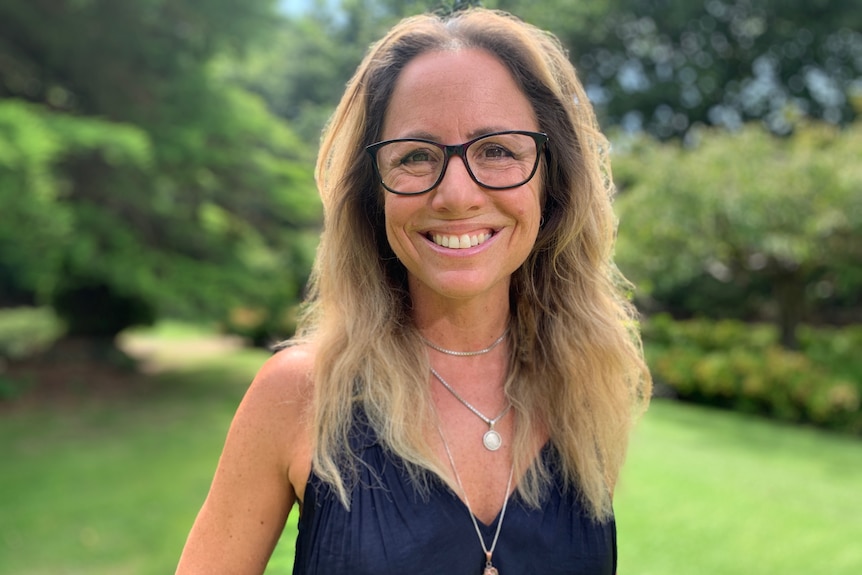
Historian Clare Wright says La Trobe University should have shown more “moral courage”. (ABC News: Patrick Rocca)
Professor Wright said the university’s actions caused damage to the authors, the staff and its own reputation.
“I am disappointed [by the lack of transparency from La Trobe University],” she told ABC Central Victoria.
“They were required to show more moral courage when it came to dealing with what amounted to a very small amount of pushback against the program.”Vice-chancellor intervention
Professor Wright said the university and City of Greater Bendigo, the festival’s owner, had drafted a response addressing the concerns, but La Trobe University’s vice-chancellor Theo Farell decided against sending it.
The Bendigo council later sent a code of conduct with a contested definition of antisemitism to all participants, at La Trobe University’s request, just days before the festival.
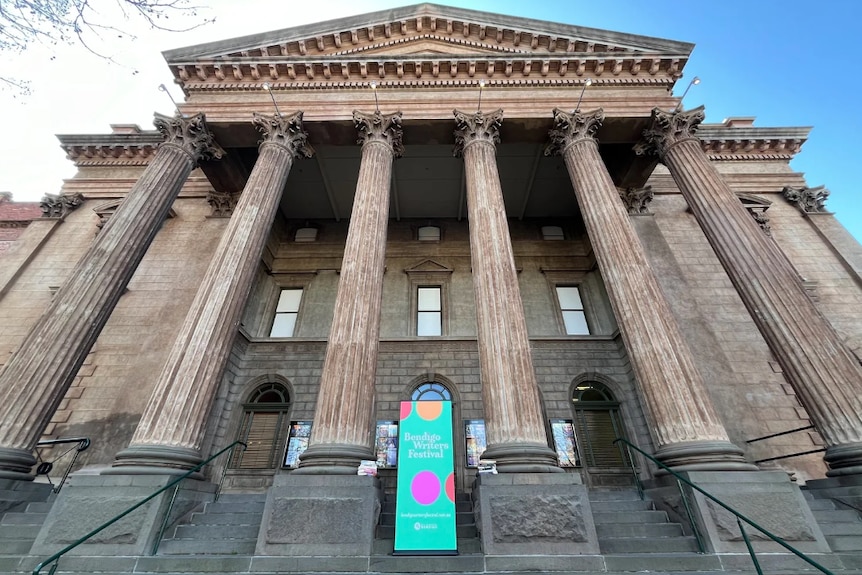
The Bendigo Writers Festival was one of the regional city’s key tourism events. (ABC News)
The exodus of participants resulted in the cancellation of literary sessions and the opening and closing gala events.
“There were other ways that it could have been dealt with at the time very swiftly, and that didn’t happen,” Professor Wright said.
La Trobe University, which has sponsored the Bendigo Writers Festival since 2011, said this year’s festival had not proceeded as intended.
Professor Farell said they had learnt lessons.
“We have learned the importance of clarifying partnership terms and responsibilities at an early stage together with robust partnership governance,” he said.
Council accepts mistakes
The City of Greater Bendigo has acknowledged its shortcomings and made a decision to pause the festival next year, noting that its processes were “inadequate”.
After an independent review, the council has adopted a resolution recognising the “unintended consequences” of the code’s content and timing, particularly for Dr Abdel-Fattah and other affected authors, local businesses, participants, and the community, and expresses sincere regret for the impact this had on them”.
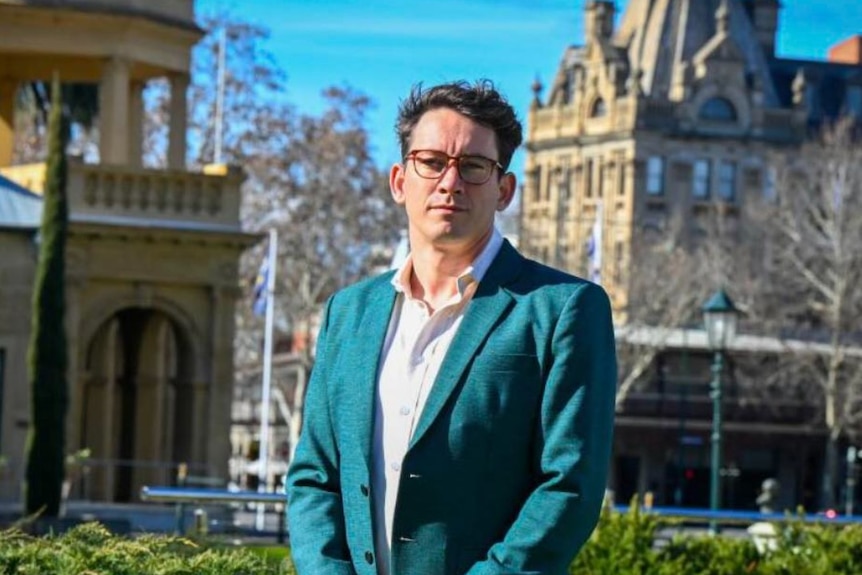
Thomas Prince says La Trobe University chose not to contribute to the festival review. (Supplied: Thomas Prince)
City of Greater Bendigo mayor Thomas Prince said La Trobe University did not contribute to the review.
Councillor Damien Hurrell, who guided the festival organising committee, said he was comfortable with the processes that were put in place to ensure Dr Abdel-Fattah’s voice could be heard.
“But I think, as we all now know, there was a pressure applied to try to manage the speakers at the festival in such a way as to avoid what our partner [La Trobe University] was regarding as a potential for antisemitic discussions,” he said.
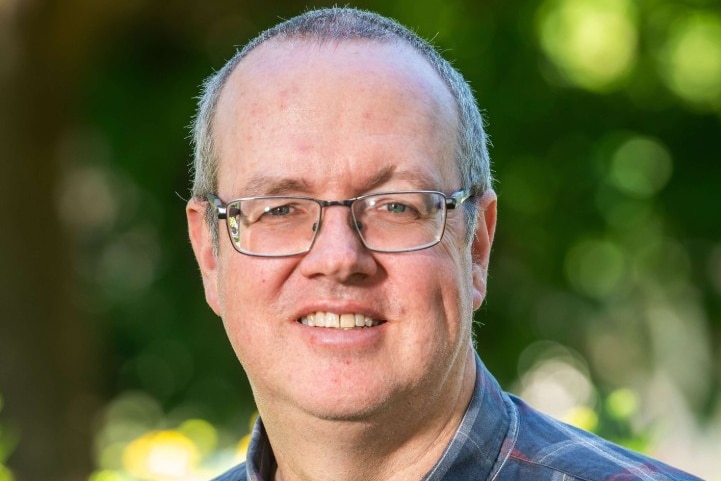
Damien Hurrell has apologised to authors who boycotted the festival. (Supplied: Damien Hurrell)
“To the extent that I did not understand or appreciate what that sort of code of conduct would mean for our authors, I take accountability and responsibility, and I apologise to those authors.”
The council has also resolved to return to the event in 2027, ensuring “the festival sets the terms, not individual partners”.
Apology sought
Dr Abdel-Fattah said she would “absolutely” come back to the festival again if it was a “safe space”.
However, if La Trobe University were a sponsor, she would have to “think very seriously about the circumstances”.
“No apology has been made, no accountability, no admission that this was about anti-Palestinian racism, so that’s something I’d have to consider,” she said.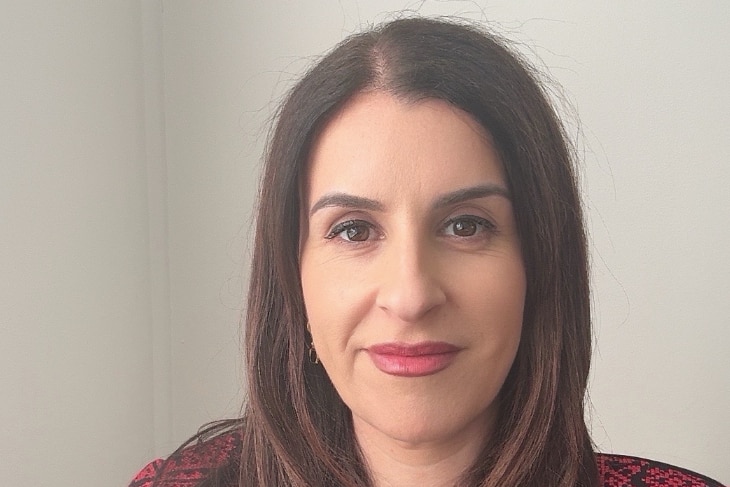
Randa Abdel-Fattah is a Future Fellow at Macquarie University. Her research covers Islamophobia and race. (Supplied: Bendigo Writers Festival)
Professor Wright hailed the Bendigo council for deciding to return the festival after a one-year pause.
“I think the festival is an incredibly important part of not only the local and regional cultural space and economy, but also the literary ecosystem around this country,” she said.
However, she said La Trobe University should take accountability for its actions.
“I think that apologies are due,” she said.
“I think it’s the sign of a mature institution when it can apologise.”
Sponsorship concerns
Samuel Cairnduff, from the University of Melbourne’s School of Culture and Communication, said it was a wise move for the council to pause and reconsider the event.
“They need to make sure sponsors can’t exert that kind of pressure, particularly at the 11th hour, to change the whole scope and engagement nature of the festival.
He said partnering with sponsors was a two-way exchange of values.
“When you engage with a sponsor, they don’t get to pull the strings.
“The worst kind of partnership is one where the partnership is pulling the strings, and dictating what an arts organisation should do. We’ve got to reset that dynamic.”