
European Union leaders are set to decide Thursday whether to use frozen Russian assets to fund billions in loans to Ukraine, a move seen as a critical test of the bloc’s unity and strength. The EU considers Russia’s war a direct threat to its security and wants to ensure Kyiv can continue its war effort.
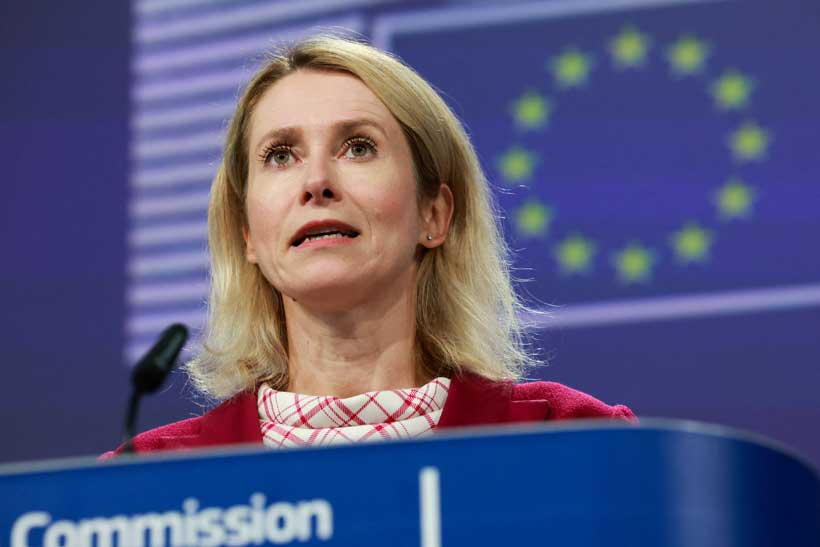
EU foreign policy chief Kaja Kallas stressed the urgency, saying leaders would remain at the Brussels summit as long as needed to find a solution. Polish Prime Minister Donald Tusk framed the decision starkly: “Now we have a simple choice either money today or blood tomorrow,” emphasizing the stakes for both Ukraine and Europe.
Belgium Seeks Guarantees on Legal Risks
The European Commission has proposed using frozen Russian central bank assets, mostly held in Belgium’s Euroclear clearing house, to secure a large loan to Kyiv. Belgium, however, is concerned about potential legal and financial risks, with Prime Minister Bart De Wever stating that guarantees addressing these risks are still insufficient. Russia’s central bank has labeled the EU’s plan illegal and filed a $230 billion lawsuit in Moscow.
Other EU states, including Italy, have also raised concerns, but diplomats note that using the frozen Russian assets is effectively “the only game in town,” as alternative financing methods would either increase national debts or fail to provide long-term certainty for Ukraine.
Stakes for Ukraine and Europe
Without EU financial support, Ukraine is projected to run out of money by the second quarter of next year, potentially jeopardizing its defense against Russia. European Commission chief Ursula von der Leyen said she would not leave the summit without an agreement on funding for the next two years. Ukrainian President Volodymyr Zelenskiy was expected to attend in person, signaling the urgency of the situation from Kyiv’s perspective.
Negotiations Focus on Risk-Sharing
Discussions at the summit are concentrating on narrowing Belgium’s requested guarantees to a form acceptable to other EU countries. While the outlook remains cautious Kallas estimates a 50/50 chance of a deal German Chancellor Friedrich Merz expressed optimism, and Sweden’s Prime Minister Ulf Kristersson called it “the most important EU summit since the war in Ukraine started.”
The EU’s decision on whether to use the frozen Russian assets will shape not only Ukraine’s financial capacity but also the credibility and unity of the bloc in the face of ongoing Russian aggression.
With information from Reuters.