
“Now Europe must decide: Does it want to put the German economy back on the path to growth and thus support and grow the largest net contributor to the European coffers?” he said.
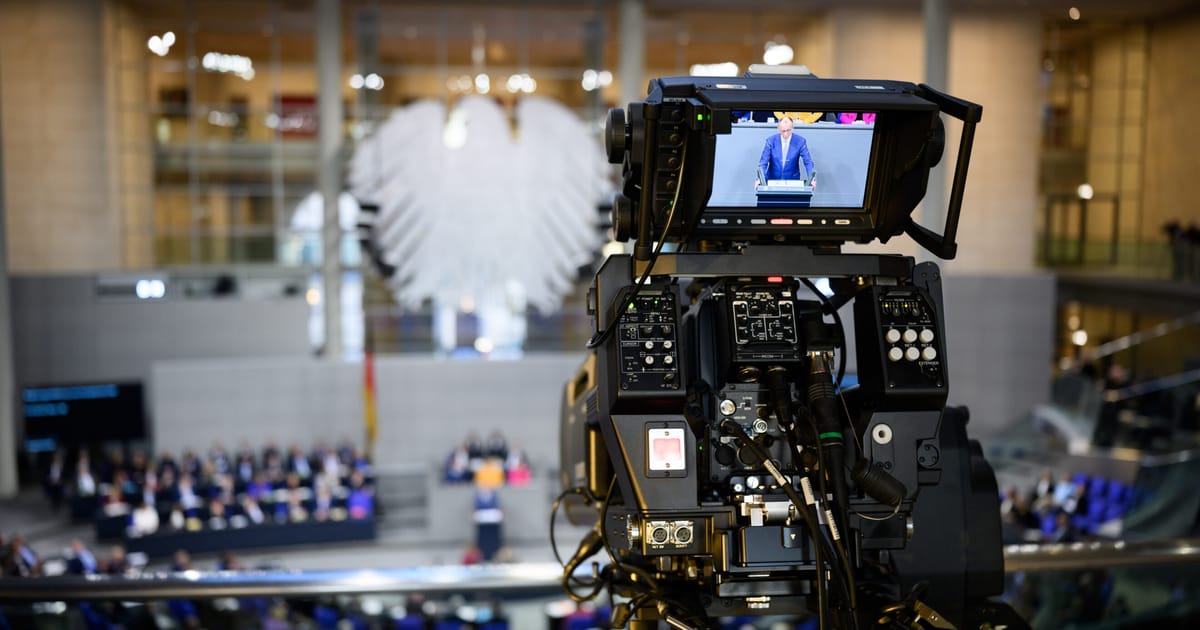
Chancellor Friedrich Merz, speaking in the German Bundestag ahead of an EU summit, exhibited frustration over persisting disagreements that are holding up the Mercosur trade agreement.
The agreement, in the works for over 25 years, is within sight of the finish line, but France and Italy are calling for a delay to finalize additional safeguards to protect European farmers from heightened South American competition. Only if they come round will European Commission President Ursula von der Leyen be able to fly to Brazil on Saturday, the day after the EU summit, to sign the deal.
“The European Union’s ability to act is also measured by whether, after 26 years of negotiations, we are finally in a position to conclude this trade agreement and thus also to swiftly move forward with the trade agreements negotiated in Mexico and Indonesia,” Merz said.
“If in the situation we find ourselves in today, in the times we live in today, we are still haggling over the details of major trade agreements that we as Europeans want to conclude with large economic areas around the world, then those who are doing so still do not properly understand the priorities we are setting now.”
Asked about Müller’s comments, the chancellor’s spokesperson, Stefan Kornelius, said: “The government’s policy is to implement Mercosur. The budget is a different matter. A budget only works if we have growth.”
Germany contributes around €47 billion to the EU budget annually, corresponding to around 23.6 percent of its funding and over 1 percent of Germany’s gross domestic product. If Germany maintains roughly its current share of the budget, its annual contribution would rise to around €67.3 billion in the next fiscal cycle.
Hans von der Burchard contributed to this report.