
More than 600 million people globally are at risk of contracting visceral leishmaniasis, with the vast majority (73% in 2022) of cases confined to East Africa. The disease remains poorly studied and relatively unknown outside of the impoverished communities it afflicts. A parasitic disease, it actually kills more people than any other parasitic disease, except for malaria.
An estimated 50,000 to 90,000 cases of visceral leishmaniasis occur worldwide every year, yet only between 25-45% are reported. The disease, which is spread by sandfly bites, causes fever, weight loss, liver and spleen swelling and can advance to psychosis and even death. The name, “visceral”, refers to its effects on internal organs such as the liver.
Visceral leishmaniasis has a 95% fatality rate if left untreated. It’s also a disease that particularly affects children. Half of cases in 2022 occurred in children under 15, according to the World Health Organization.
Crucially, current treatments for visceral leishmaniasis are painful and toxic – not unlike chemotherapy for cancer patients. Patients generally receive twice-daily injections for at least 17 days in a hospital setting. That’s a total of 34 jabs. Scientists are looking for less drastic solutions – and ways of informing communities about the disease, in the hope of reducing the number of people who get infected.
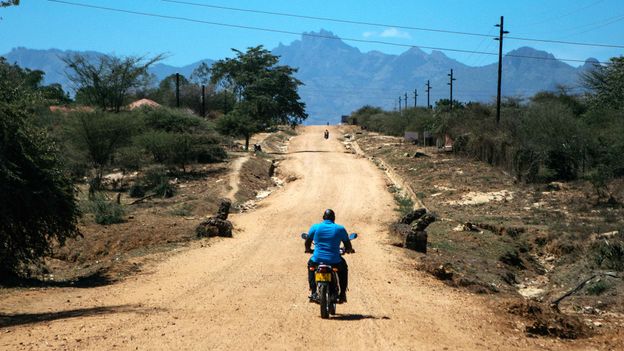
Ochieng is part of the effort. At Akorikeya village, a 20-minute drive north of Amudat in northeastern Uganda, he sets up his workstation beneath an acacia tree where men gather to drink milky tea every day.