

Listen to this article
Estimated 4 minutes
The audio version of this article is generated by AI-based technology. Mispronunciations can occur. We are working with our partners to continually review and improve the results.
A claim by New Brunswick Premier Susan Holt that petroleum refiners will be paying the $1 million per week cost of a gasoline price cut that her government orchestrated last weekend does not appear to be unfolding that way.
And the Premier’s Office is clarifying a comment she made about wholesalers and retailers having a “protected margin” on the sale of gasoline in the wake of the price reduction, acknowledging margins for the two groups are not actually guaranteed.
Last Saturday. petroleum prices around New Brunswick were forced to their lowest level in more than four years after the provincial cabinet approved a change in how the maximum retail price for gasoline in New Brunswick is calculated.
The switch involved ending the cost of regular gasoline as the basis for calculating maximum allowed prices in the province and replacing it with ethanol-blended gasoline known as E10.
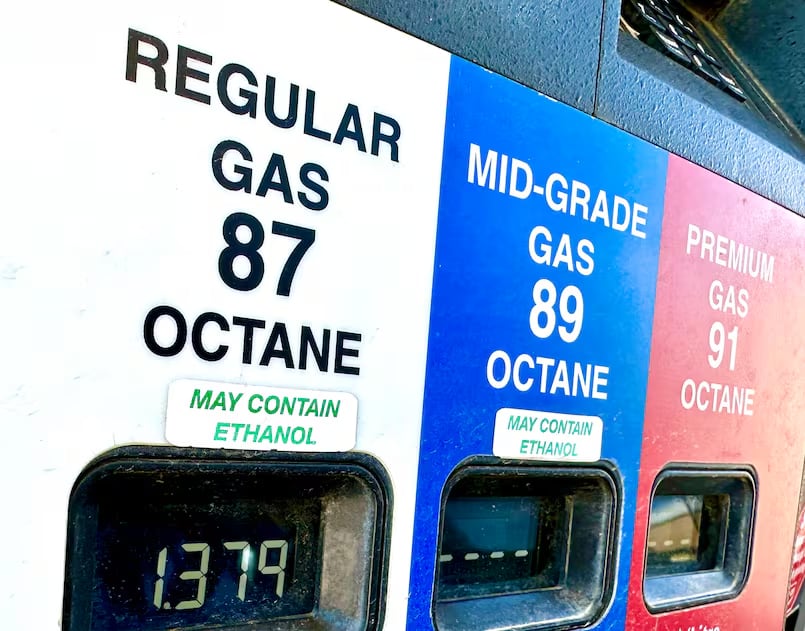 A change in the province’s pricing formula to include an ethanol blend instantly lowered what retailers could charge. (Kyle Bakx/CBC)
At the moment E10 is the cheaper of the two.
On Friday, hours before the change took effect Premier Susan Holt told reporters the 6.8 cent reduction in what retailers could charge the public would benefit consumers, but without financially harming retailers.
“It’ll come out in the end likely to the refineries,” Holt said when asked who would pay the price of the discount.
New Brunswick retailers sell one billion litres of gasoline annually. Pulling 6.8 cents out of the price means the potential loss of more than $1 million in revenue somewhere in the supply chain per week.
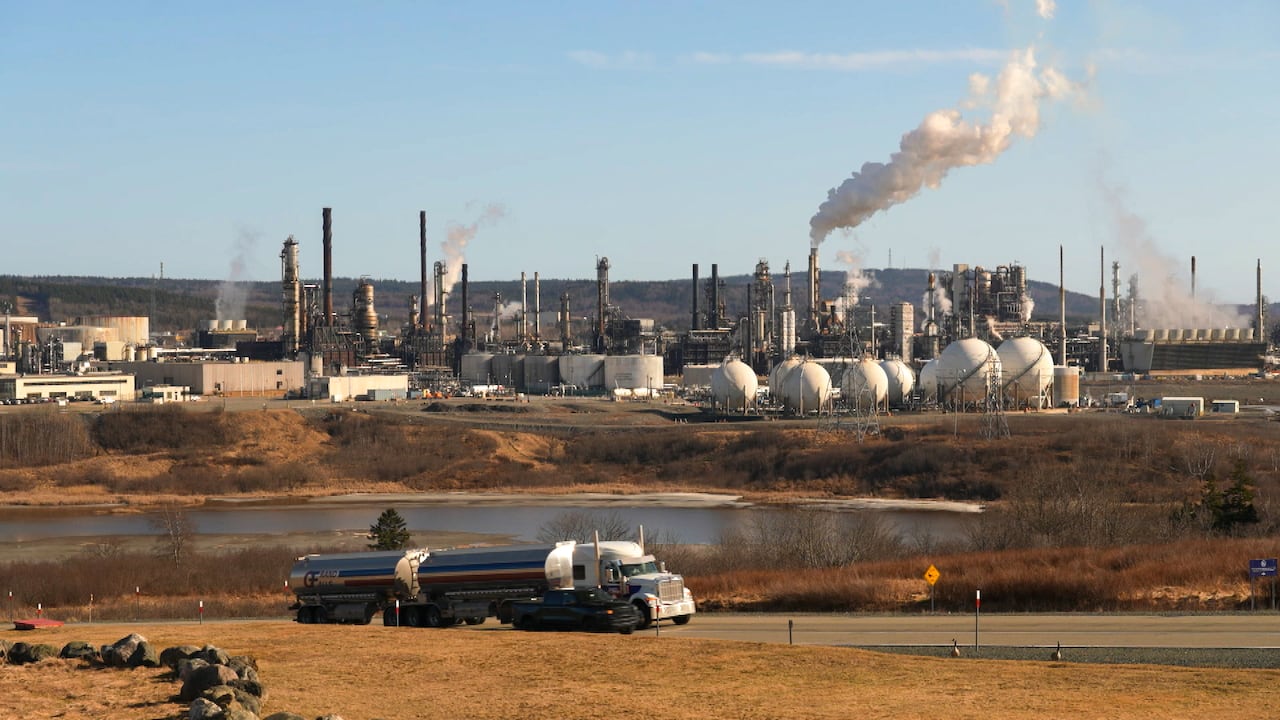 Petroleum wholesalers are supplied at terminal racks in Saint John and Miramichi from a variety of oil companies. Public wholesale ‘rack prices’ in New Brunswick did not fall to match price reductions imposed on retailers last Saturday. (Roger Cosman/CBC)
But Holt seemed to suggest wholesalers and retailers of gasoline would be financially shielded from absorbing the reduction and their businesses would be able to operate as normal despite the pricing change.
“Because they now have a protected margin that the [Energy and Utilities Board] put in place through two hearings, it won’t impact the delivery of gas,” she said.
WATCH | ‘It’ll come out, in the end, likely to the refineries,’ premier says:
N.B. drivers just saved $1 million on gas. Who’s paying for it?
Gasoline prices in New Brunswick decreased significantly in December after the provincial government made changes to the price-setting formula.
However, in an email this week, the Premier’s press secretary said it was not Holt’s intention to suggest amounts wholesalers and retailers make from selling each litre of gas in New Brunswick are guaranteed to them.
“The reference to “protected margins” was only meant to imply retail and wholesale margins are applied on top of the benchmark price when calculating the maximum price,” wrote Katie Beers.
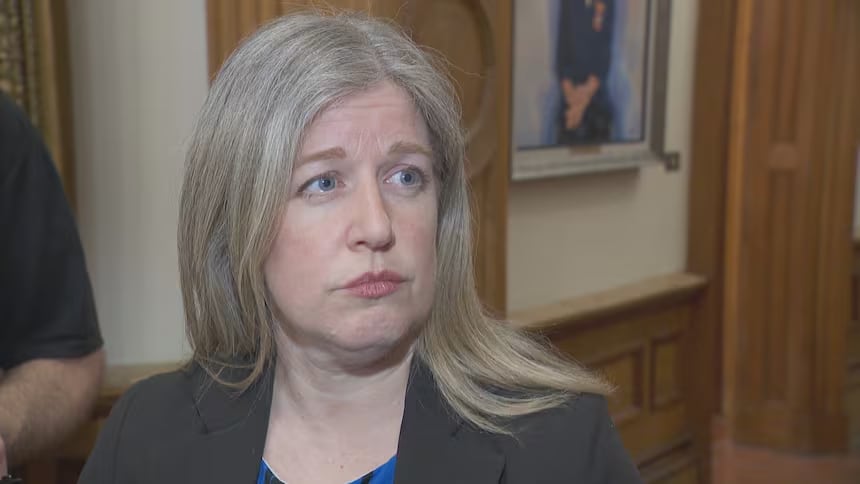 New Brunswick Premier Susan Holt told reporters she expected refiners to pay the price of a retail gas price discount her government unveiled last week. Government officials now say they aren’t sure that’s happening. (Chad Ingraham / CBC)
So far there have been few signs that oil refiners are rushing to finance the lower prices themselves.
According to pricing data collected and published by the energy information company Kalibrate, there has been no significant decline in what oil refiners have been charging to supply gasoline in New Brunswick to match the 6.8 cent reduction in prices that landed on New Brunswick retailers on Saturday.
In a technical briefing Thursday, a senior New Brunswick government official speaking on a not-for-attribution basis, acknowledged one “would have expected” a drop in prices by refiners to “match” lower prices imposed on retailers but that has not happened.
The official said it is possible refiners have cut prices in private deals with those they are supplying, but it is also possible they are not the ones absorbing the revenue loss from lower prices.
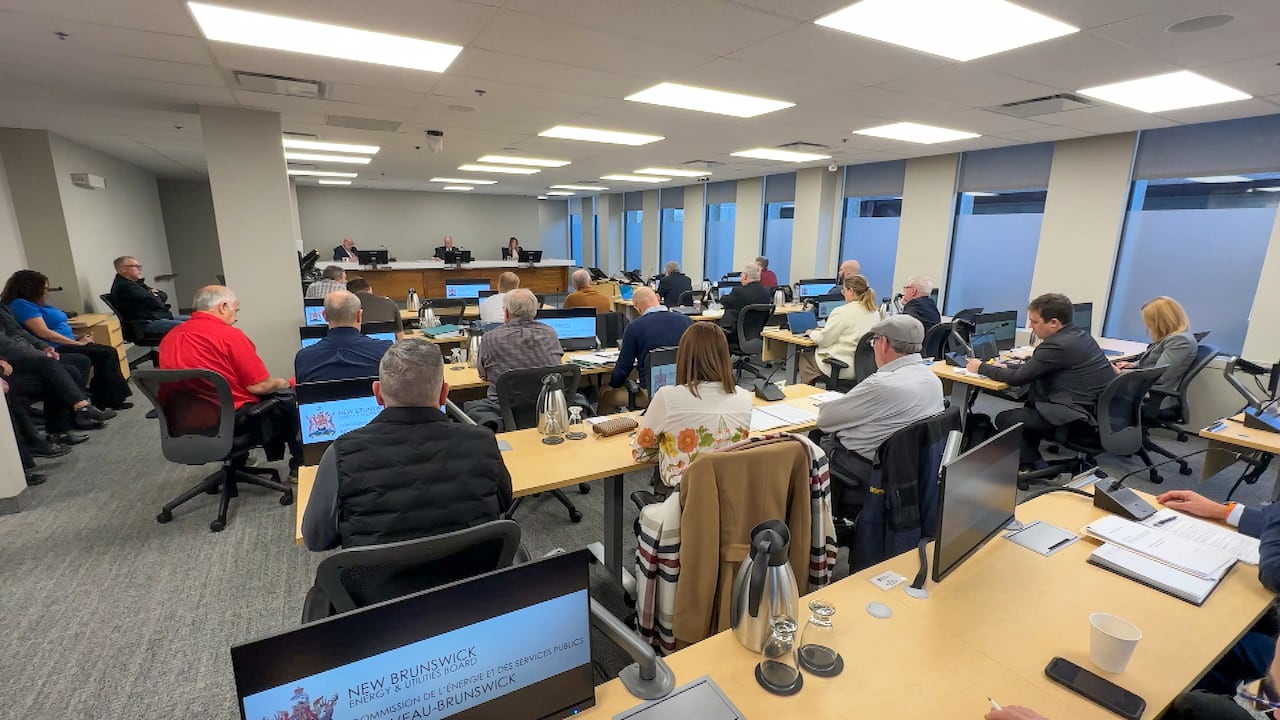 Last month petroleum retailers packed the Energy and Utilities Board hearing room to argue that lower allowable limits on gas prices would put some out of business. (Roger Cosman/CBC)
“We don’t have a lens on exactly where those dollars are going,” he said about who in the supply chain is absorbing lower revenues.
None of the major refiners who wholesale in New Brunswick, including Irving Oil, Ultramar, Petro-Canada and Valero responded to requests for comment on how they are dealing with the new price cut.
A number of gasoline retailers and retail organizations have also declined to speak about who is paying.
“I do not have a comment at the moment,” said Mike Hammoud of the Convenience Industry Council of Canada.
Last month, the New Brunswick Energy and Utilities Board halted a separate government attempt to lower gasoline prices by a similar amount because of concerns refiners would not absorb the costs.
In its decision, the board ruled that a large price reduction could have “a deleterious impact on the wholesalers and retailers” if costs landed on them.