
New Zealand exports to the US will face a 15% tariff rate, it has been announced.
The White House has revised its list of tariffs for particular countries and New Zealand has been put on a 15% base rate, up from the original 10% announced earlier.
Trade Minister Todd McClay said New Zealand was being unfairly penalised for what is a small trade deficit with the United States.
“It appears it has been done based upon countries that have a trade deficit with the US, who sell them more than they buy,” he said.
“In New Zealand’s case, that’s about half a billion US dollars and in a scheme the size of the US economy it’s really not significant or meaningful.”
McClay said he had asked Treasury for urgent advice about Friday’s development.
“Many of the exporters are saying they have been able to absorb the 10%, or in many cases pass it on, but at 15% it is going to start having a greater effect on our exporters.
“We sell about $NZ9 billion worth of goods into the US every year and so a 15% tariff rate is meaningful, but again the difference in trade is not significant in the scheme of things.”
He maintained New Zealand had good relations with the US.
“The first step will be to talk to them directly and we’ve been engaging a lot. In fact, it’s been very good engagement, both at official level, [Foreign Minister] Winston Peters has been to Washington and I’ve met with my counterpart a number of times now.”
McClay said he had put in a request for a call with Ambassador Jamieson Greer and would expect that to happen over the weekend so he could “start making the case” for a lower tariff rate.
US President Donald Trump announced the tariffs in April and said he they would be imposed on more than 125 countries.
Tariffs are paid by importers of products from other countries to their own governments, like taxes, effectively making imported goods more expensive for local consumers.
Advocates say they protect local economies, while detractors say they reduce trade and push up prices.
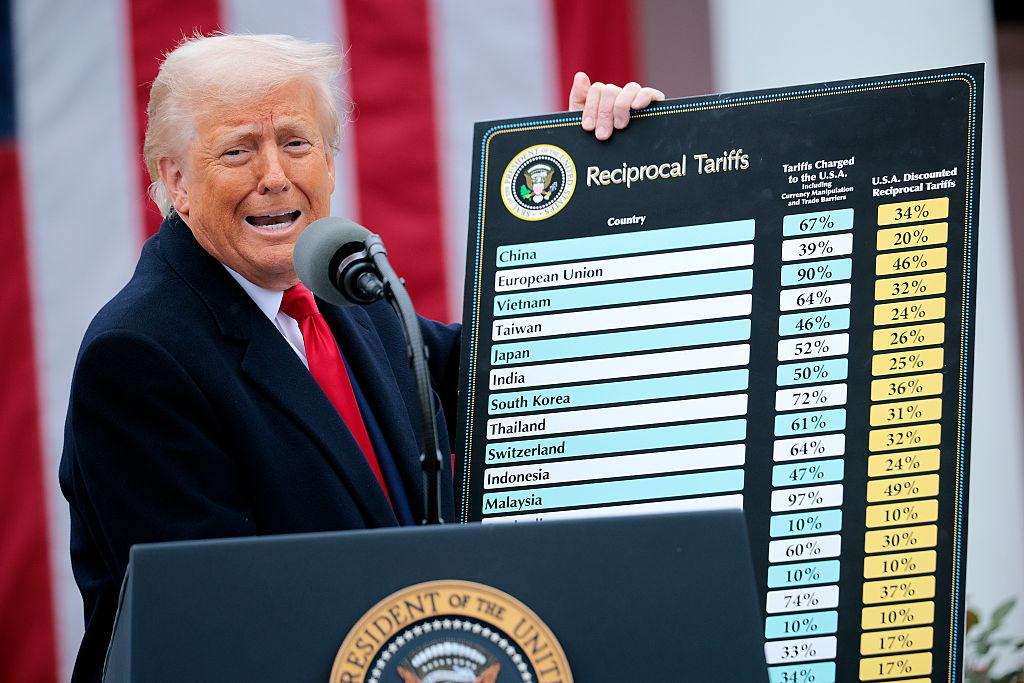
In announcing the initial range of tariffs in April, Trump caused confusion when he held up a chart saying New Zealand charged US goods a 20% tariff, which the New Zealand government denied.
It ended up being 10%, which Finance Minister Nicola Willis at the time called “extraordinary”. Prime Minister Christopher Luxon said New Zealand would not respond in kind.
Two-thirds of Kiwi businesses in a survey earlier this year thought the tariffs would have a more severe global impact than Covid-19 and the global financial crisis over the next 12 months.
Trump has repeatedly threatened a range of different tariffs on various nations since returning to the White House – most recently India, citing its own trade barriers and purchasing of energy and arms from Russia, and Canada, over its newfound support for Palestinian statehood.