


Listen to this article
Estimated 4 minutes
The audio version of this article is generated by AI-based technology. Mispronunciations can occur. We are working with our partners to continually review and improve the results.
The Prince Edward Island government is rolling out the province’s first-ever policing standards, which officials say will make police services more consistent, transparent and better supported.
Brody Connolly, the province’s director of public safety, said each policing service would have their own internal policy and some procedures that they would adhere to. He said the new standards will change that.
“This is the first time that we’re going to have a clear, comprehensive framework that sets clear expectations for how policing services operate,” Connolly told CBC News.
“It allows them to do that safely, and while also offering them the support and the tools they need to do the job properly.”
He added that P.E.I. is one of the last provinces in Canada to introduce provincewide policing standards.
What are the new standards?
The push to create formal, Island-wide policing standards stems from recommendations in a report commissioned by the province that was released in 2022.
Prepared by a consulting firm, the report evaluated progress in policing and offered recommendations to strengthen and improve police services in P.E.I.
Connolly said the standards were developed through extensive consultation with police agencies, unions and municipalities. Nearly 60 stakeholders and organizations were involved in the process.
Among the new requirements, police services across P.E.I. will now need to develop annual policing plans in consultation with the communities they serve. The standards also introduce quality assurance measures to ensure police services meet Islanders’ needs, Connolly said.
“What’s new is the consistency and accountability these standards create,” he said.
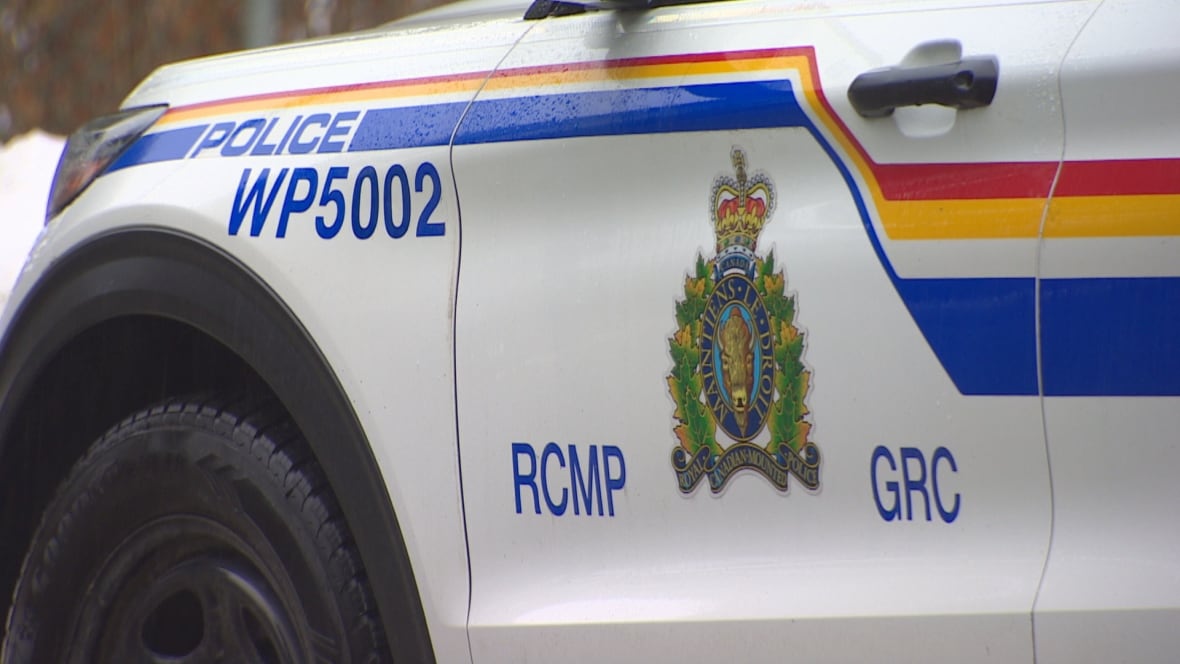 The new policing standards will apply to all police services on P.E.I., including the RCMP and the municipal forces in Charlottetown, Summerside and Kensington. (Ryan McLeod/CBC)
The framework also includes protocols in areas such as intimate partner violence and use of force, along with requirements to ensure officers are properly trained and equipped.
“There’s just going to be more trauma-informed guidelines with evidence-based research to give tools to police on how to address these evolving issues,” Connolly said.
He added that officer wellness is another element in the new standards, ensuring police have the support and resources they need to be “in a good place” while doing their jobs.
Overall, the framework covers five main areas: roles and responsibilities, organizational management, personnel, operations, and specialized policing and support services.
‘We needed these standards’
Kensington police Chief Landon Yuill said his department already has internal standards that largely align with the new provincial framework.
Still, he said the service will review its policies and procedures to ensure full compliance.
“Overall, we won’t see a huge difference, but we will have to make some changes that come into play with the new standards,” he said.
“We needed these standards. We’re very glad that they’re being implemented.”
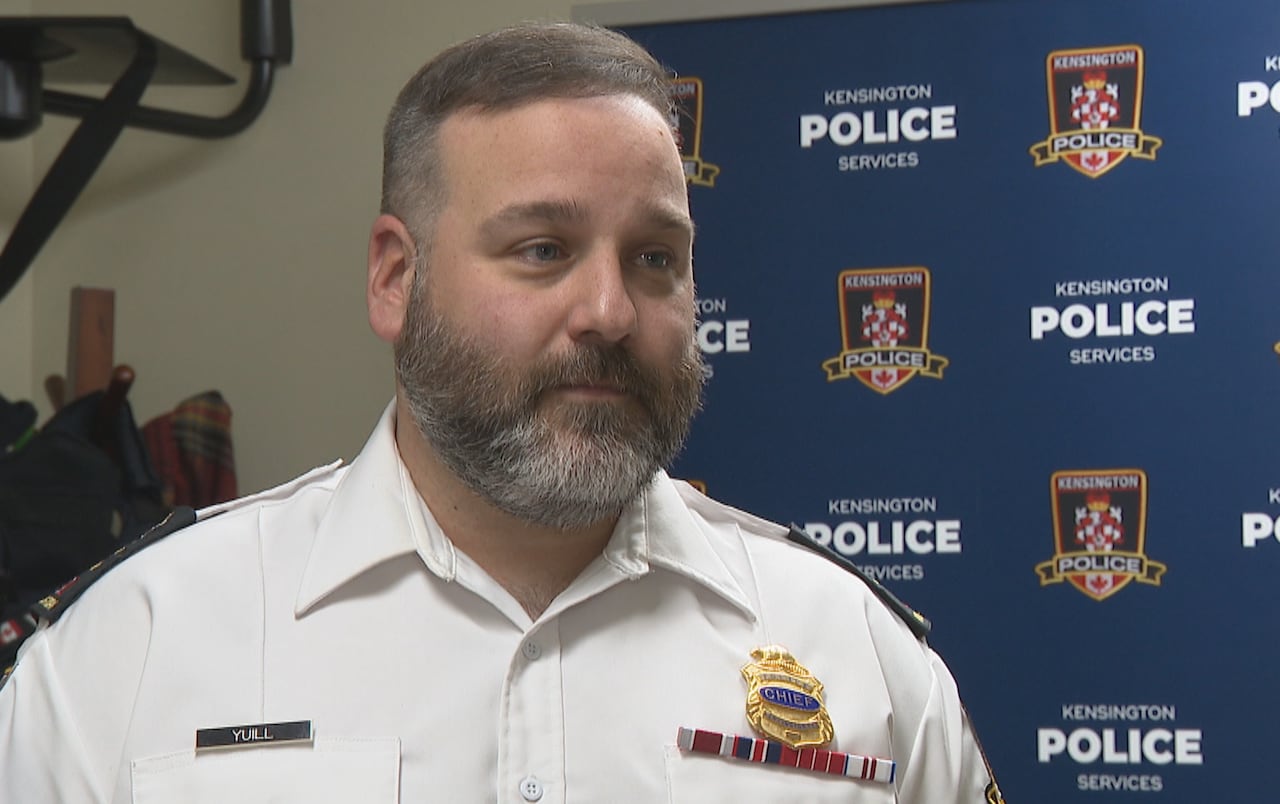 Kensington police Chief Landon Yuill welcomes the new policing standards. (CBC)
Some of the changes, Yuill said, will involve creating memorandums of understanding with partner policing agencies. That will help smaller police forces like Kensington’s meet requirements laid out in the standards.
Yuill added that the new framework will bring more consistency across police services on P.E.I., help build public trust and make it easier for officers to move between police agencies on the Island if they change jobs.
Next steps
Police agencies have until early March to submit an implementation plan to the Department of Justice and Public Safety. They will have up to 24 months to fully put those plans into action.
Connolly said the province will support police services throughout the process.
“There may be some policy work to be done to adhere to standards, and we’re more than happy to help each policing service out with that work,” Connolly said.
He added that the standards will evolve over time.
“In the policing world, whether it’s mental health, you know, opioid usage, things are constantly changing,” he said.
“We made the commitment that standards will change throughout time to address those issues.”