
Tasmania’s tourism industry says it remains opposed to an “unjust” short-stay accommodation levy, after the state government finally released draft laws for public consultation.
The Tasmanian government announced a 5 per cent levy on people who use short-stay accommodation, such as Airbnb and Stayz, during the 2024 state election campaign.
It was estimated the policy would raise about $11 million per year, which would help cover the cost of exempting first home buyers from paying stamp duty on existing homes.
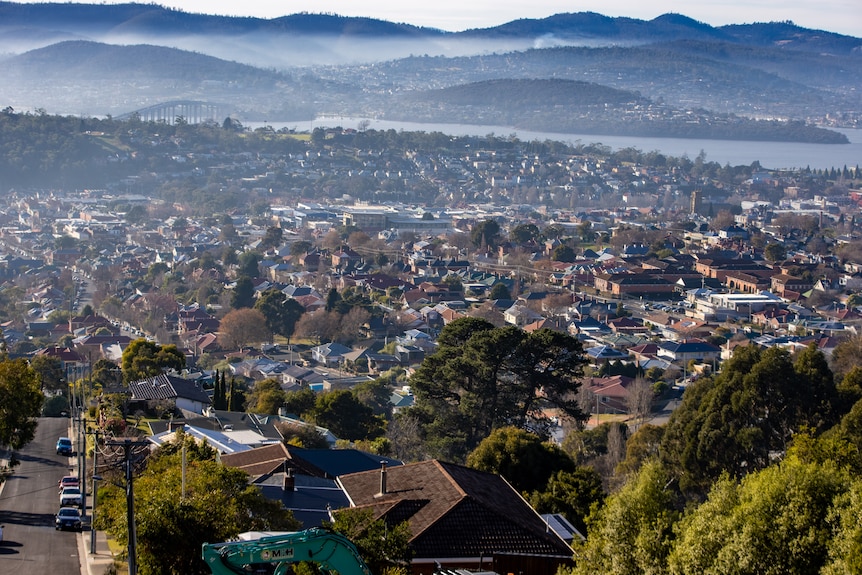
The short-stay levy was meant to pay for the stamp duty exemption for first-home buyers. (ABC News: Luke Bowden)
The exemption passed through state parliament soon after the election, but the government was slow to implement the revenue-raising short-stay levy, initially saying it wanted to monitor how a similar scheme went in Victoria first.
But after vowing to implement the levy by July 2026, the government has now released its draft legislation for consultation.
Hotels, B&Bs exempt
Treasurer Eric Abetz said the levy would not apply to people who stayed in hotels, pubs, bed and breakfasts or caravan parks.
“The levy will be paid overwhelmingly by interstate and overseas travellers, with an estimated 83 per cent of Tasmanian short stays used by interstate or overseas travellers,” Mr Abetz said.
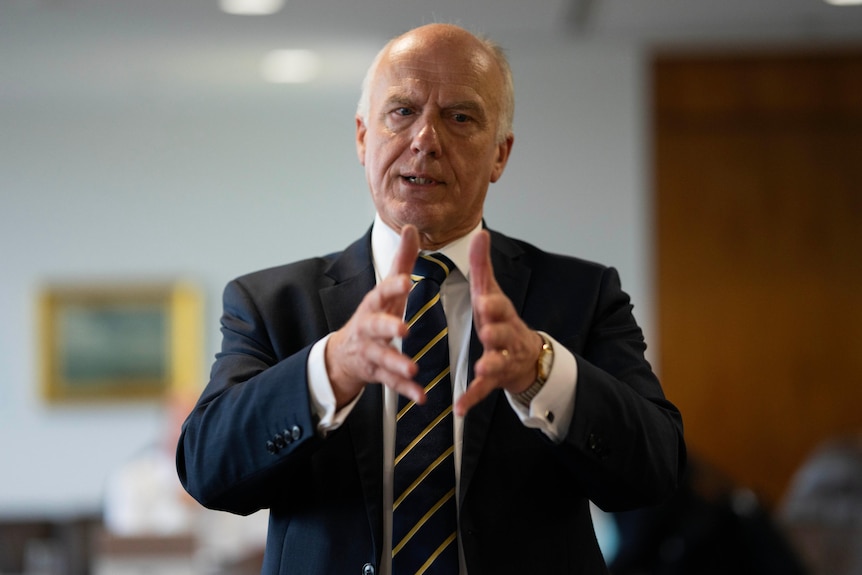
Treasurer Eric Abetz says only about 17 per cent of travellers using short-stay accommodation are Tasmanians. (ABC News: Maren Preuss)
Stayz senior director Eacham Curry said the company supports the short-stay sector “making a fair contribution, in recognition of the impact it has on the provision of government services”.
“Any levy should be set at a reasonable level, administered by the state, and applied uniformly to all short-term accommodation providers,” Mr Curry said.
Airbnb declined to respond.
‘Unjust’ levy only punishes short-stay homes, tourism council says 
Clint Walker says the levy does not apply evenly to all accommodation providers in the state. (ABC News: Monte Bovill)
Tourism Industry Council Tasmania said it remained opposed to the short-stay levy.
“There are a few gaps in it as far as we can see,” organisation chair Clint Walker told ABC Radio Mornings.
“This tax applies to only a very small subset of the visitor economy or the tourism accommodation sector, and on that alone we see that as unjust.
“We believe that the application of this tax isn’t fair and equitable and quite probably not the best way to address the problem, and particularly the housing problem.”
The organisation has argued the government should instead be focused on growing the tourism sector, rather than putting a tax on visitors.
Levy funds could go to council instead, mayor says
Hobart Lord Mayor Anna Reynolds told ABC Radio Breakfast she was supportive of the levy in principle, but wanted it to fund councils in regulating the short-stay sector.
“We know that for a lot of people buying homes is still out of reach and they just want better protections as renters and better access to long-term rental properties,” she said.
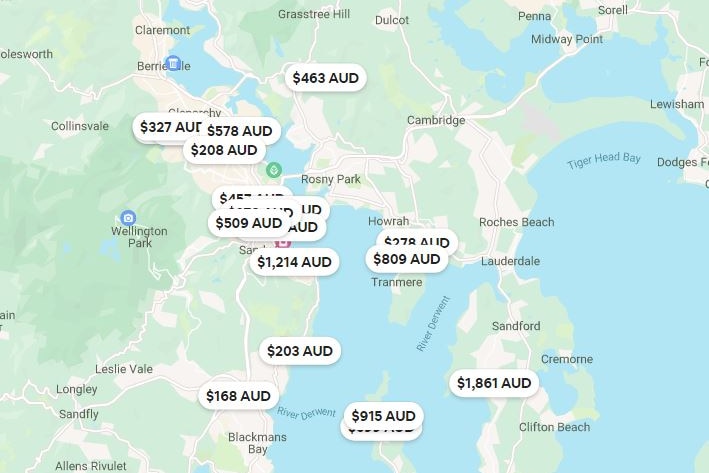
The council has been blocked from implementing its ban on turning more whole homes into short-stay accommodation.
“It’s sort of heading in the right direction but like a lot of things you could probably make it a little better.”
The Hobart City Council voted in 2023 to charge double rates to properties used for short-stay accommodation.
It also voted to ban new applications for whole homes to be used for short-stay accommodation, but has so far been blocked from implementing it.