
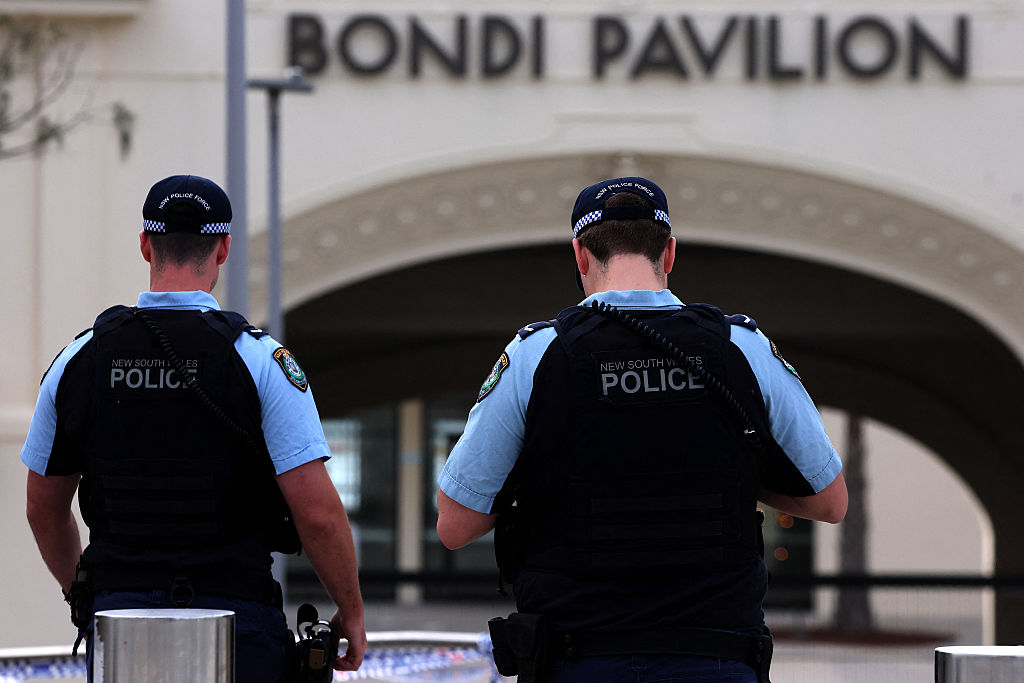
The events of 14 December have shocked Australia and its friends around the world. This shock, generated by the surprise attack on innocent Jewish Australians celebrating the first night of Hanukkah at Bondi Beach, will take some time for governments, and society as a whole, to work through. There will be inquiries and undoubtedly, multiple levels of intelligence, government and societal failure will be discovered.
This predisposition of many politicians to not challenge existing dogma has occurred throughout history.
But the larger lesson, if we can disconnect for a moment from the immediate human, political and societal debates in the wake of the massacre, is that surprise remains a central feature of the security environment. And as Roberta Wohlstetter describes in her book on the December 1941 Pearl Harbor attack, Pearl Harbor: Warning and Decision: “The possibility of surprise at any time lies in the conditions of human perception and stems from uncertainties so basic that they are not likely to be eliminated, though they might be reduced.”
A recent book by Yaakov Katz and Amir Bohbot, While Israel Slept, examines the roots of the surprise Hamas attack on southern Israel on 7 October 2023. Their research covers the days, weeks and years of decisions that created the conditions for Hamas to execute its murderous rampage through the kibbutzim and towns of southern Israel. Their book indicates that, like most surprises, there were many causes for what occurred on that awful day.
There was a failure of intelligence collection and assessments, and a failure in the resilience of defensive measures – both human and technological. There was a failure to understand the true nature of Hamas and an inability to appreciate the full extent of its vicious plans for Israel. Perhaps the most disastrous failure was the inability to challenge long-held political and strategic views, even when compelling evidence was available. Hamas’ preparations were long noticed by Israeli soldiers known as “observers”, or in Hebrew, tatzpitaniyot. As Katz and Bohbot describe in their book:
What happened in reality was that Hamas had put Israel to sleep, and the reports by the tatzpitaniyot simply did not match the conceptzia — a Hebrew word that every Israeli has learned since October 7 and which refers to the overarching conception and prevalent assessment within the IDF, the intelligence community, and the government of what Hamas was planning. Israel’s political and military leadership assumed that Hamas had been deterred and wanted quiet, and as a result, the leadership viewed everything through that prism. Anything that fell outside that line of thinking was either ignored or reinterpreted so it could match the conceptzia.
Israel is not alone in demonstrating political and strategic shortsightedness. Surprise is remarkably common. The report of the 9/11 Commission, conducted after the terrorist attacks on America on 11 September 2001, found similar foundations for why terrorists were able to find their way through the defences of the United States to execute their attacks. The report described a myriad of causes, and noted that:
The 9/11 attacks were a shock, but they should not have come as a surprise. Islamic extremists had given plenty of warning that they meant to kill Americans indiscriminately and in large numbers…The most important failure was one of imagination.
This predisposition of many politicians to not challenge existing dogma has occurred throughout history. And in the fullness of time, when all the inquiries into this event are complete, it will probably be one of the root causes of the massacre of innocents on Bondi Beach.
The fundamental questions that must be asked after events such as last Sunday’s attack are this: is this a one-off, are more surprises on the way, and might they be even worse? In thinking about these questions, it is worth reflecting upon another section of Wohlstetter’s book: “Surprise, when it happens to a government, is likely to be a complicated, diffuse, bureaucratic thing…It includes the inability of individual human beings to rise to the occasion until they are sure it is the occasion – which is usually too late.”
“The possibility of surprise at any time lies in the conditions of human perception and stems from uncertainties so basic that they are not likely to be eliminated, though they might be reduced.”
The key responsibility of state and federal governments in Australia now, beyond ensuring the safety of all citizens, is challenging the existing ideas or conceptzia about our domestic and national notions of resilience, cohesion, prosperity and security.
The resolve of our adversaries – and their desire to surprise us – remains unchanged and relentless. Preparing for this, and ensuring we have the time, resources and will to respond when we are surprised in the future, begins with open and honest conversations on hard topics between government and citizens. And the ability to tackle hard truths about ourselves.