
It was a Sunday afternoon in April 1996 when a lone gunman armed with semi-automatic rifles killed 35 people in the Australian tourist town of Port Arthur.
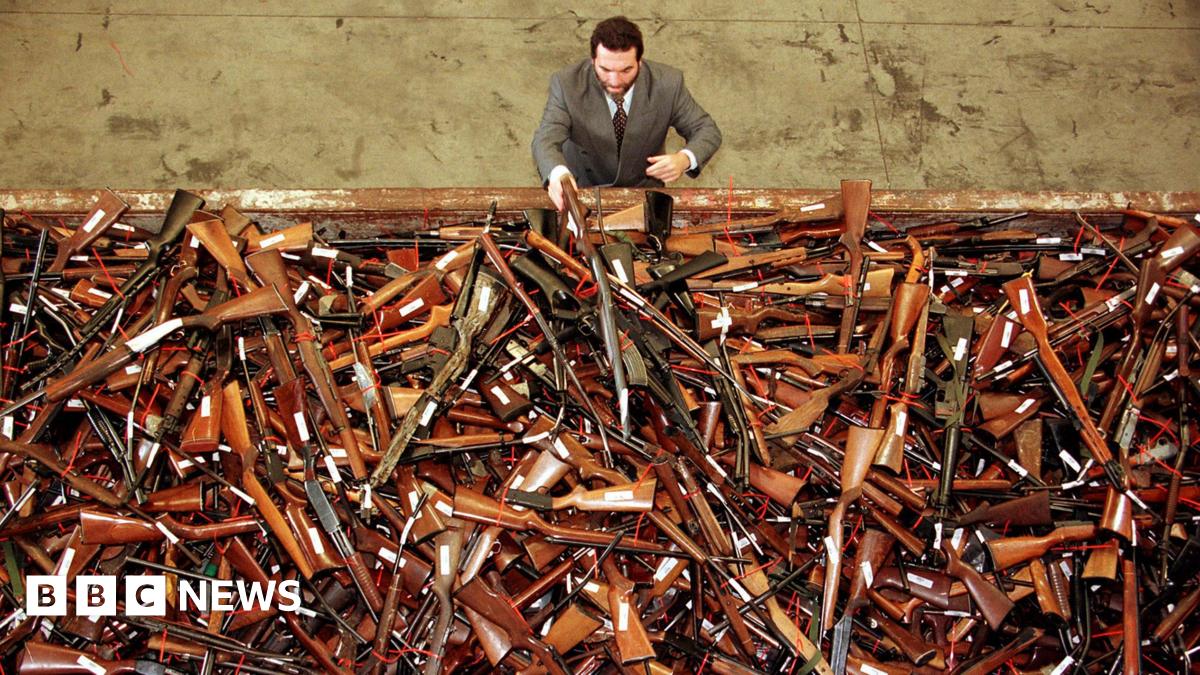
The massacre almost 30 years ago, which ushered in some of the strictest gun laws in the world, feels like a bygone age for many Australians.
But the Bondi Beach attack on Sunday, which left 15 dead, rekindled memories of the Tasmanian tragedy – none more so than for leading gun control advocate Roland Browne.
As the country’s deadliest modern-day mass shooting was unfolding an hour’s drive away, Mr Browne was meeting fellow gun control advocates at his home, ahead of a government meeting, to lobby for a ban on the exact type of firearm the Port Arthur gunman was using.
Mr Browne, 66, was again at home in Hobart on Sunday when he received news of the shooting at Bondi, targeting a Jewish event celebrating the first night of Hanukkah.
“There’s just a lot of similarities,” Mr Browne, who spent childhood summers in Bondi and still has family there, told the BBC.
“They’re both very public places frequented by tourists from around the nation and around the world.”
“It’s sickening and I’m bitterly disappointed in our political system whereby the voices for tighter gun laws and public health aren’t listened to until there’s a major event like this,” he added.
For decades, Australia has stood as a beacon on the world stage for its strict gun laws, he says, taking a similar path to the UK which experienced its own mass shooting in Dunblane, just one month before Port Arthur.
Even now, Mr Browne remains friends with relatives of some of the 17 victims – mostly children aged five and six – killed at a primary school in Scotland.
But despite being praised for its stringent gun laws, the reality in Australia is not clear-cut.