
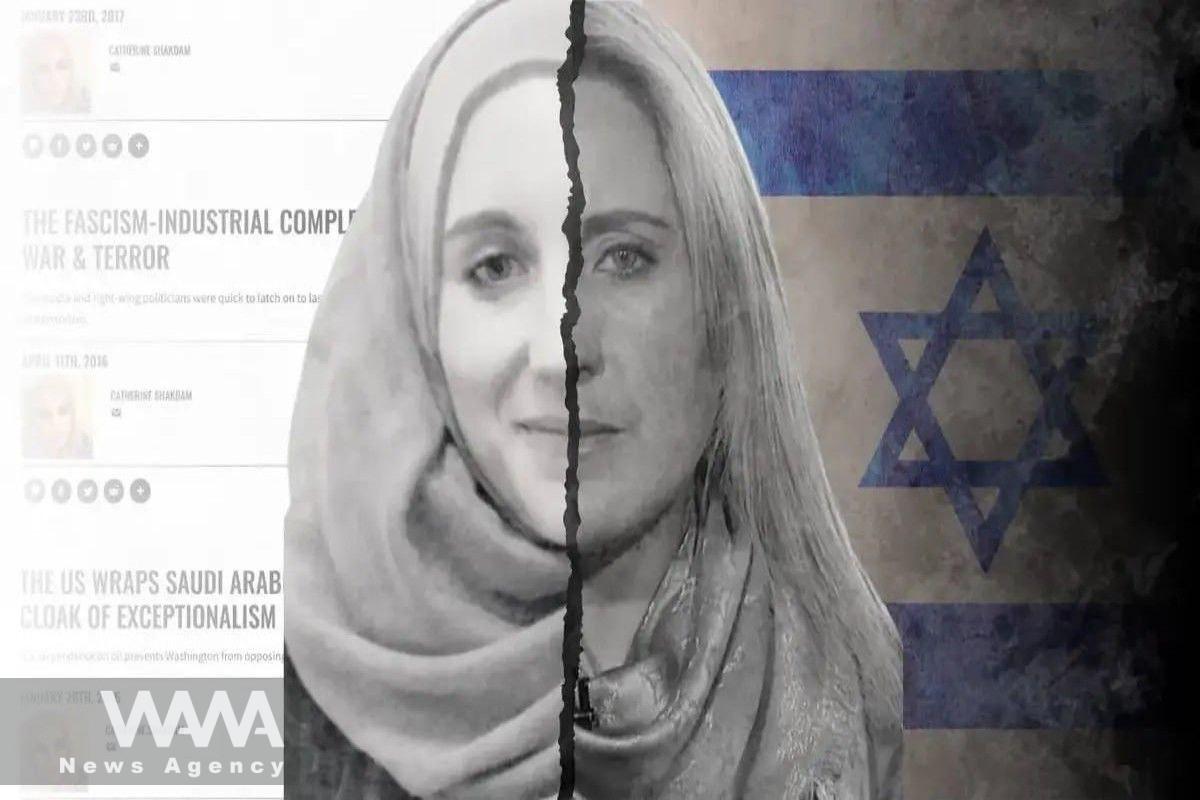
WANA (Dec 20) – Until recently, the name Catherine Shakdam was unfamiliar to much of the Iranian public. A Jewish woman, writer, and political analyst, she had spent years moving on the margins of Persian-language media, writing about the Middle East and occasionally presenting herself as a critic of Israeli policies or an advocate of dialogue with Iran. She was neither an influential figure nor a decisive voice in the media landscape.
Yet this seemingly minor name suddenly turned into a prominent headline in Persian- and Hebrew-language media alike—not because of the release of classified documents or the exposure of concrete intelligence, but following a highly publicized interview with a media outlet linked to Israel’s security establishment. The interview appeared less like a revelation and more like a nervous attempt at clearing accusations.
From the outset, the key question was simple: why did Shakdam suddenly matter?
When Shakdam left Iran, her initial interviews and public statements were neither aggressive nor sensational. She denied any unusual contacts, intelligence missions, or even rumors related to personal relationships, framing her story instead as a “change of perspective” and an “intellectual distancing.”
This position, while questionable, was at least media-palatable.
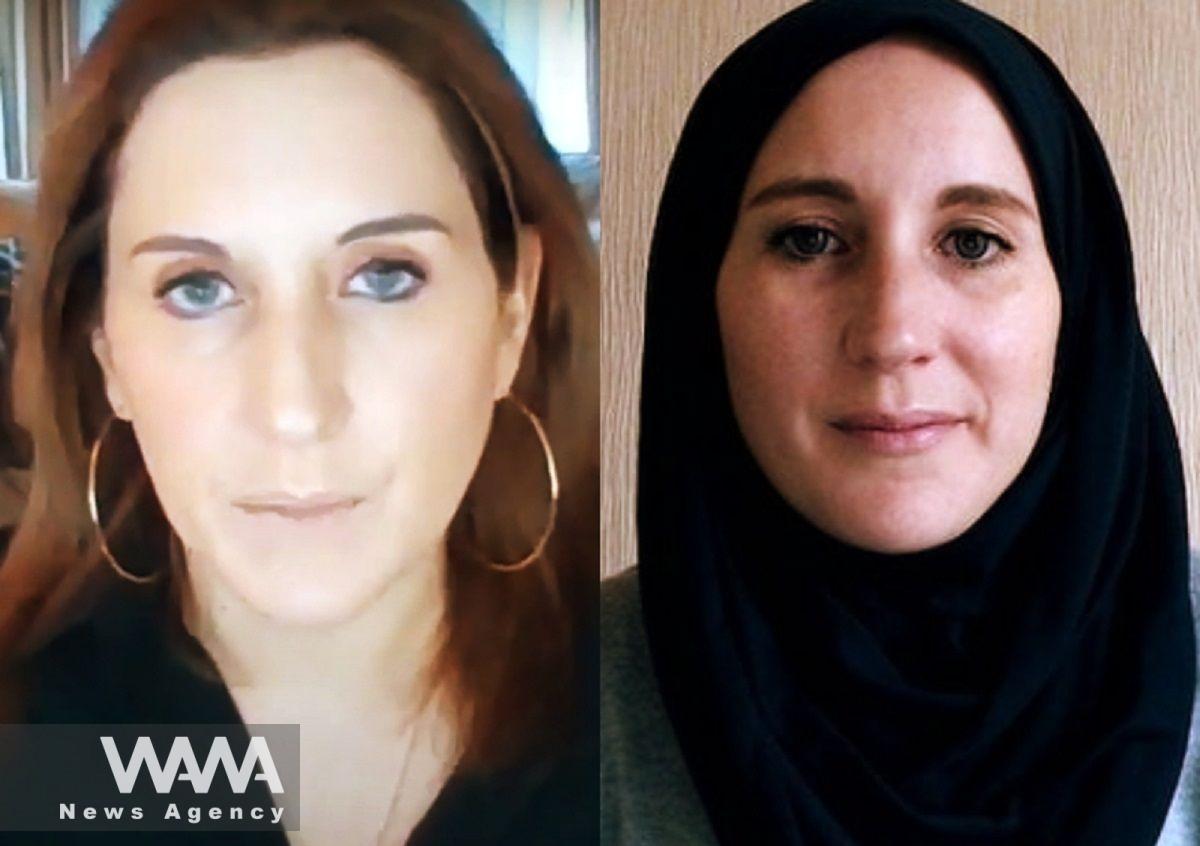
Catherine Shakdam a British analyst and journalist / WANA News Agency
Within Iran’s media space, early narratives about Shakdam were marked by caution. Jamshid Barzegar, a journalist and political analyst, stressed amid the speculation: “One must speak cautiously about Catherine Shakdam. She was in Iran for a short period, and many of the claims made about her are still undocumented and unverifiable.”
The story took a different turn when Mostafa Kavakebian, a former member of parliament, made an inflammatory and security-illogical claim that Shakdam had private relationships with more than 100 influential figures in the country—an allegation neither consistent with on-the-ground realities nor confirmed by any official institution.
These remarks provoked widespread backlash and ultimately led to legal action by the Tehran prosecutor’s office, resulting in a four-year suspended prison sentence and a two-year ban from media activity. Kavakebian was later forced to issue a formal apology. This trajectory made clear that many of the exaggerated narratives surrounding Shakdam were driven less by information than by media hysteria and carelessness.
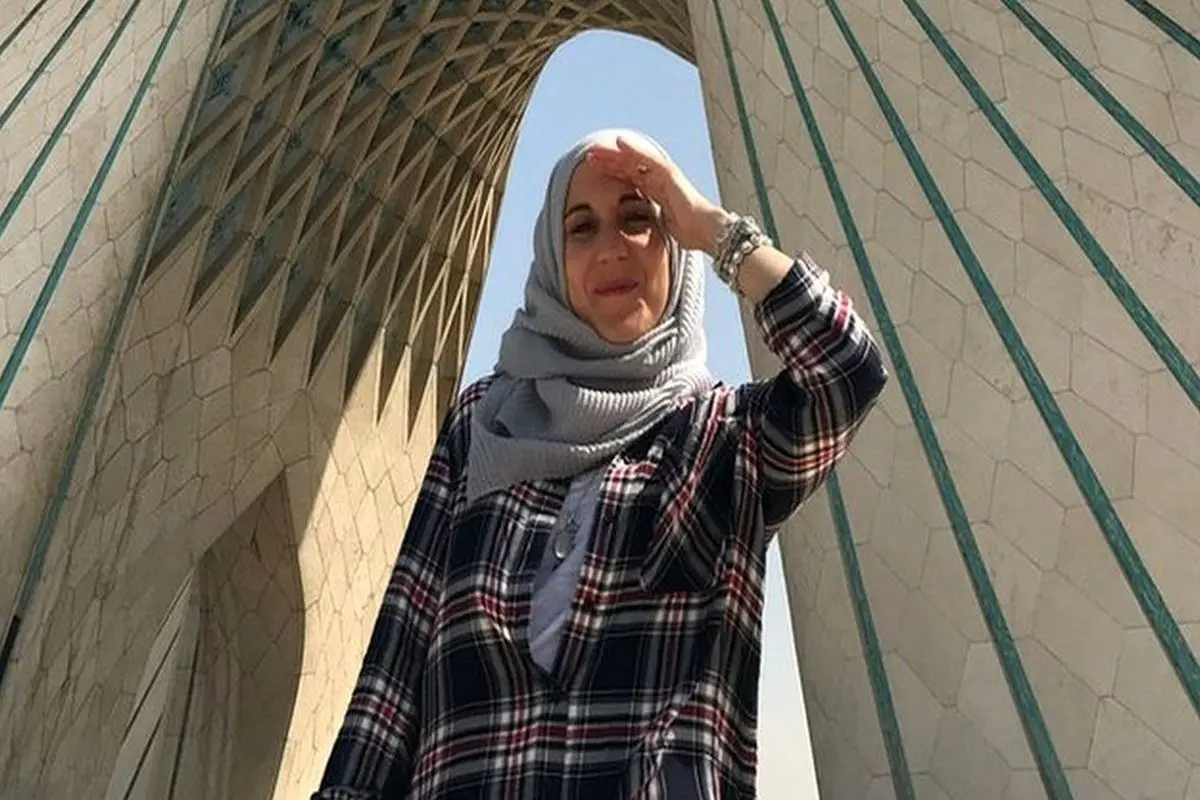 Did This Israeli Spy Sleep with 120 Iranian Officials?
WANA (Jul 13) – Few could have imagined that Catherine Shakdam, who had a relatively long history of producing anti-Zionist content, would herself be a Zionist spy. Years ago, Shakdam travelled to Iran as a newly converted British Muslim woman of Shia faith. In total, she stayed in Iran for only 18 days across five […]
Over time, however, as Shakdam moved closer to Israel’s media sphere, her tone changed. The narratives became more radical, the claims more sweeping, and her language overtly anti-Iranian and anti-Islamic.
This sudden shift looked less like a gradual revelation and more like the intensification of an unofficial interrogation—as if the interviews were designed not to inform the public, but to convince a skeptical audience. The turn suggested not an intellectual transformation, but pressure to prove loyalty.
Here lies the key point: the issue was Israeli doubt about Shakdam, not certainty that she was spying for Iran.
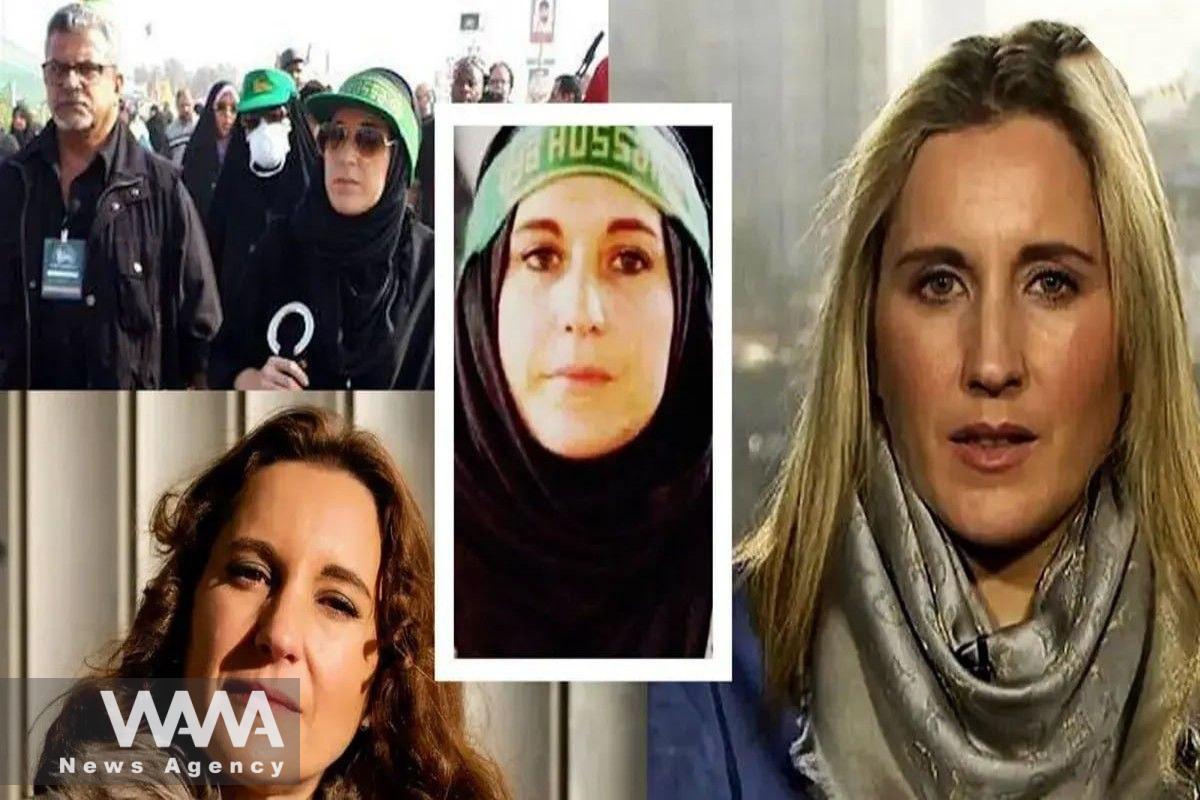
Catherine Shakdam a British analyst and journalist. Social Media / WANA News Agency
Israeli security institutions never fully trusted her. Even her anti-Iranian statements failed to eliminate suspicion, and the possibility of infiltration or a double game remained part of Israel’s security calculations.
Some Hebrew-language sources had previously reported that neither Shin Bet nor Mossad had reached a definitive conclusion that Shakdam was genuinely acting against the Islamic Republic. The possibility of reverse infiltration or an intelligence deception was seriously discussed. This doubt is the true starting point of the story.
The mistake of simplistic narratives is reducing the issue to whether she “was or was not a spy.” In intelligence terminology, an individual under suspicion often enters a process known as “contamination”—a condition in which the person, in an attempt to save themselves, resorts to extreme positioning and even self-destructive exaggeration.
Catherine Shakdam a British analyst and journalist / WANA News Agency
In this context, Shakdam’s recent interview with a Mossad-linked outlet cannot be seen as a normal conversation. What aired resembled a staged confession under psychological pressure. She had to go far enough, exaggerate enough, and present implausible narratives to prove that she was “not one of them.”
In cognitive warfare, there is a simple rule: a narrative that strays too far from reality not only loses impact—it turns against itself.
Shakdam’s statements fell squarely into this trap: claims of deep penetration into the highest levels, quasi-romanticized accounts, and exaggerated portrayals of Iran’s leadership that even many opponents of the Islamic Republic found implausible.
The claims were so detached from reality that the aura of ambiguity around Shakdam collapsed. She shifted from a shadowy, enigmatic figure into one whose story provoked doubt and ridicule rather than fear.
 How Israel Recruited Operatives Inside Iran
WANA (Jul 11) – In today’s complex world of intelligence warfare, classic methods of espionage are no longer sufficient. What may seem like harmless entertainment, environmental aid, or tools to bypass internet restrictions can, in fact, serve as gateways to espionage networks. Recent security investigations reveal that Israel has, in recent years, adopted indirect yet […]
Significantly, in Iran this interview caused neither shock nor security alarm. The dominant reaction was mockery. On Persian-language social media, the narrative was likened more to the plot of a Bollywood film than to an intelligence exposé. Narrative warfare only works when it at least creates doubt; here, not even doubt emerged.
From the Israeli perspective, the outcome was hardly better. If Shakdam was indeed an intelligence asset, this represented the worst possible use of such a resource: destruction of credibility, public ridicule, and the erosion of the symbolic weight of espionage. And if she was not a spy, what appeared was simply a display of pressure and anxiety.
Ultimately, this interview revealed less about Iran than about something else: the collapse of Shakdam’s mystique. A story meant to intimidate turned into satire.
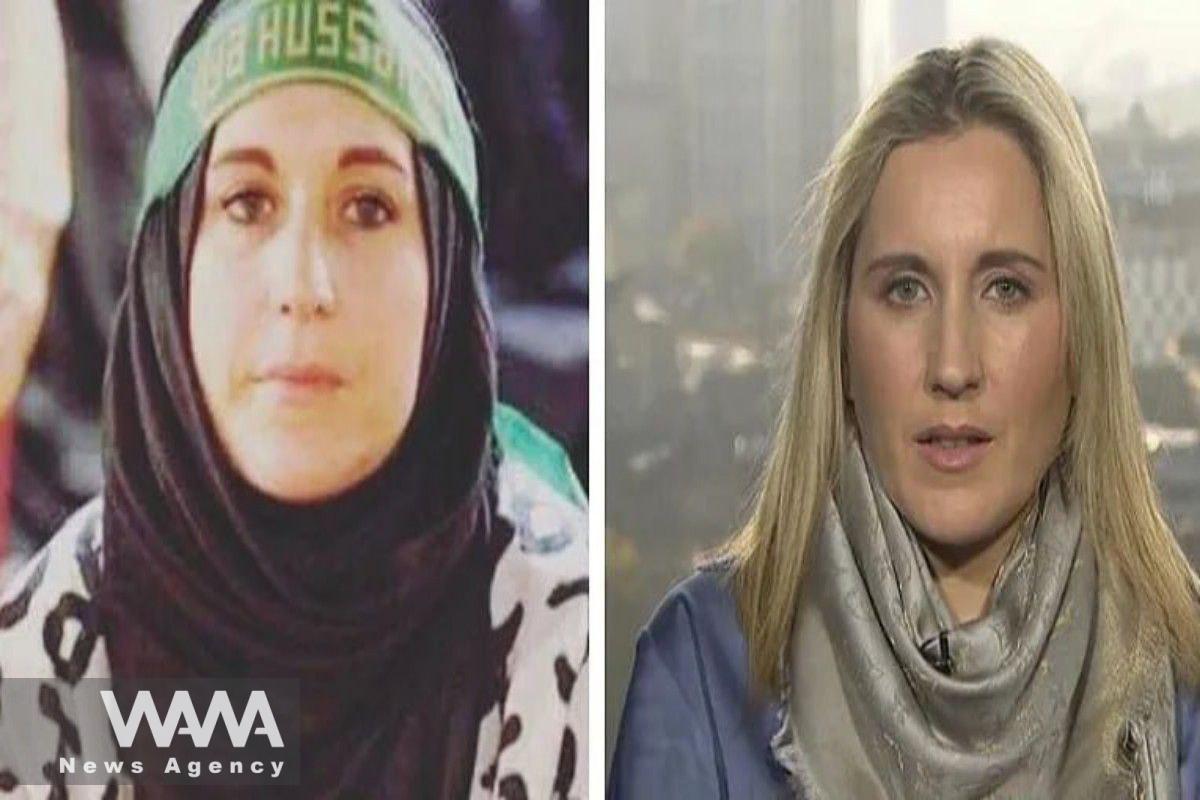
Catherine Shakdam: An Iranian Spy or an Israeli One?. Social Media / WANA News Agency
The Shakdam case must be viewed in a broader context—the post–12-day war phase, in which confrontation between Iran and Israel has shifted from the military battlefield to the realm of perception and narrative.
Israel, unable to impose a decisive victory, has been forced to emphasize cognitive warfare. Yet this shift has also created new vulnerabilities.
Over-constructed narratives generate distrust rather than fear. From this perspective, Shakdam’s interview was not part of a sophisticated operation, but a sign of the erosion of Israel’s psychological warfare tools in the face of Iranian public opinion.