
Israel has killed at least 1,700 healthcare workers, including specialists with advanced training and experience, alongside at least 565 aid workers. Israeli forces detained hundreds of others during raids, with dozens remaining in Israeli captivity under conditions that survivors say is defined by torture and neglect. United Nations experts term this systematic destruction of Gaza’s healthcare system as “medicide.”
Further, while aid delivery has increased since the ceasefire, albeit not to levels as stipulated in the deal, it is nowhere near enough to sustain, let alone rebuild, the health system. Health supplies constitute less than 6% of the aid that has entered Gaza since the ceasefire began. With few remaining health facilities and a medical community that has largely been either killed, imprisoned or displaced—coupled with an inadequate flow of medical supplies—Palestinians will continue to die of otherwise treatable and manageable health conditions.
At least 16,500 patients in the Gaza Strip require urgent medical evacuations but are forced to wait for Israeli approvals and acceptance by a host country. While at least 70,000 Palestinians have been killed and 171,000 injured, those continuing to die today due to inadequate medical care are also victims of Israel’s genocide—ceasefire or not.
The education system has been similarly brutalized, with more than 650,000 school-aged children out of school for more than two years. The U.N. Children’s Fund (UNICEF) estimates that Israel’s operations damaged or destroyed at least 97% of schools, with nearly all requiring either full reconstruction or major rehabilitation before being suitable for use. Every university lies in ruins, as Israel—alongside bombing them—employed burning and controlled demolitions to structures that remained, effectively employing a policy of medieval pillaging to render the sites unusable.
Israel’s operations have also killed, injured or displaced numerous professors and teachers. Similarly, many other institutions of culture, religion and heritage—including houses of worship, museums and libraries—are destroyed. As with the systematic destruction of the health sector, the totality of the attacks on education and culture in Gaza have been termed a campaign of “scholasticide” by experts. Thus far, no educational materials have been brought into Gaza since the start of the ceasefire, with absurd Israeli bans on items as simple as pencils.
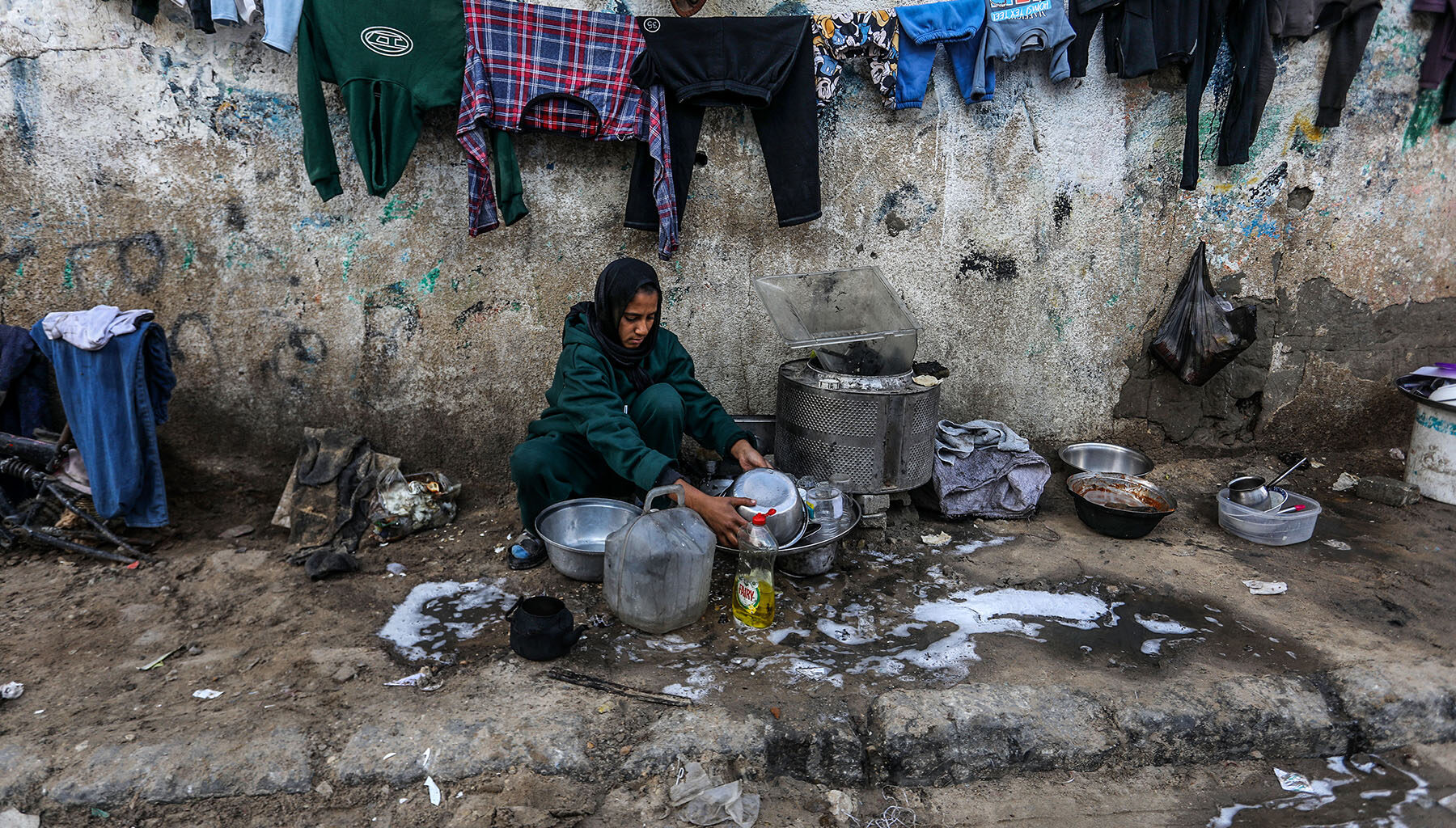
Other critical civilian infrastructure in Gaza—especially food, water and electricity infrastructure—has also fared poorly amid the Israeli assault. Israel has bombed greenhouses, farms, livestock, food production facilities and markets. Similarly, it has intentionally targeted water wells, desalination plants and water pumps, alongside an estimated 80% of the Strip’s electricity network and facilities. Critical infrastructure requiring electricity, including hospitals, remain heavily dependent on fuel to run the generators keeping them functional, although less than 1% of commodities entering Gaza since the ceasefire have included the valuable resource due to Israeli restrictions.