
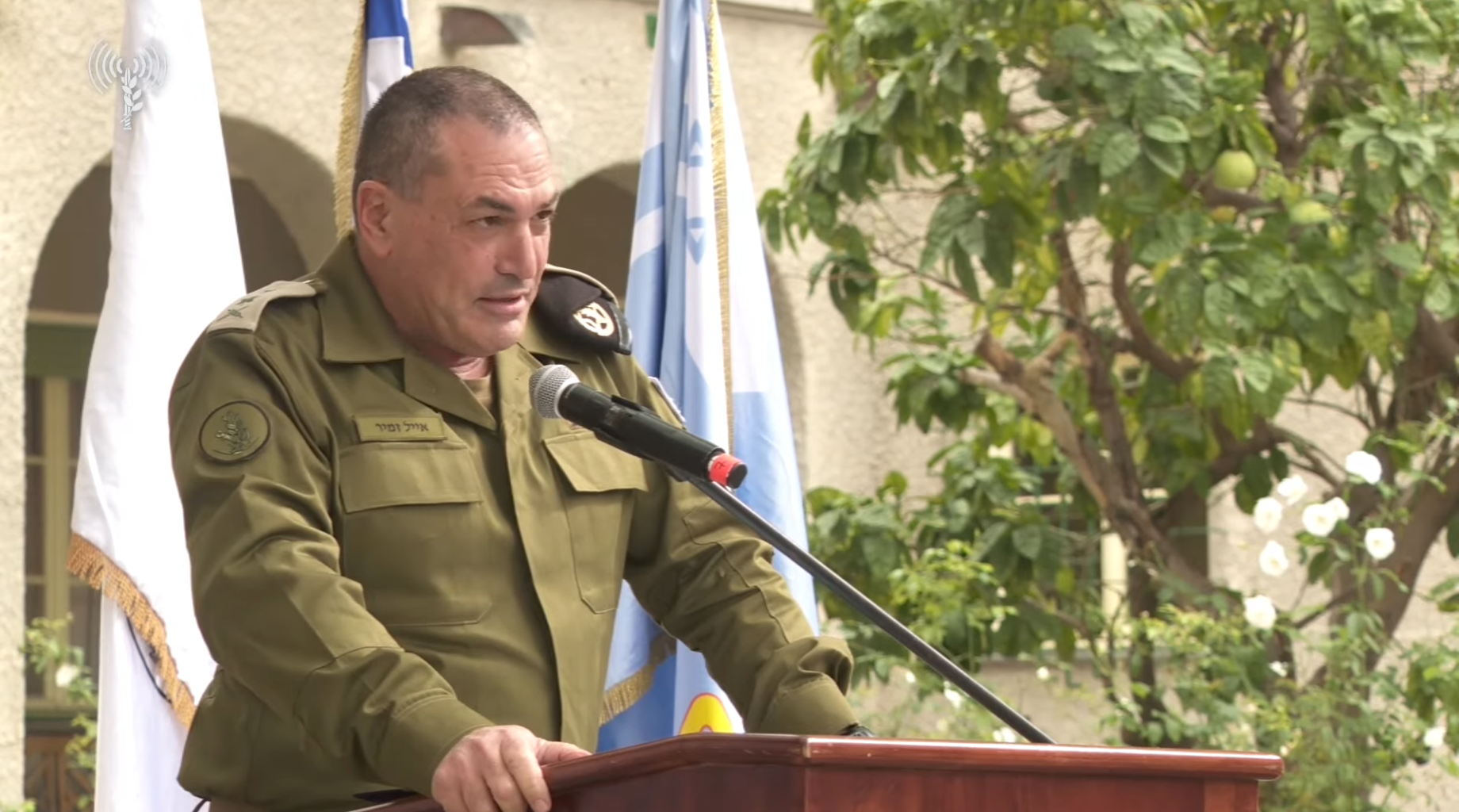
IDF Chief of Staff Lt. Gen. Eyal Zamir warned Sunday that the military will strike Israel’s enemies “wherever required, on near and distant fronts alike,” apparently hinting that Israel may again need to attack in Iran.
“At the center of the longest and most complex war in Israel’s history stands the campaign against Iran,” he said, in reference to the multifront war that erupted on October 7, 2023, with Hamas’s attack on southern Israel, and drew in Lebanon’s Hezbollah, Yemen’s Houthis, Iraqi militias and the Islamic Republic itself.
“Iran is the one that financed and armed the ring of strangulation around Israel and stood behind the plans for its destruction,” he said at a changeover ceremony for the head of the IDF Planning Directorate.
Zamir’s comments came a day after NBC News reported that Prime Minister Benjamin Netanyahu will present plans for a new potential attack on Iran to US President Donald Trump during his upcoming visit to Washington.
According to the report, which cited several unnamed officials with knowledge of the matter, Israel is growing increasingly concerned that Iran is rebuilding and even expanding its ballistic missile production in the wake of the nations’ 12-day war in June.
Get The Times of Israel’s Daily Edition
by email and never miss our top stories
By signing up, you agree to the terms
While Israel has publicly called Iran’s nuclear program an existential threat, officials quoted in the report said that the ballistic missiles were seen by Jerusalem as a more pressing concern. “The nuclear weapons program is very concerning. There’s an attempt to reconstitute. [But] it’s not that immediate,” a source with knowledge of Israel’s plans told NBC News.
“The threat of the missiles is very real, and we weren’t able to prevent them all last time,” another source said.
A source with knowledge on the matter, as well as former US officials, told NBC that Jerusalem believes Iran’s renewed production of ballistic missiles could increase to 3,000 per year if left unchecked.
Perhaps lending credence to Israel’s concerns, Iran’s Foreign Minister Abbas Araghchi claimed Sunday that the Islamic Republic had rebuilt its strategic facilities damaged in the Israeli assault in June. Speaking to Russia Today, Araghchi said his country was “fully prepared” for a new round of fighting if it comes.
“In fact, we have reconstructed everything that was damaged in the previous aggression. If they want to repeat the same failed experience, they will not achieve a better result,” he told RT, as reported by Iran’s ISNA news agency.
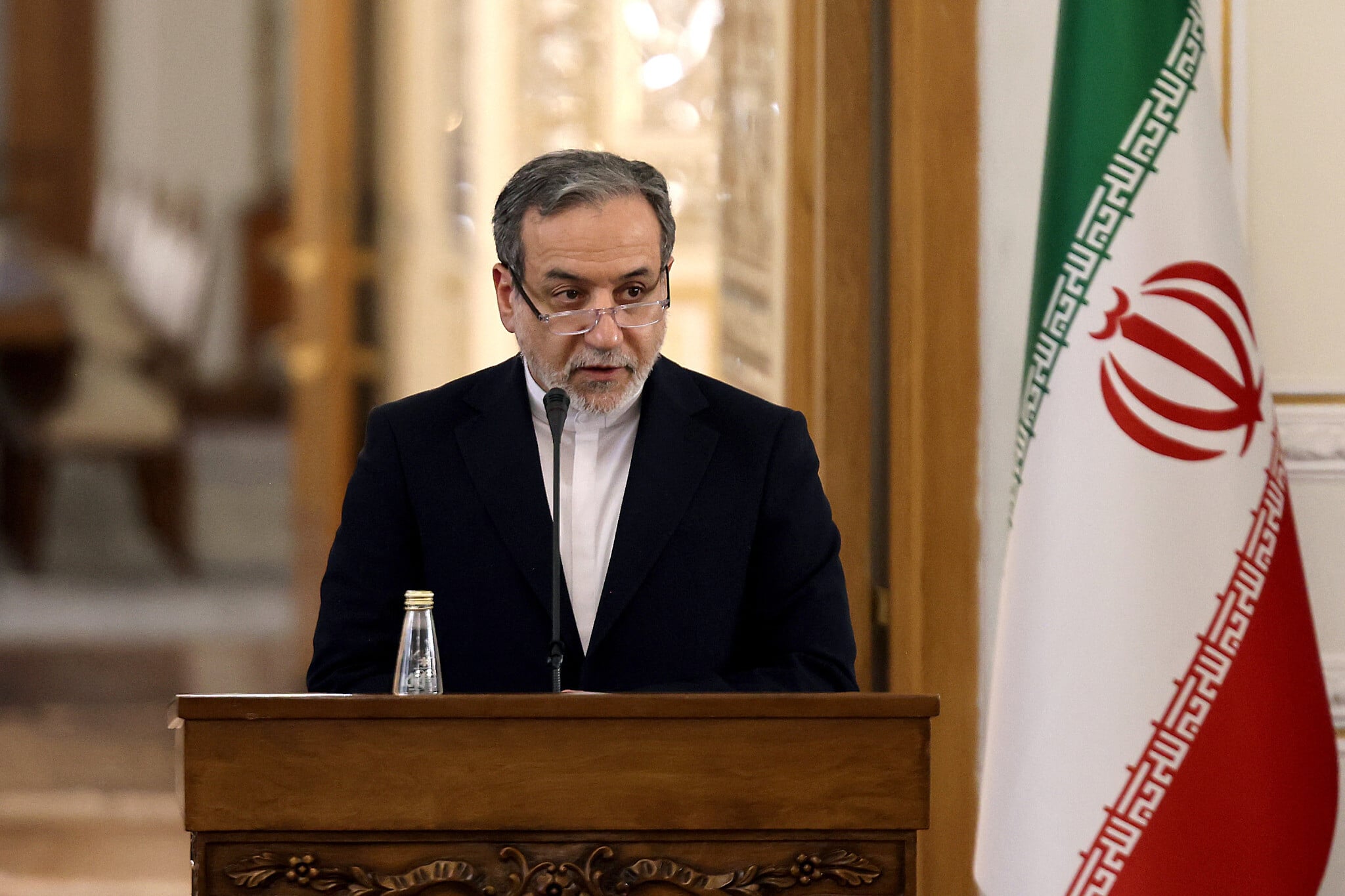
Iranian Foreign Minister Abbas Araghchi speaks during a joint press conference with Turkey’s foreign minister (not pictured), in Tehran on November 30, 2025. (Atta Kenare / AFP)
Araghchi added: “The reality is that our facilities have been damaged, and seriously so. But there is another reality, and that is that our technology remains intact, and technology cannot be bombed. Our determination and will also still exist. We have a completely legitimate right to the peaceful use of nuclear technology, including enrichment, and we want to use this right.”
The Iranian diplomat argued that Iran was willing to reach “a fair and balanced agreement” on its nuclear program, achieved through negotiation, but we are not ready to accept dictation.”
“We are prepared to provide full assurance that our program is peaceful and will remain peaceful forever. This is exactly what we did in 2015,” he said.
Iran, which regularly calls for the destruction of Israel, has consistently denied seeking to acquire nuclear weapons. However, it has enriched uranium to levels that have no peaceful application, obstructed international inspectors from checking its nuclear facilities, and expanded its ballistic missile capabilities. When the war began, Israel said Iran had recently taken steps toward weaponization.
Israel launched its war against Iran in June, targeting the Islamic Republic’s nuclear and ballistic missile programs, and citing an imminent existential threat to the Jewish state.
Over 12 days, successive waves of airstrikes killed Iranian nuclear scientists, took out much of the supply and production capacity for the missile program, and damaged uranium enrichment sites, with the US joining in the last days to take out underground nuclear facilities that only heavy bunker-buster bombs could penetrate.
Iran said over 1,000 people were killed by Israeli strikes in the war. It retaliated by launching over 500 ballistic missiles and around 1,100 drones at Israel, which killed 32 people and wounded over 3,000 in Israel, according to health officials and hospitals.
In all, Israel suffered 36 missile impacts and one drone strike in populated areas, causing damage to 2,305 homes in 240 buildings, along with two universities and a hospital, and leaving over 13,000 Israelis displaced.
You appreciate our journalism

You clearly find our careful reporting valuable, in a time when facts are often distorted and news coverage often lacks context.
Your support is essential to continue our work. We want to continue delivering the professional journalism you value, even as the demands on our newsroom have grown dramatically since October 7.
So today, please consider joining our reader support group, The Times of Israel Community. For as little as $6 a month you’ll become our partners while enjoying The Times of Israel AD-FREE, as well as accessing exclusive content available only to Times of Israel Community members.
Thank you,
David Horovitz, Founding Editor of The Times of Israel