
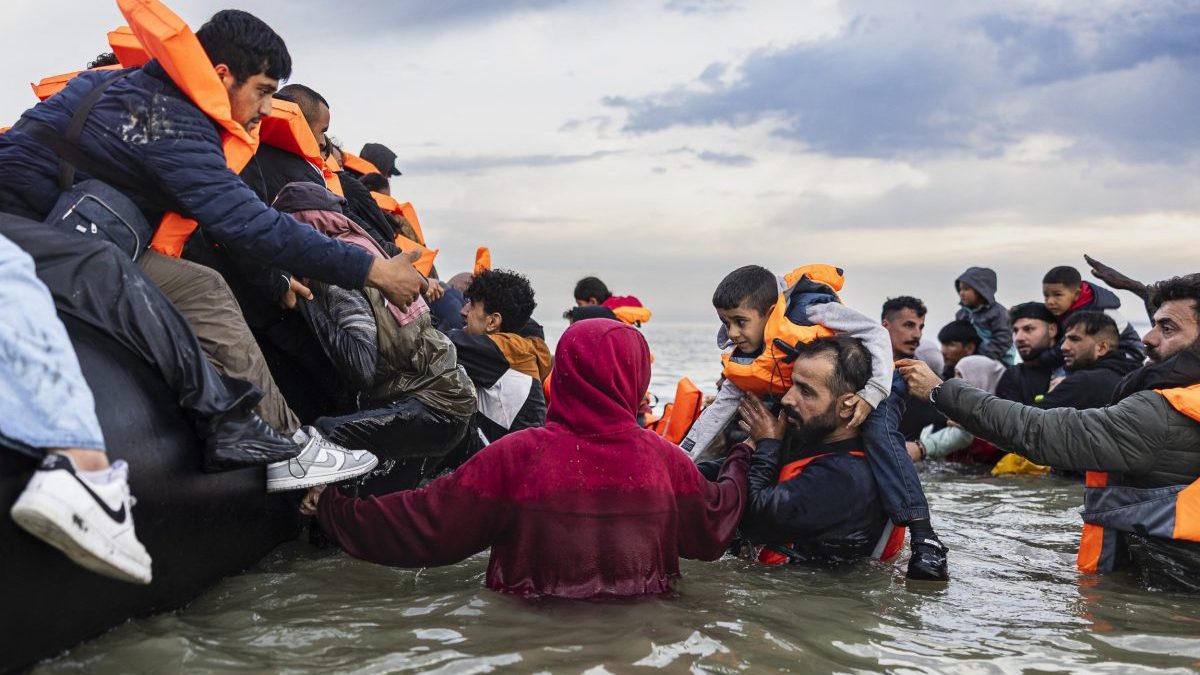
More than 41,000 people have now crossed the English Channel in small boats this year, after a sharp rise in arrivals over the weekend added fresh urgency to the Government’s efforts to curb crossings.
Home Office figures show that 803 people made the journey in 13 boats overnight on Friday and into Saturday.
It was the highest daily total since 8 October, when 1,075 people arrived, and appears to be the largest number recorded on a single day in December since comparable records began in 2018.
The latest crossings bring the provisional total for 2025 to 41,455 people. Border Force vessels were seen escorting small boats into Dover on Saturday morning following incidents in the Channel, after multiple launches were reported from the French coast overnight.
The annual figure is already well above last year’s total of 36,816 crossings, though it remains below the record of 45,774 arrivals recorded in 2022.
Nearly 20,000 people arrived in the first six months of this year alone, an increase of 48 per cent compared with the same period in 2024.
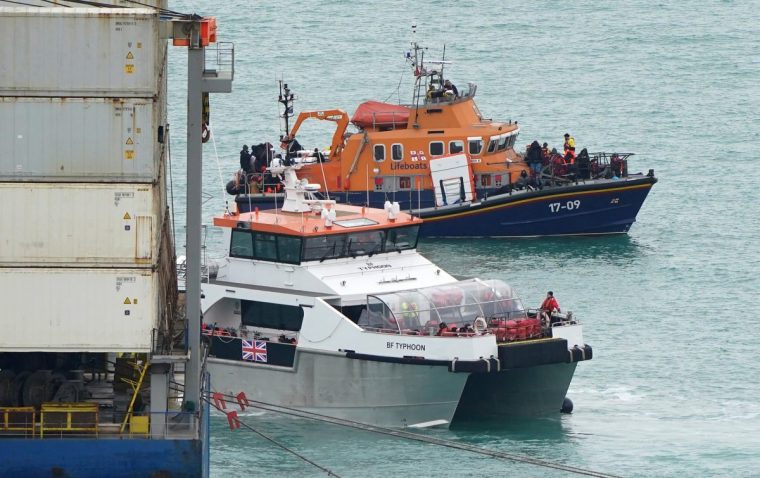 A group of people thought to be migrants are brought in to the Border Force compound in Dover, Kent on 20 December (Photo: Gareth Fuller/PA)
The figures land amid sustained political pressure on Labour over small boat crossings, with Reform UK continuing to make border control a central plank of its appeal.
The party has remained significantly ahead of Labour in the polls since the start of the year, with a recent survey by YouGov putting Reform on 28 per cent, compared with 18 per cent for Labour and 17 per cent for the Conservatives.
What is being done to stop small boat crossings?
To tackle rising concern around illegal immigration, the Government has begun implementing the Border Security, Asylum and Immigration Act, which received Royal Assent on 2 December.
The legislation introduced new criminal offences linked to people smuggling, including penalties of up to 14 years in prison for supplying or handling small boat components, alongside expanded surveillance powers for police and immigration officers.
The Government is also pursuing a fundamental shift in the asylum system, replacing the automatic route to indefinite leave to remain with a temporary protection model.
Refugees are now subject to reviews every 30 months, with longer waits of up to 20 years for permanent settlement, or 30 years for those who arrived illegally, including by small boat.
Ministers have also highlighted progress on the “one in, one out” returns agreement with France, under which some small boat arrivals can be sent back across the Channel in exchange for the UK accepting an equal number of asylum seekers with strong family ties.
The scheme is operating as a pilot. The first return took place in September, and the Home Office confirmed by early November that 94 people had been returned under the arrangement.
Why are crossings continuing?
The surge follows weeks of limited Channel activity earlier this month, after French authorities began trialling more assertive maritime interception tactics.
Home Office data showed there had been 28 consecutive days without a successful crossing to UK waters up to 12 December, the longest such period since small boat arrivals began in 2018.
However, the charity Utopia 56, which operates along the Calais and Dunkirk coast, warned earlier this month that the presence of French police boats intercepting vessels at sea could increase risks for those attempting the crossing.
Amelie Moyart, a communications coordinator for the group, told The i Paper that while police had previously focused on stopping launches from beaches, “now there are three boats from the police in the water that can intercept people”.
She described the shift as “really dangerous”, adding: “They are going to want to escape the police, so they will take more risks.”
The rise in crossings has coincided with prolonged periods of calmer weather. The Met Office has described 2025 as an “unprecedented season of warmth”, with stiller seas increasing the number of days when small boats can attempt the journey.
Your next read

However, longer-term factors have also been cited. Speaking in July, Dr Peter Walsh, a senior researcher at the University of Oxford’s Migration Observatory, said weather patterns did not explain sustained increases in arrivals.
“We don’t find it a persuasive explanation of longer-term trends,” he said, arguing that people who have already travelled long distances are more likely to wait for suitable conditions than abandon attempts altogether.