

Listen to this article
Estimated 4 minutes
The audio version of this article is generated by AI-based technology. Mispronunciations can occur. We are working with our partners to continually review and improve the results.
Every year hundreds of seniors pass through the doors of Vancouver’s Union Gospel Mission (UGM) in the Downtown Eastside.
But since the COVID-19 pandemic, the number of seniors accessing the shelter’s services has been steadily increasing.
Pre-pandemic, roughly one-quarter of people staying at the shelter were over the age of 55, according to UGM. Post-pandemic, that’s grown to one-third.
And as the population ages, their needs become more complex.
“If you’re in your 60s or 70s and have hip issues or maybe have had a knee replaced, staying on a mat on the floor isn’t actually possible,” said UGM spokesperson Nicole Mucci.
In November, for the first time in the organization’s history, home-care aid workers started making weekly visits to the shelter to help seniors with basic tasks like taking a shower.
WATCH | Meeting the needs of homeless seniors: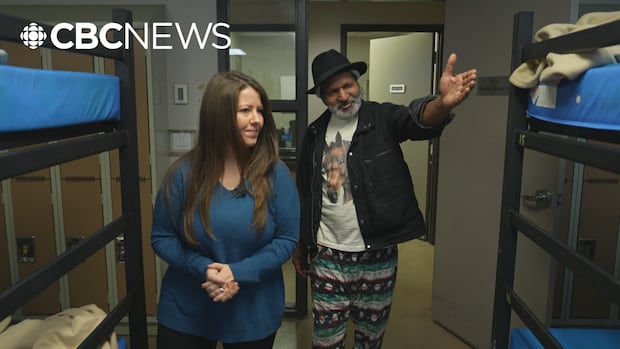
Vancouver homeless shelter adapting to rise in seniors
For the first time, home-care workers are providing weekly support to elderly unhoused people staying at the Union Gospel Mission in Vancouver’s Downtown Eastside. CBC’s Tanya Fletcher visited the shelter and caught up with seniors who call it home.
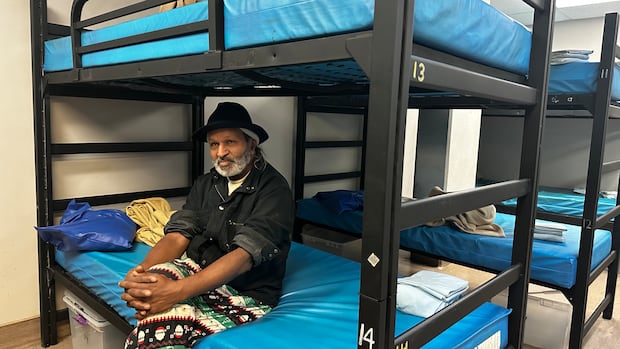
UGM has had to adapt logistically by providing more specialized care, including more accessible washrooms with lower sinks, and making sure lower bunks are available for those with mobility issues.
Providing specialized care, however, has an impact on the shelter’s resources and its ability to care for others.
“We’re not actually a seniors care facility — we’re meant to be an emergency stop-gap,” Mucci said.
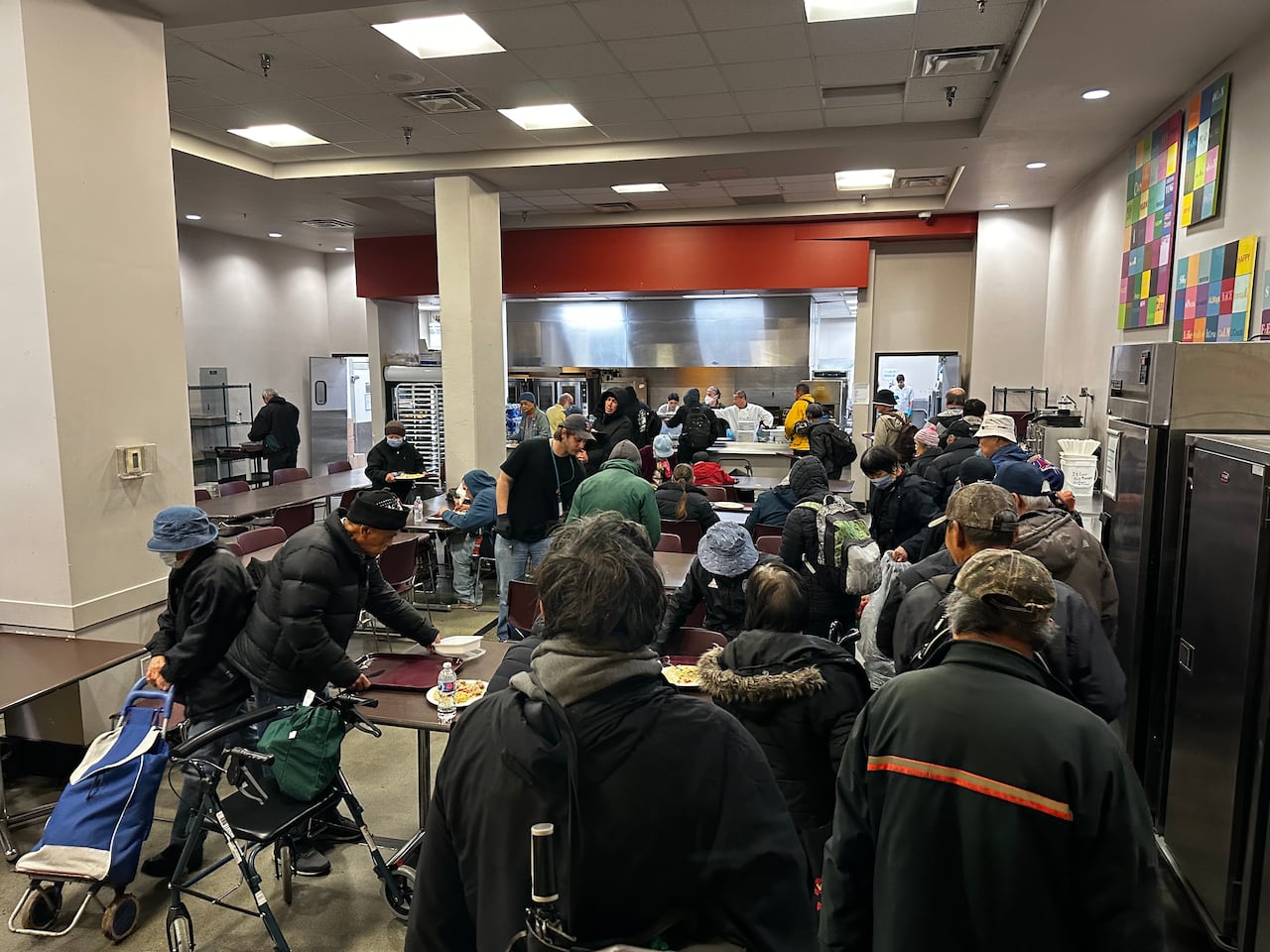 The Union Gospel Mission says it has had to adapt by providing more specialized care for older people staying at the shelter. (Tanya Fletcher/CBC)Priced out of everything
Mohinder Singh Kuhn Kuhn calls UGM home these days. The 68-year-old wound up on the streets after health issues led to an extended hospital stay, and left him behind on rent. He was evicted. Now, he’s left with his pension, and little else.
“With my pension I could get a place for, say, $1,100 somewhere — but then what am I supposed to live on, a few hundred dollars a month for everything else?”
Kuhn Kuhn says many seniors are struggling to make ends meet on a fixed income, outpaced by the cost of living.
“They’re priced out of everything, even renting an apartment,” he said. “Every time they go to the store, every month or two months, the price of something has gone up 10 cents,” he said.
The Consumer Price Index shows B.C. has outpaced Canada twice in the past three years, meaning British Columbians are paying more for goods than elsewhere in the country.
A 2024 report from B.C.’s Seniors Advocate found one-third of seniors in the province are living on less than $27,000 per year. The report also said seniors on fixed incomes are disproportionately affected by the high cost of living and are unable to absorb rising prices.
Population on the rise
Across the country, the number of unhoused seniors is increasing, said Laura Tamblyn Watts, CEO of CanAge, a national seniors advocacy group.
“Seniors homelessness is bad now, and it’s about to get much worse.”
CanAge cites federal data that shows the number of seniors relying on shelters rose by roughly 47 per cent from 2021 to 2024.
“This [includes] older people who own their own houses or who’ve had stable rentals who are now finding they can’t keep up with the costs or they have additional health needs, and where they’re living doesn’t suit, but they can’t find appropriate accommodation either,” she said.
“We’ve seen a sharp increase in the everyday costs of goods and services,” she added. “Older people simply can’t make ends meet on fixed incomes.”
A growing number of elderly people are also relying on food banks. According to a 2025 report from Food Banks Canada, 8.3 per cent of users are seniors, up from 6.8 per cent in 2019.
Looking ahead, Tamblyn Watts says governments need to prioritize robust housing policies tailored to Canada’s aging population.