
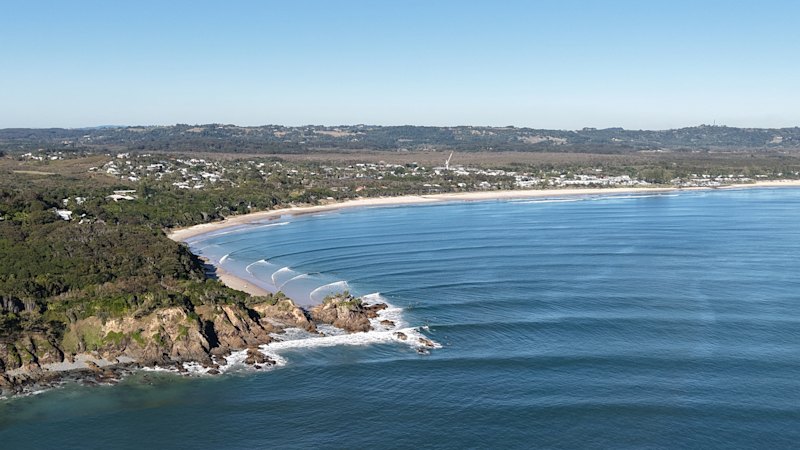
The national average hold period for properties was nine years, she said, but in Kiama, owners who made a profit typically held on to their homes for 11.7 years. For Byron, it’s 11.4 years and 10.3 years on the Surf Coast.
PRD chief economist Diaswati Mardiasmo said seasonal beach towns had become more expensive, but might look attractive to sea-changers selling their capital city homes after this year’s rate cuts.
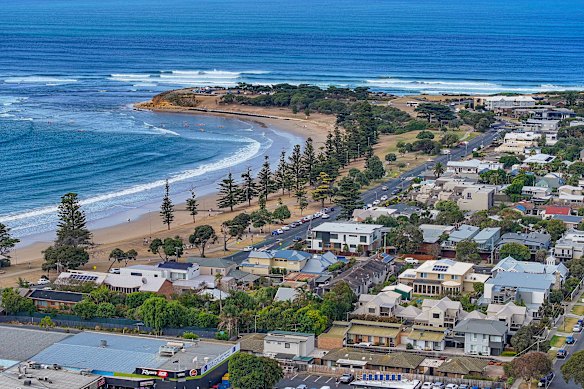
Sellers in the Surf Coast Shire, which includes the town of Torquay, make large median profits.Credit: Joe Armao
“With the cash rate cuts that we’ve had, it’s made those types of properties more affordable and more attractive, so we do have more investors and more buyers taking advantage of the interest rate cuts to be able to get into these markets,” Mardiasmo said.
“We do see the transfer of people who used to live in Sydney selling in Sydney and going to Noosa, because you still have that bang for buck even though it’s expensive for the locals.”
Elsewhere, the research also found high levels of profitability in blue-chip inner-city neighbourhoods.
Loading
Woollahra Municipal Council in Sydney recorded a median profit of $630,000 in the September quarter, over a median hold period of 12.3 years.
In Melbourne, sellers in Bayside City Council, which includes pricey suburbs Brighton, Hampton and Sandringham, made a typical profit of $621,500 over a typical hold period of 13.4 years.
Cotality’s Owen described these areas as blue-chip, desirable and tightly held, and said they made up some of the most expensive pockets in Australia.
“[It’s] the tightly held nature of these areas and until recently, a lack of initiative around developing properties in these areas, that created a scarcity and sensitivity to interest rates over time,” she said.
Governments in both states have been pushing to increase density and increase the supply of homes. The NSW government plans a new train station in the suburb of Woollahra and as many as 10,000 new homes nearby. The Victorian government is planning new activity centres allowing apartment towers up to 12 storeys high for Brighton’s Church Street, Bay Street in North Brighton and Bay Road in Sandringham.
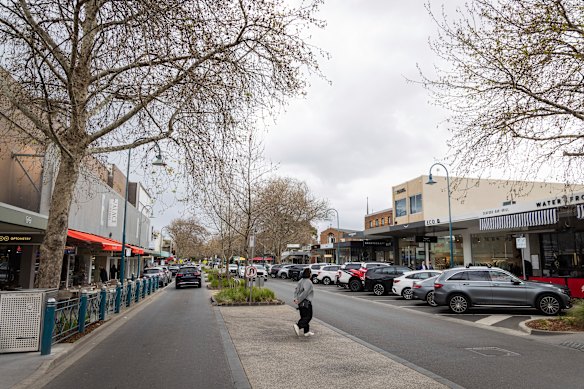
Church Street, Brighton. The Victorian government is planning to allow 12-storey residential buildings in the area.Credit: Paul Jeffers
Owen thought the resale figures might be affected during the development process.
“Longer term, if you increase the density and supply of these markets, you create cheaper housing options that may see less resale returns,” she said.
“But while we’re in the process, it’s fair to say that a lot of sellers could be getting windfall gains as well, related to the sale of larger blocks that are then upzoned.”
Mardiasmo agreed areas like Woollahra and Bayside were blue-chip areas that had become more attractive.
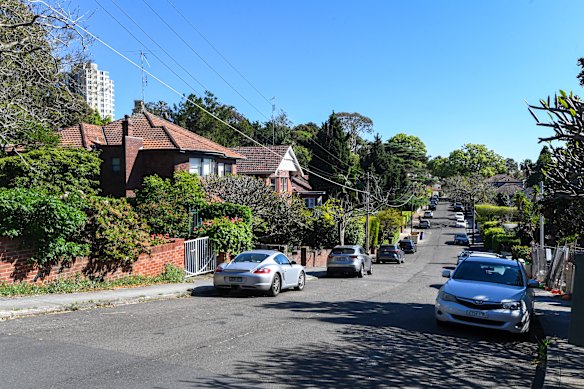
The NSW government plans to build a new train station in the Sydney suburb of Woollahra.Credit: Peter Rae
“They really react to interest rate, cash rate changes. When the cash rate gets cut, and they seem to be more affordable, people go into them in droves,” she said, adding that buyers might opt out when the cash rate was lifted instead.
Further afield, The Hills Shire in Sydney’s north-west banked a median profit of $682,500.
The research found 95.5 per cent of homes in Australia that changed hands in the September quarter traded at a profit, the highest share of profit-making sales since July 2005. The median gain made by sellers reached a record high of $335,000 in the quarter.