
This represents an average of five trucks per day, compared with the agreed 50.
“This means the occupation has complied with only 10 percent of the agreed fuel quantities,” the office said, warning that the shortage has left hospitals, bakeries, and water and sewage facilities “almost completely out of service” and intensified civilian suffering.
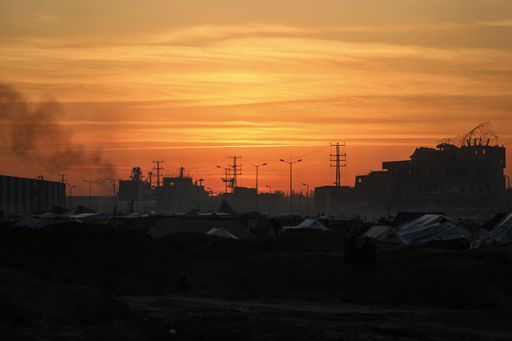
The media office warned of a “deep and unprecedented humanitarian crisis” in Gaza, saying Israel refuses to open crossings or allow the entry of tents, mobile homes, caravans, and other shelter materials.
It said these restrictions amounted to “a blatant violation of the agreement and international humanitarian law.”
According to the statement, Israel’s “arbitrary policies” have contributed to the collapse of 46 damaged buildings during recent winter storms, resulting in the deaths of 15 Palestinians.
The office called on mediators and the international community to ensure the immediate and safe flow of humanitarian aid and fuel, and to allow the entry of shelter materials as outlined in the ceasefire agreement.
It said such steps were essential to confront what it described as an escalating humanitarian disaster in Gaza.