
Your support helps us to tell the story
From reproductive rights to climate change to Big Tech, The Independent is on the ground when the story is developing. Whether it’s investigating the financials of Elon Musk’s pro-Trump PAC or producing our latest documentary, ‘The A Word’, which shines a light on the American women fighting for reproductive rights, we know how important it is to parse out the facts from the messaging.
At such a critical moment in US history, we need reporters on the ground. Your donation allows us to keep sending journalists to speak to both sides of the story.
The Independent is trusted by Americans across the entire political spectrum. And unlike many other quality news outlets, we choose not to lock Americans out of our reporting and analysis with paywalls. We believe quality journalism should be available to everyone, paid for by those who can afford it.
Your support makes all the difference.Read more
Civil service hopefuls will have their fates decided by their parents’ jobs under a shakeup aimed at recruiting more staff from working class backgrounds.
The government will tighten eligibility criteria for Whitehall internships as part of a broader push to make the civil service more representative of the working class.
The main Whitehall internship scheme will be limited to students from “lower socio-economic backgrounds” and based on which occupations their parents held when they were 14.
open image in gallery
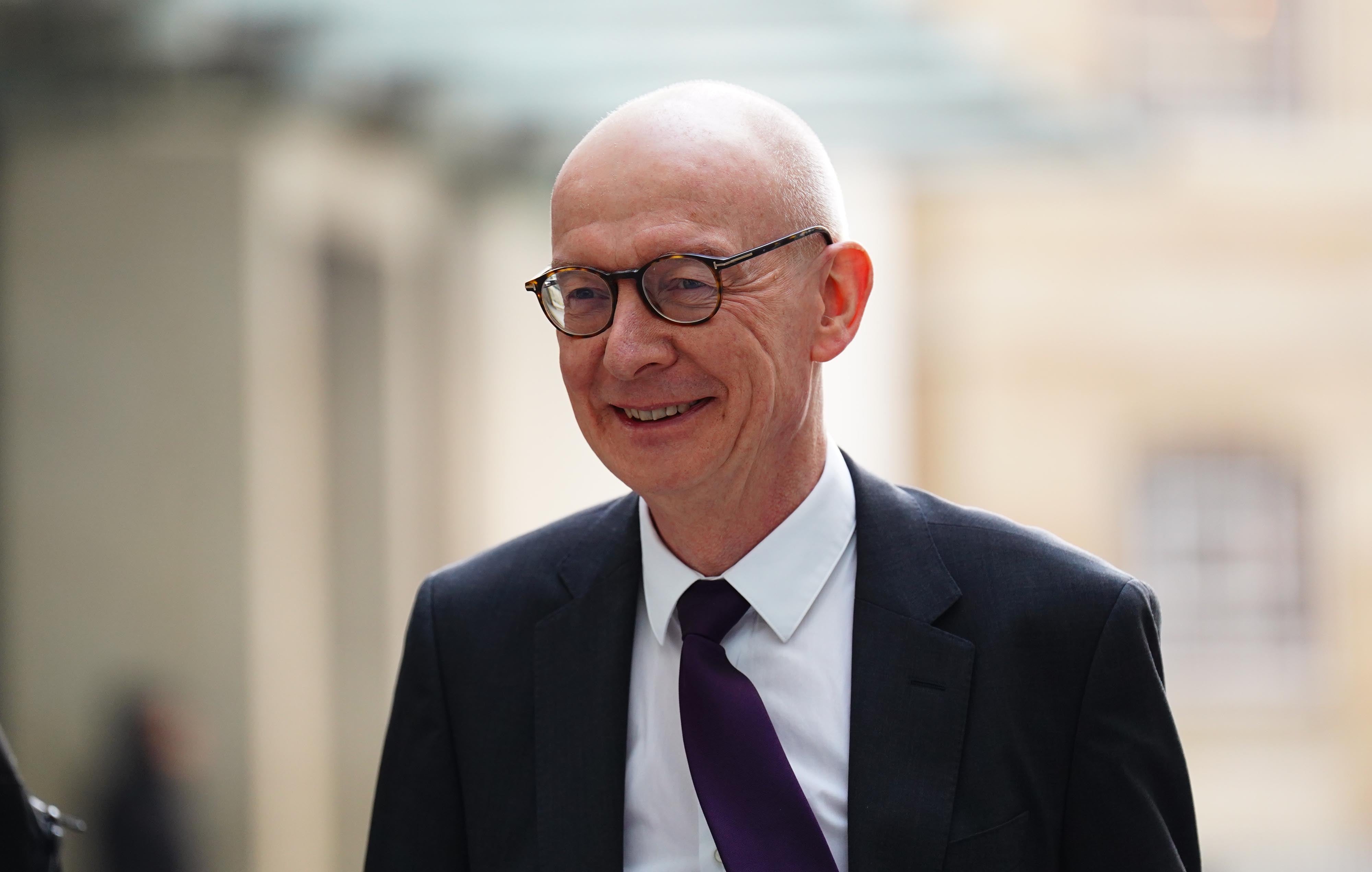
Pat McFadden said the civil service needs to be more representative of the country as a whole (PA Wire)
Currently around a quarter of students in higher education come from a lower socio-economic background, but they make up just 11.6 per cent of successful applicants to the civil service’s fast stream scheme.
And Pat McFadden, the minister responsible for civil service reform, said Whitehall needed to reflect the country as a whole.
“We need to get more working-class young people into the Civil Service so it harnesses the broadest range of talent and truly reflects the country,” he told the BBC.
“The government makes better decisions when it represents and understands the people we serve.”
The changes will take effect from summer 2026 and will give young people experience writing briefings, planning events, conducting policy research and shadowing civil servants, according to the broadcaster.
The existing work summer placement programme, which lasts up to eight weeks and is paid, is open to undergraduates in the final two years of their degree.
open image in gallery
The plans come amid a wider shakeup of the civil service (PA Wire)
The move comes after the government announced plans to move thousands more civil servants out of London as part of plans to “radically reform the state”.
In May, the government confirmed it would cut the number of civil servants working in London by 12,000 and shift jobs to a series of new regional “campuses” across the country.
Mr McFadden said at the time that the government would be relocating a “substantial number of roles”.
“The aim is to reduce the London count by about 12,000. That will save us £94m in lease costs because the properties in London are very expensive.
“And we will move thousands – it’s difficult to put a precise number – thousands of those jobs to new themed campuses around the country,” he told Times Radio.
The changes will also see 11 government office buildings in London close, including one of its largest Westminster sites, in a move expected to save £94m a year by 2032.
The move will see two new major “campuses” created, one in Manchester focused on digital innovation and AI and another in Aberdeen on energy.
Manchester is already home to major offices of the science and culture departments, while Aberdeen houses the new Great British Energy headquarters.
Other roles will be created in Birmingham, Leeds, Cardiff, Glasgow, Darlington, Newcastle and Tyneside, Sheffield, Bristol, Edinburgh, Belfast and York, with the changes expected to bring £729 million to the local economy by 2030.