
The partisanship that has dominated federal politics since the terror attack at Bondi Beach has not created any winners.
Not Prime Minister Anthony Albanese, not Opposition Leader Sussan Ley. Certainly not among the Australian people, who are the ones losing out.
This week’s Resolve Political Monitor delivers a clear finding: Australians are concerned about racism and torn over social cohesion. A clear majority, 72 per cent, see more racism and intolerance in Australia than they did two years ago. More than half point to antisemitism as the cause.

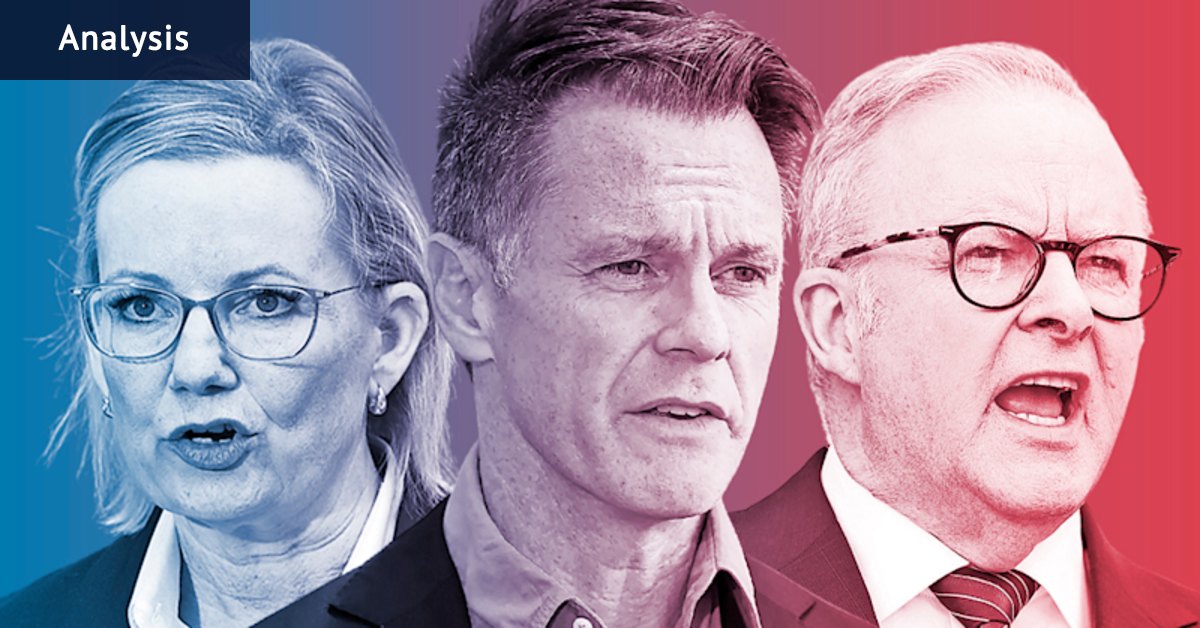
Personal approval ratings for Opposition Leader Sussan Ley and Prime Minister Anthony Albanese (right) fell, but support rose for NSW Premier Chris Minns. Credit: Aresna Villanueva
They expect strong action, and they have not seen that from the federal government. They also expect strong leadership, and they have not seen that anywhere in the federal political sphere.
Albanese has been the subject of vociferous criticism – from the Jewish community, former Liberal leaders, the federal opposition and parts of the media – for his handling of antisemitism in the two years before the December 14 targeted attack on Jewish Australians, and in the days since. His response has been interrogated at length, including in this masthead.
Some of this commentary has been extraordinarily personal. The polling does not indicate that voters share the opinions of John Howard or Josh Frydenberg, who have leapt in front of cameras to single out Albanese for blame. But many Australians agree with the broad sentiment: 46 per cent think the Albanese government has delivered a weak response to the Bondi terror attack, compared with 29 per cent who think it’s been strong.
This has rubbed off on Albanese’s personal approval ratings, which have taken a 15-point tumble. (The survey period also takes in two weeks of furore around politicians’ expenses, where the prime minister was also found lacking.)
The findings vindicate the substance of the Coalition’s criticism, but they do not vindicate its leadership. There’s a message in this for Ley, too.
Australians may agree when Ley says the government’s response has felt inadequate in the face of such horror, but this has not translated into personal support. Quite the opposite. Ley’s approval ratings have also fallen, by 7 points.