
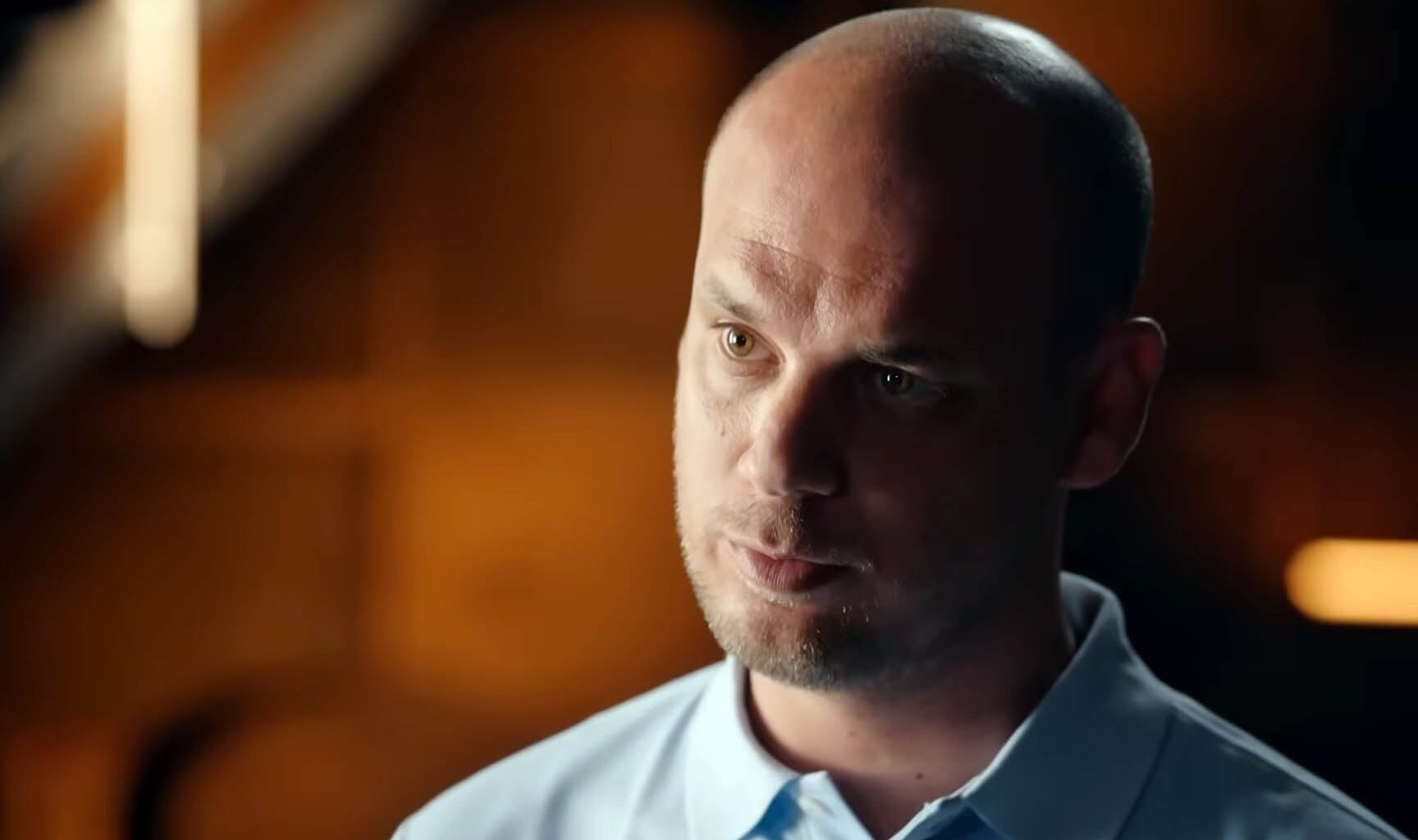
Eli Feldstein, Prime Minister Benjamin Netanyahu’s indicted former spokesperson, alleged on Monday that the premier was aware and supportive of his efforts to make use of classified intelligence in order to sway public opinion against a hostage deal, effectively contradicting Netanyahu’s assertion that he had no prior knowledge of Feldstein’s leak of the document to the German Bild tabloid.
Feldstein made the accusation in an interview with the Kan public broadcaster aired Sunday night — his first media appearance since being arrested in October 2024 and later charged for leaking stolen intelligence to Bild, which presented that classified document as evidence that Hamas was not interested in reaching a hostage deal with Israel.
He went on to claim that Netanyahu’s chief of staff Tzachi Braverman got wind of the secret investigation into Feldstein’s September 2024 classified document leak to Bild months before it was publicized and had assured Feldstein then that he’d be able to quash the probe.
Feldstein also told Kan that well before the Bild affair, Netanyahu was hyper-focused on combating media narratives that were critical of his conduct and had directed his aides to limit public chatter about him being “responsible” for Hamas’s October 7 onslaught.
The Bild affair was triggered by the execution of six Israeli hostages at the hands of their Hamas captors, who sensed Israeli troops approaching the tunnel where they were held in the southern Gaza city of Rafah at the end of August 2024.
Get The Times of Israel’s Daily Edition
by email and never miss our top stories
By signing up, you agree to the terms
The execution sparked massive public uproar against the government, which was seen as the obstacle in hostage negotiations due to Netanyahu’s perceived prioritization of an amorphous “total victory” against Hamas at the expense of the captives’ lives.
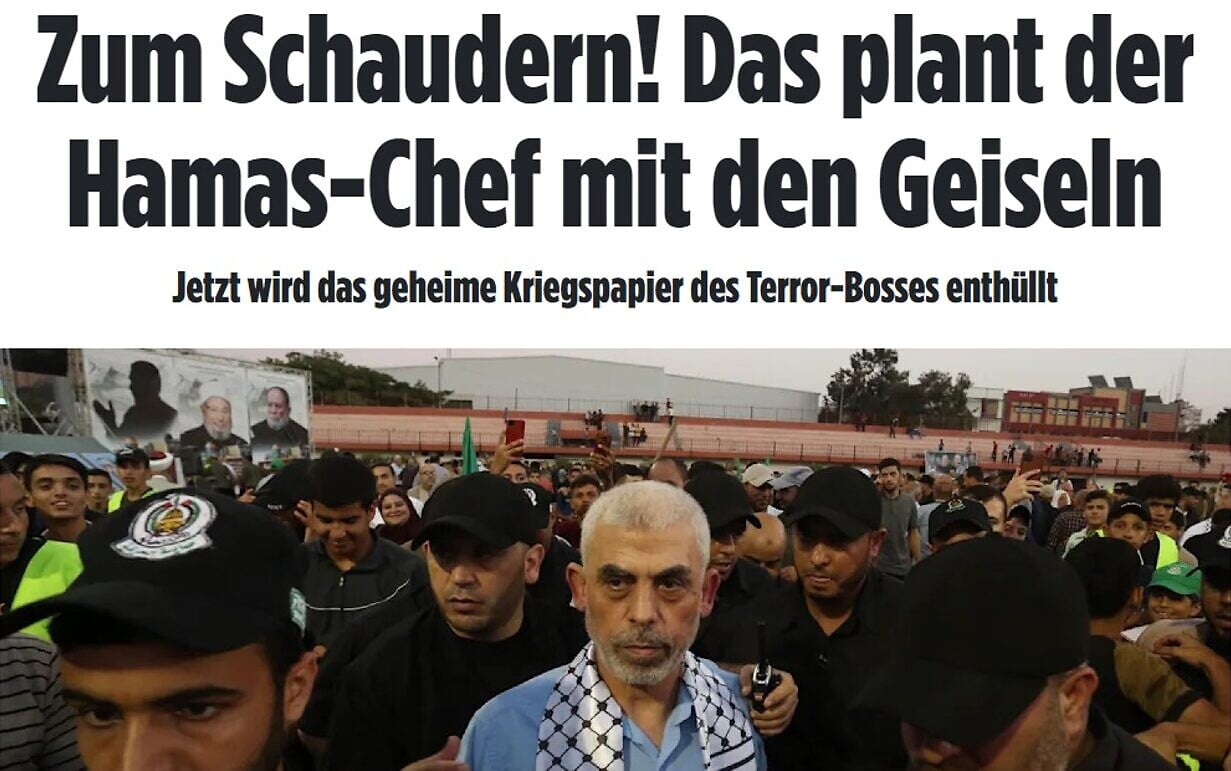
Bild’s September 6, 2024, story citing a document ostensibly found by the IDF on slain Hamas leader Yahya Sinwar’s computer.
Feldstein told Kan that he urged Netanyahu to hold a press conference to combat this narrative, which the premier ended up doing on September 2. During the press conference, Netanyahu displayed an internal Hamas memo obtained by the IDF that suggested the terror group was not interested in a hostage deal.
The memo was from nine months earlier and Feldstein said he knew someone in the IDF’s Military Intelligence Division who had access to a more recent document detailing Hamas’s approach to the hostage negotiations, which he felt would further bolster Netanyahu’s argument that only military pressure could bring about the release of the hostages.
Feldstein said he first went to Jonathan Urich — another top Netanyahu adviser — about the document before approaching the prime minister himself after the September 2 press conference.
He said he told the premier that he had a source from whom he and Urich were working to obtain the recent Hamas memo, which had been deemed classified in order to protect the source behind it.
“‘Excellent,’” Feldstein said Netanyahu told him in response.
Feldstein and Urich followed through and a story appeared in the Bild several days later, citing a “secret” internal Hamas memo that detailed the terror group’s strategy of sowing discord in the Israeli public regarding the hostage issue.
Netanyahu subsequently referenced the story in several public appearances in which he sought to deflect criticism over his handling of the hostage negotiations, though it was later revealed in media reports that Bild had seriously distorted the file to serve the interests of the Netanyahu government.
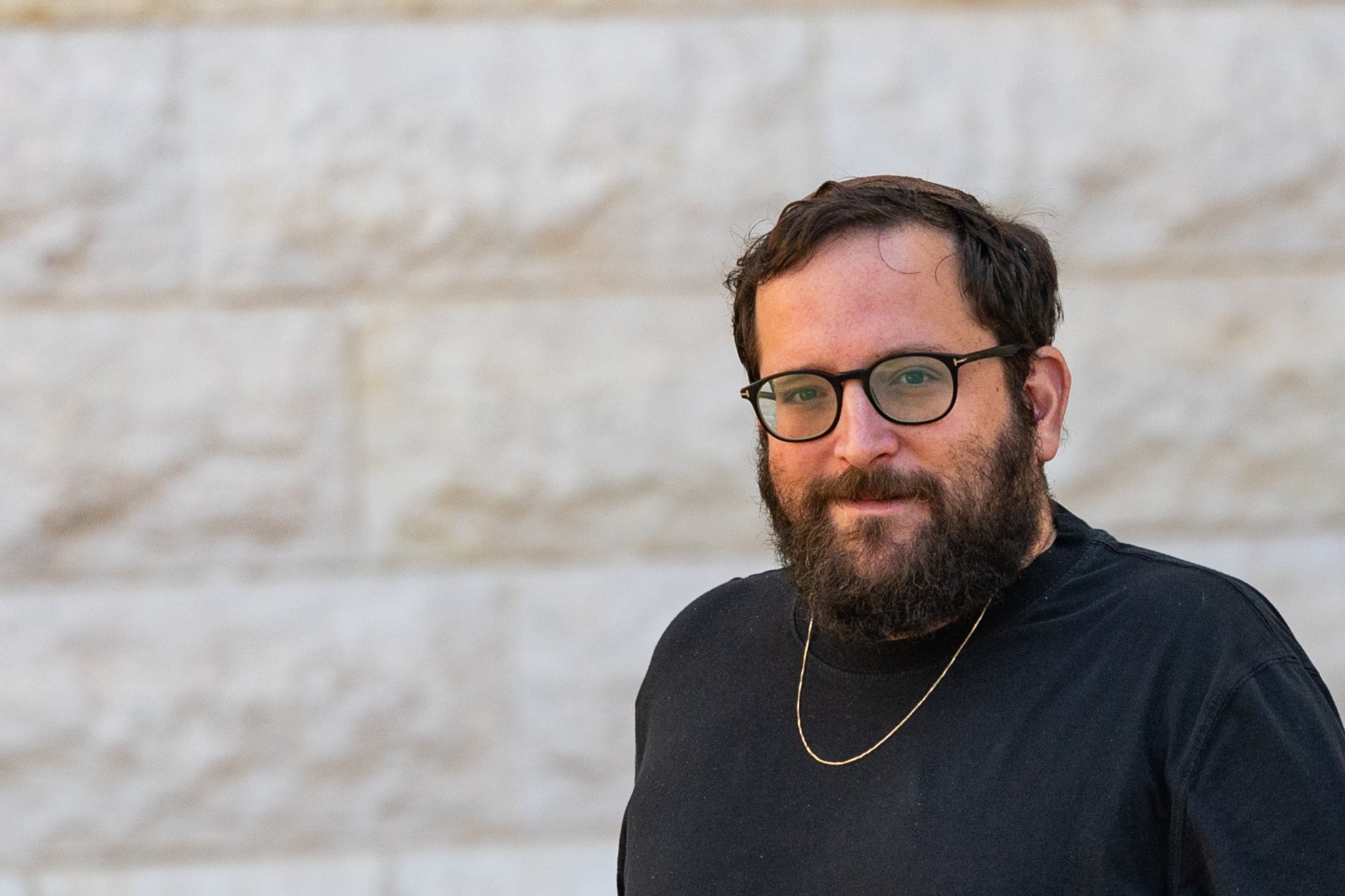
Jonatan Urich seen after a court hearing at the Supreme Court in Jerusalem, October 27, 2025 (Chaim Goldberg/Flash90)
‘I can shut it down’
Later that September, Feldstein said, Braverman, Netanyahu’s chief of staff, asked to meet him in the underground parking of the IDF’s Kirya military headquarters. There, Braverman disclosed that the IDF’s information security department had launched a probe into the leak of the classified intelligence and that the list of suspects went as high as the Prime Minister’s Office.
Braverman read off about half a dozen names of individuals who he said were being implicated in the Bild investigation and asked Feldstein if he knew any of them, the former spokesperson recalled to Kan, adding that he had responded in the negative.
“‘Tell me if this is connected to you. Tell me if it is connected to us. I can shut it down,’” Feldstein quoted Braverman as having told him, adding that he had informed Urich of the meeting.
Braverman, who was recently nominated to serve as Israel’s ambassador to the United Kingdom, should not have had prior knowledge of an internal IDF investigation, nor any ability to “shut it down” on his own.
Responding to the Kan interview, a statement issued on Braverman’s behalf accused Feldstein of “lying and making things up.”
“The chief of staff has no ability or influence over ongoing investigations. Braverman only knew about the investigation when it was published by the media,” the statement read.
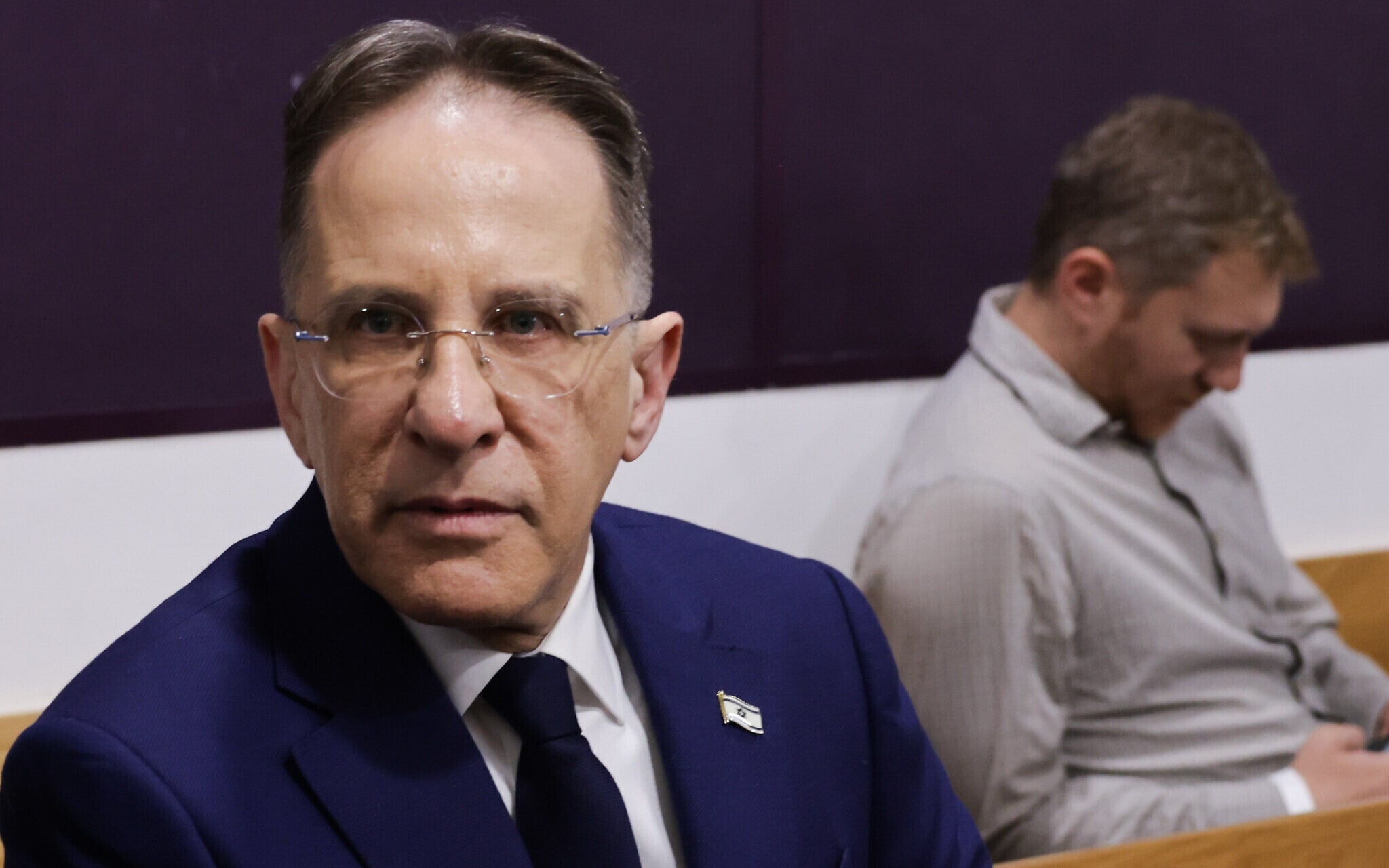
Tzachi Braverman, Prime Minister Benjamin Netanyahu’s chief of staff, at the Tel Aviv District Court ahead of the premier’s testimony on December 18, 2024 (Miriam Alster/Flash90)
A separate statement from Netanyahu’s office similarly denied Feldstein’s claims, saying they were made by an individual clearly motivated by a desire to deflect blame as he faces charges that can carry a life sentence in prison over the transfer of classified intelligence
Netanyahu “never gave Feldstein an order — either directly or indirectly — to leak classified intelligence. He did not authorize the circumvention of the military censor… nor was he involved in any illegal act,” read the statement from the premier’s office.
“After months of persecution by the Attorney General’s Office and the Shin Bet against Feldstein, it is no wonder that he is willing to say anything the left wants, including fabricating claims against the prime minister,” the statement added.
After Feldstein’s arrest last year, Netanyahu’s office first falsely claimed that he wasn’t an employee. The premier then shifted to defending him as a loyal aide before eventually turning on him, after the former spokesperson began telling investigators that all of his actions were at the direction of the Prime Minister’s Office.
Shirking responsibility for October 7
Feldstein also disclosed to Kan that Netanyahu had a hard time dealing with the hostage crisis and preferred to prioritize the fight against Hamas.
When the terror group released the first video of a hostage ten days after the October 7 onslaught, Feldstein said that the premier refused to watch and even tossed a phone away after one of his aides tried to show him the footage of the seriously wounded captive Mia Schem.
“He threw away the phone. He didn’t want to see,” Feldstein recalled, further bolstering testimony from hostages’ families who have accused Netanyahu of failing to sympathize with their plight.

A screenshot from a clip published by the Hamas terror group on October 16, 2023, showing Mia Schem, an Israeli woman abducted by terrorists from a music festival during a massacre by Hamas gunmen on October 7, 2023. (Screenshot/KAN)
Feldstein also described how, days after the war, Netanyahu directed him to limit media chatter over the prime minister’s responsibility for the massacre. “He asked me, what are they talking about in the news. Are they still talking about responsibility?”
Feldstein said that Netanyahu asked him to come up with ways to “lessen the media storm on the subject” of “whether or not the prime minister should take responsibility for October 7.”
“It was the first task I got from him. The first and only,” he said.
“His desire to eliminate Hamas and win the war is greater” than his desire to release the hostages, Feldstein asserted.
Pressed by the interviewer on whether Netanyahu wanted to continue his premiership at the expense of hostages, Feldstein said, “I don’t think so. I don’t think it’s about [remaining in power].”
Feldstein also told Kan that Netanyahu accepted the presence of far-right ministers Itamar Ben Gvir and Bezalel Smotrich at critical meetings to make them feel they were being heard, but added, “He despises them.”
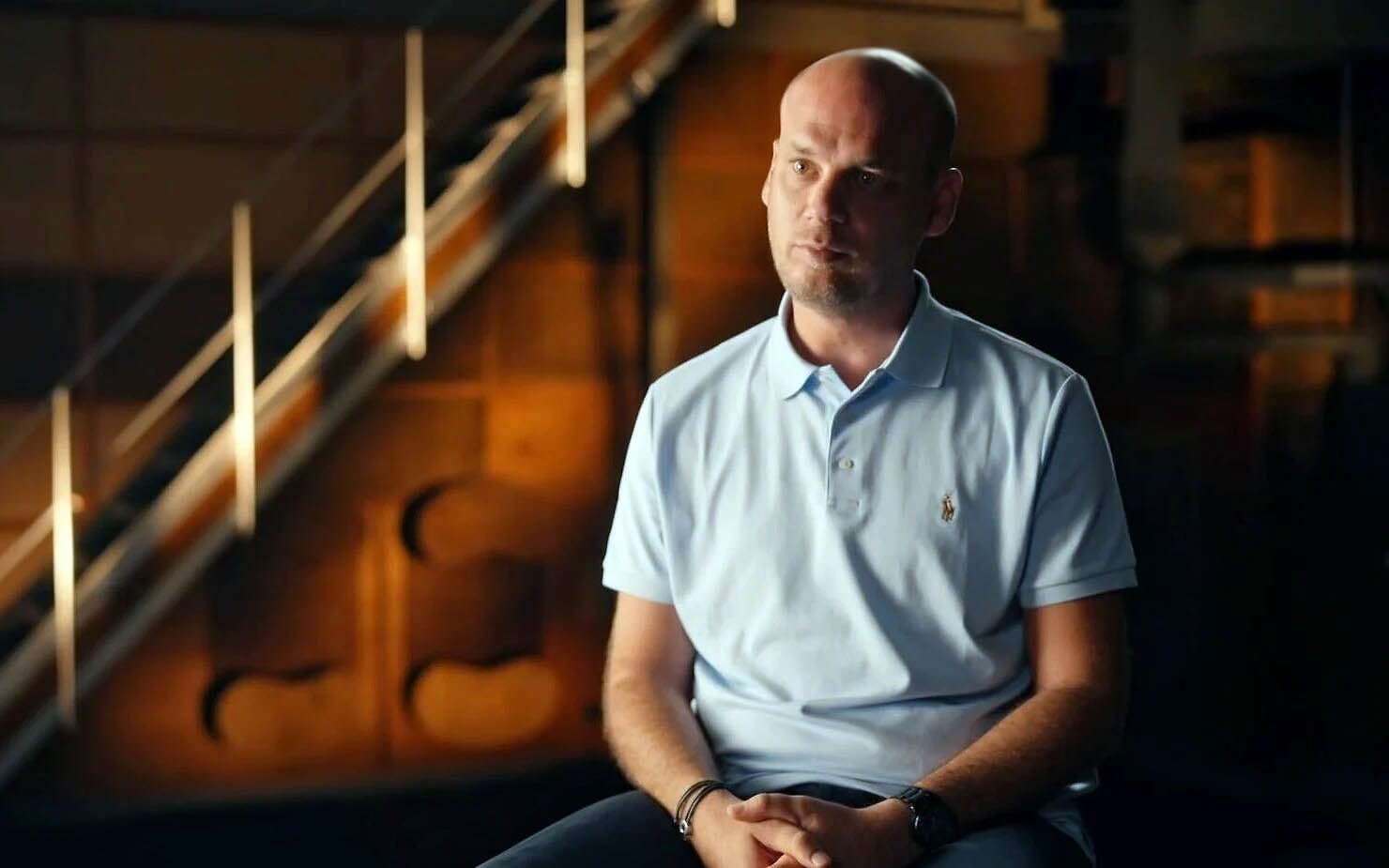
Eli Feldstein, a former media adviser to Prime Minister Benjamin Netanyahu and one of the suspects in the so-called Qatargate investigation and a defendant in the Bild leak scandal, speaks to the Kan public broadcaster in an interview aired December 22, 2025. (Screenshot: Kan)
Fabricating pro-Qatar messages at Egypt’s expense
Feldstein is also a suspect in the so-called Qatargate affair, which has also implicated Netanyahu’s closest advisers.
That case centers around Urich and Feldstein’s alleged side work on behalf of Qatar while they were in Netanyahu’s employ. The work was with the Perception PR firm headed by Yisrael Einhorn, Netanyahu’s former campaign manager.
Einhorn and Perception are believed to have conducted campaigns in Israel and abroad to boost Qatar’s image, in particular in connection with its role as a mediator in the hostage talks.
Hours before the Kan interview aired on Monday, i24News published what it said were the contents of text conversations between Feldstein and Einhorn in which they made up pro-Qatar messages that were presented to journalists as if they were coming from senior Israeli and American officials.
Many of the messages focused on elevating Qatar’s role as a hostage deal mediator at the expense of Egypt, the other mediating country.
On Monday, Channel 12 reported that some of the fabricated messages that Feldstein sent to reporters were also passed along to Urich in what would further implicate Netanyahu’s office in the Qatargate affair.
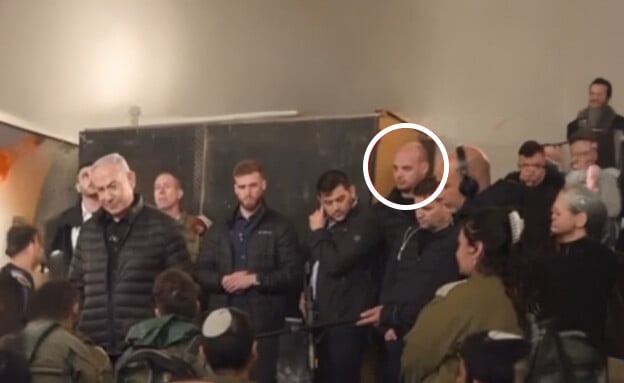
Spokesperson Eli Feldstein is seen at an event with Prime Minister Benjamin Netanyahu during the war against Hamas in Gaza, sparked by Hamas’s October 7, 2023, massacre. (IDF)
Urich denied his connection in a post on X.
“If I or someone close to the prime minister had known that Eli Feldstein was speaking for Qatar in Israel while defrauding journalists, he would be tossed out the window,” Urich wrote.
WhatsApp messages obtained by the Ynet news site in August also revealed that Einhorn had crafted pro-Qatar messages and sent them via WhatsApp to Feldstein. Feldstein then forwarded the messages to Urich, who disseminated the messaging to journalists, in an effort to improve Doha’s image in Israel.