
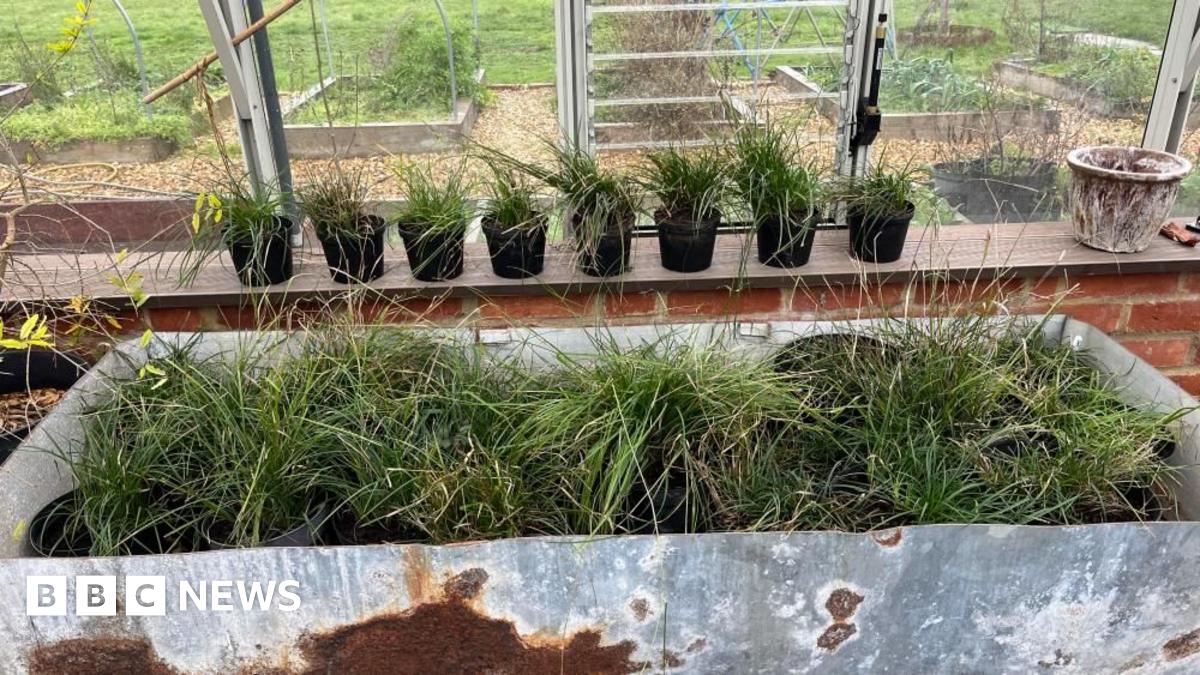
The species is described as an important plant by The Species Recovery Trust for several reasons.
It is a habitat for a variety of wetland species, including birds, insects, and amphibians, it helps to regulate water flow, and moves nutrients through the ecosystem.
It has become threatened by habitat loss and fragmentation as wetland habitats are increasingly being drained or developed.
Dominic Price, director of the trust, said: “In the past few years the plants have unfortunately, and rather catastrophically, decided to move off the bankside habitat we have maintained for them and start growing directly on a public footpath.
“This has put them directly in harm’s way from being trampled.”
The conservation work is possible because of funding from the Mendip Hills National Landscape team.
Manager Jim Hardcastle said: “Nature recovery is key to our work these days so it’s great that we can help the Species Recovery Trust in its important work.
“At first glance this is quite an unassuming grass that many people will have walked past for years but it’s still an important part of the ecosystem and deserving of our attention and support.”