
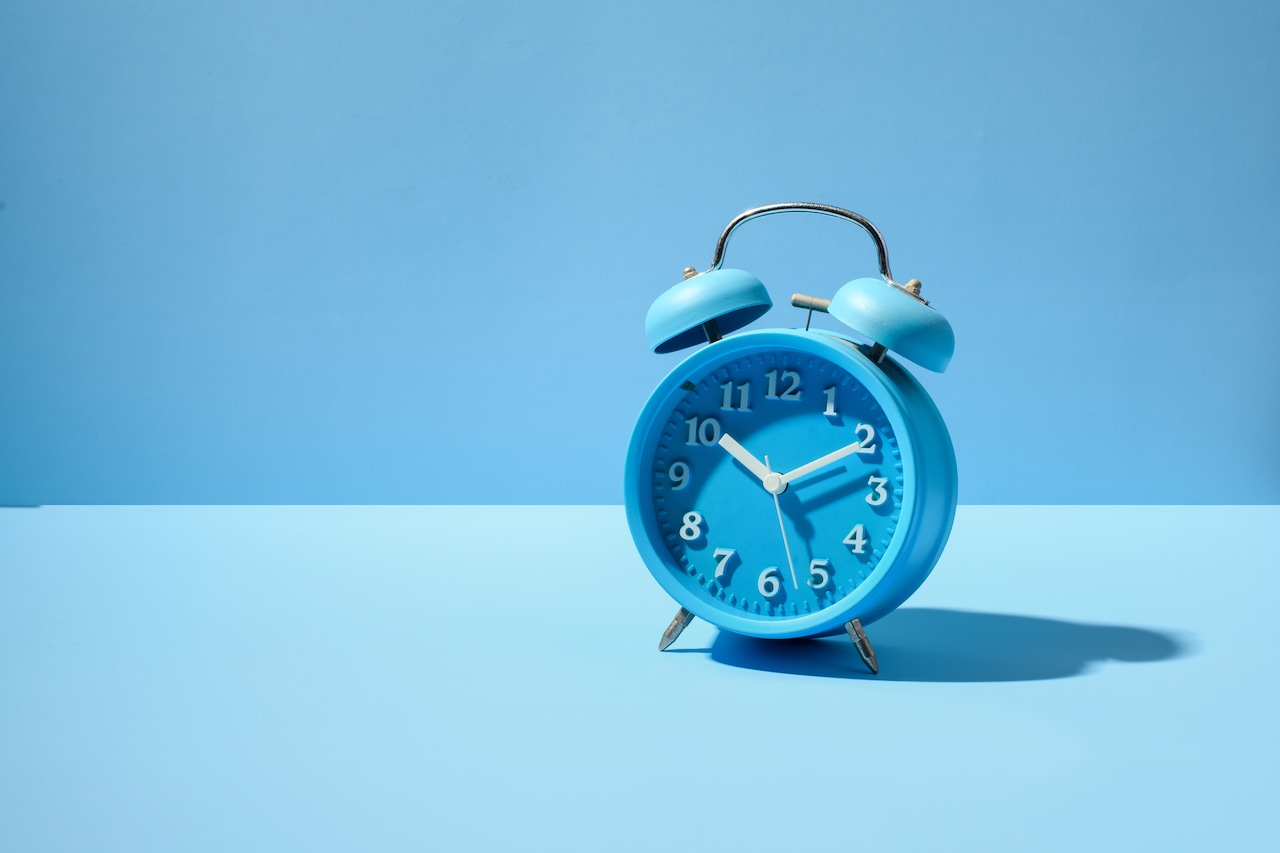
You wouldn’t know it from the scorching hot temperatures outside but we only have a month left in summer – at least according to the calendar. Before long, we will head into fall with September bringing with it football, the first hint of autumn leaves and – of course – Pumpkin Spice Lattes.
But while waiting on a welcomed dose of cooler weather, you may notice that the days are getting ever so slightly shorter as we head into fall. Before you know it, we will “fall back” for the end of daylight saving time and early sunsets.
Daylight saving time will end at 2 a.m. on Sunday, Nov. 2, almost eight months after it started on Sunday, March 9. On Nov. 2, clocks will “fall back” one hour, giving people an extra hour of sleep. We will remain on standard time until we repeat the process again and daylight saving time restarts (or “springs forward”) on Sunday, March 8, 2026.
Sunrise and sunset will be about an hour earlier on Nov. 2 than the day before with more light in the morning and less in the evening.
DST was formally introduced in the U.S. in 1918 as an energy-saving measure designed to put more daylight into times when people were outside. It ended after World War I only to be brought back during World War II.
After the war, local jurisdictions were free to determine whether they observed DST and the dates they used. The dates for DST and standard time have changed multiple times throughout its history, including most recently in 2007 when the Energy Policy Act of 2005 extended the length of DST by one month in the interest of reducing energy consumption.
If you purchase a product or register for an account through a link on our site, we may receive compensation. By using this site, you consent to our User Agreement and agree that your clicks, interactions, and personal information may be collected, recorded, and/or stored by us and social media and other third-party partners in accordance with our Privacy Policy.