

Listen to this article
Estimated 4 minutes
The audio version of this article is generated by AI-based technology. Mispronunciations can occur. We are working with our partners to continually review and improve the results.
This First Person article is the experience of Jody-Anne Cargill, who lives in Ottawa. For more information about CBC’s First Person stories, please see the FAQ.
Some of my favourite childhood memories are from my grandparents’ house in Westmoreland, Jamaica.
The house was always alive with the smell of nutmeg and fresh pancakes. But at Christmas, it overflowed with three generations of family.
We’d gather around the huge dining room table, which strained under the weight of curried goat, ham, rice and peas, and fried plantain. The youngest children had their plates made first. The rest of us followed, spilling into the living room and finding seats wherever we could, often on the floor.
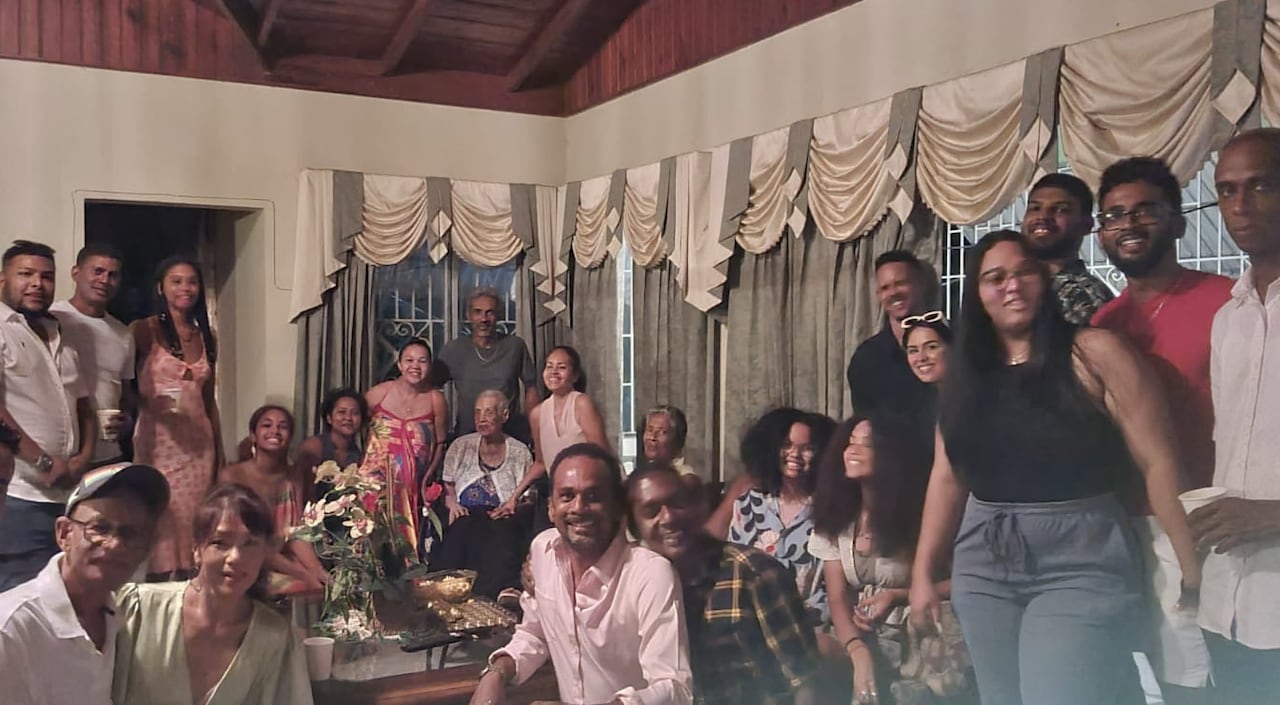 Family Christmas in Jamaica meant a packed house, with dinner eaten at the table, on couches and even on the living room floor. (Submitted by Jody-Anne Cargill)
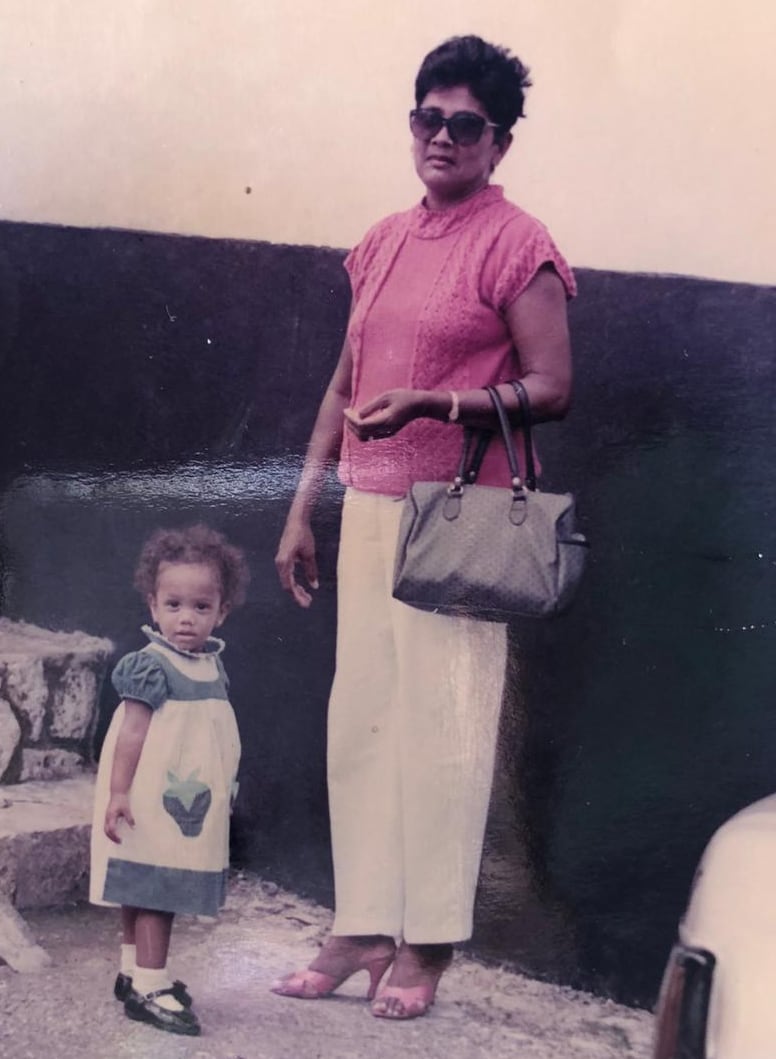 Cargill, left, grew up in Jamaica, surrounded by family, including her grandmother. (Submitted by Jody-Anne Cargill)
After we ate, we’d huddle together and listen to our grandfather, our fathers and uncles tell stories, laughing until our bellies hurt. The house didn’t just hold people. It held our history.
But there won’t be another family Christmas there. Not this year, and possibly not ever.
This fall, Hurricane Melissa tore through the island with catastrophic force. It flooded entire communities, ripped roofs from houses and left thousands without shelter, food or power. My grandparents’ home of more than 50 years was destroyed. The place where we learned to pray, celebrate and gather is now broken boards and twisted metal.
WATCH | The aftermath of Hurricane Melissa: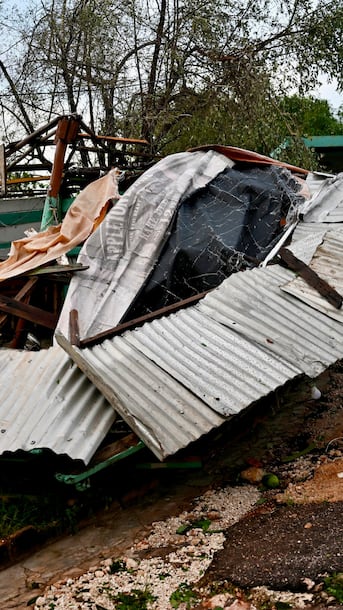
See the impact of Hurricane Melissa
Hurricane Melissa hammered parts of Jamaica before slamming into Cuba, leading to widespread damage, power outages and, in some areas, dangerous flooding.
At first the phone calls were comforting; their voices familiar, their laughter shaky but present.
But as the storm progressed, I lost contact. I heard the fear in my sister-in-law’s voice as the roof above her caved in just before losing connection. It sent me into a spiral of anxiety for days. I refreshed my phone constantly.
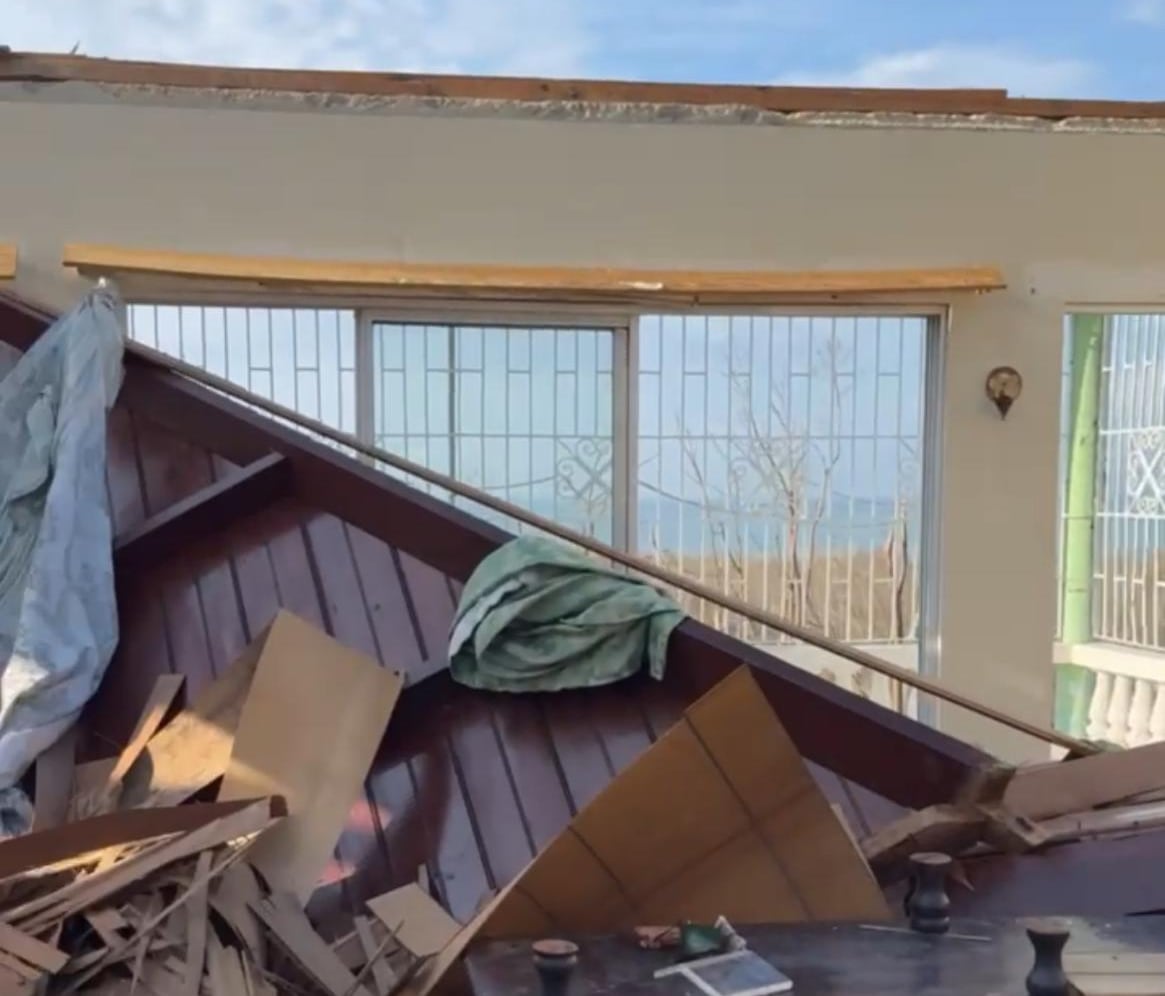 Hurricane Melissa ripped the roof off the house of Cargill’s grandparents and destroyed the interior. Among the items lost was a large wooden shelf, called a ‘whatnot,’ and the dozens of photos it held marking every family milestone. (Submitted by Jody-Anne Cargill)
The relief was overwhelming when messages finally came through — first from my mom, then sister-in-law, and slowly, other family.
But each message of relief was followed by stories of loss. My family lost homes, friends lost their farms, neighbours lost their churches, and whole communities lost the places where life once happened.
I’ve watched from afar as my family processed the devastation around them.
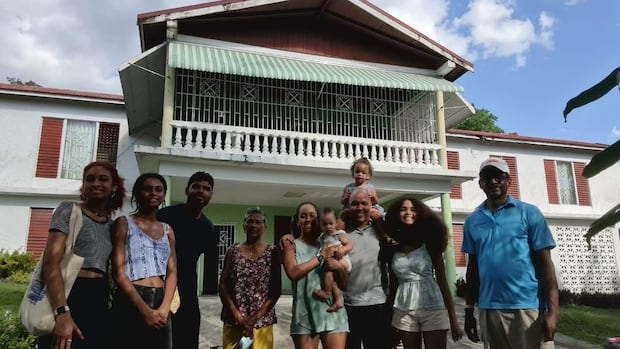
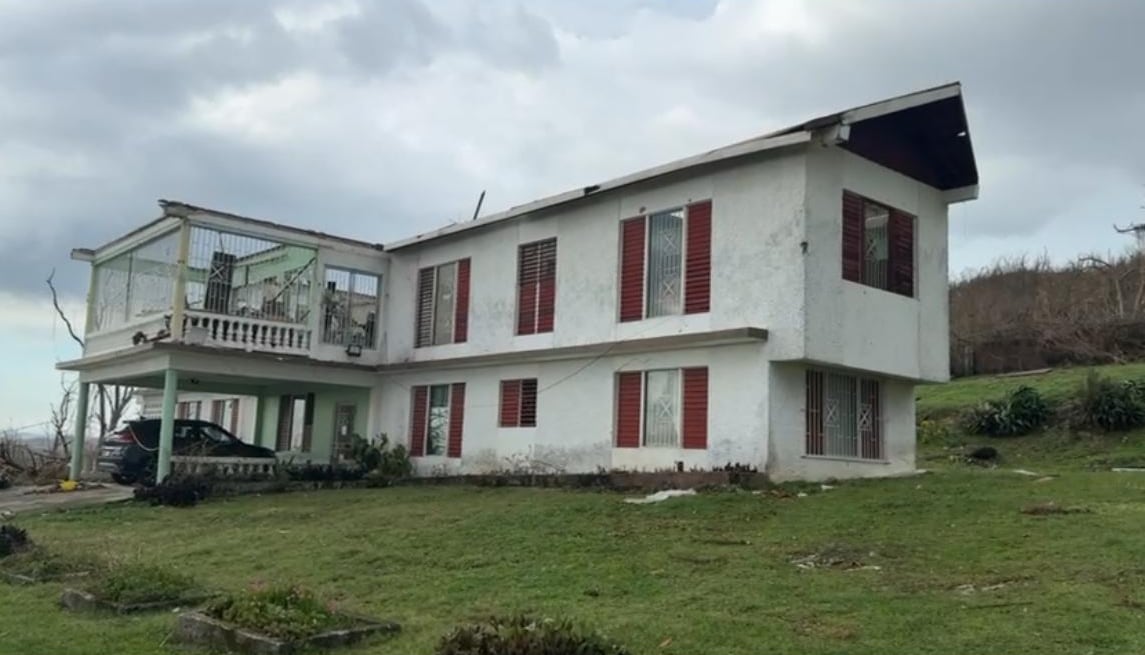 Cargill’s grandparents lived in this home for more than 50 years before it was destroyed. (Submitted by Jody-Anne Cargill)
Yet even in the midst of despair, there was gratitude.
Family members said this message to me often: “Mi lose everything, but thank God, mi have life.”
Those words hold both heartbreak and hope.
As Christmas nears, my grandmother is supporting her community before even considering what it would take to rebuild the home she’s had for a lifetime.
I’ve cheered along from Ottawa as she, my mother and aunt have planned Christmas dinners to feed as many people as possible, created gift bags for children who may not receive any other presents this year and assembled grocery packages so that families can still share a Christmas meal at home, even in the wake of the hurricane.
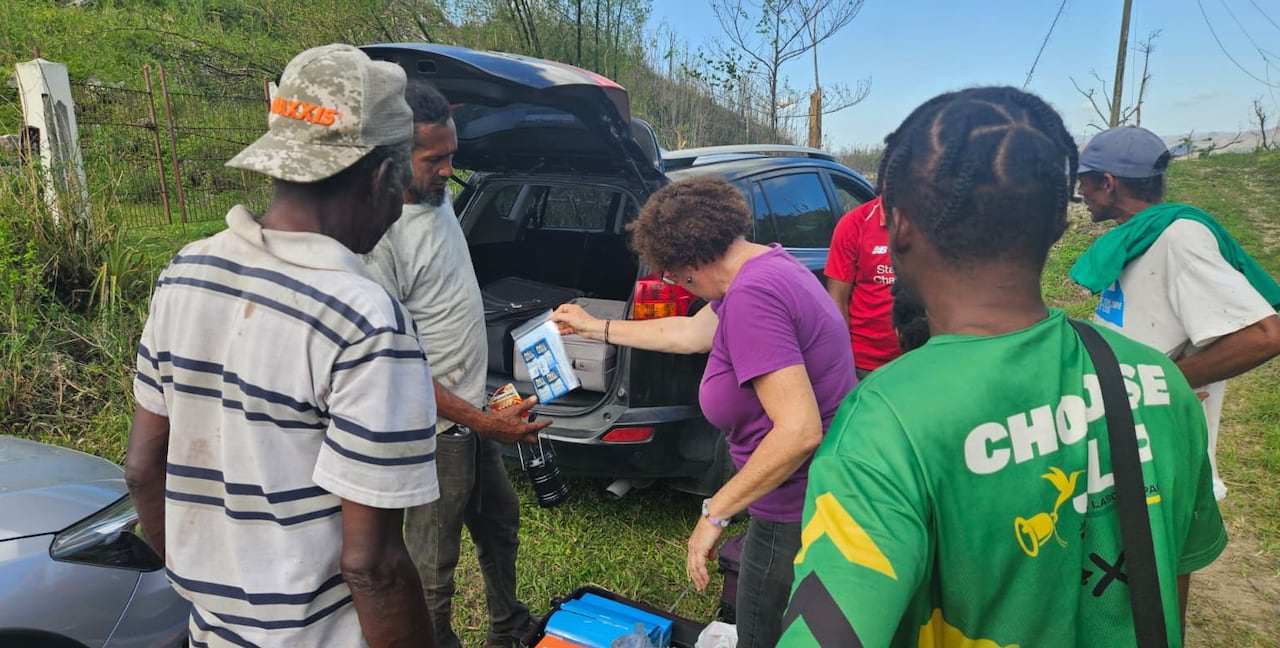 Cargill’s family in Jamaica has been working hard to distribute food and supplies to those who need it this holiday season. In Canada, she, her husband and her children have been donating what they can, too. (Submitted by Jody-Anne Cargill)
From here in Ottawa, our Christmas will feel different, too. Instead of focusing on presents and festivities we’re centering our hearts on community, on connection and on the stories that keep our heritage alive even when home feels far away. We’ve donated what we can from a distance.
My husband, our three little ones and I will gather around our smaller table, carrying both the ache of distance and the comfort of tradition. We will pray before the meal, laughter filling the room and tell stories that connect our children to their roots.
This year will be a balancing act — holding joy for my children while holding grief and helplessness as I think of my family.
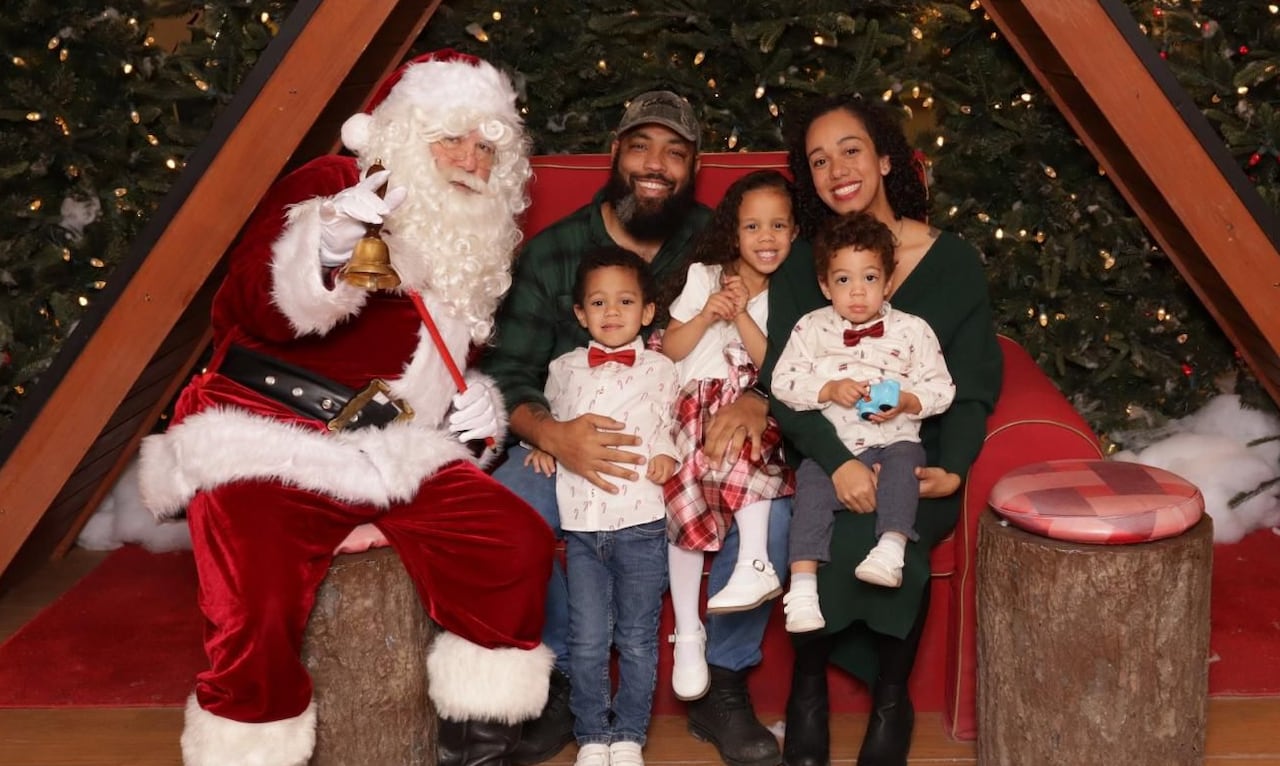 Cargill and her family, pictured here in 2024, will spend this Christmas in Canada, which has been their home for the last five years. (Submitted by Jody-Anne Cargill)
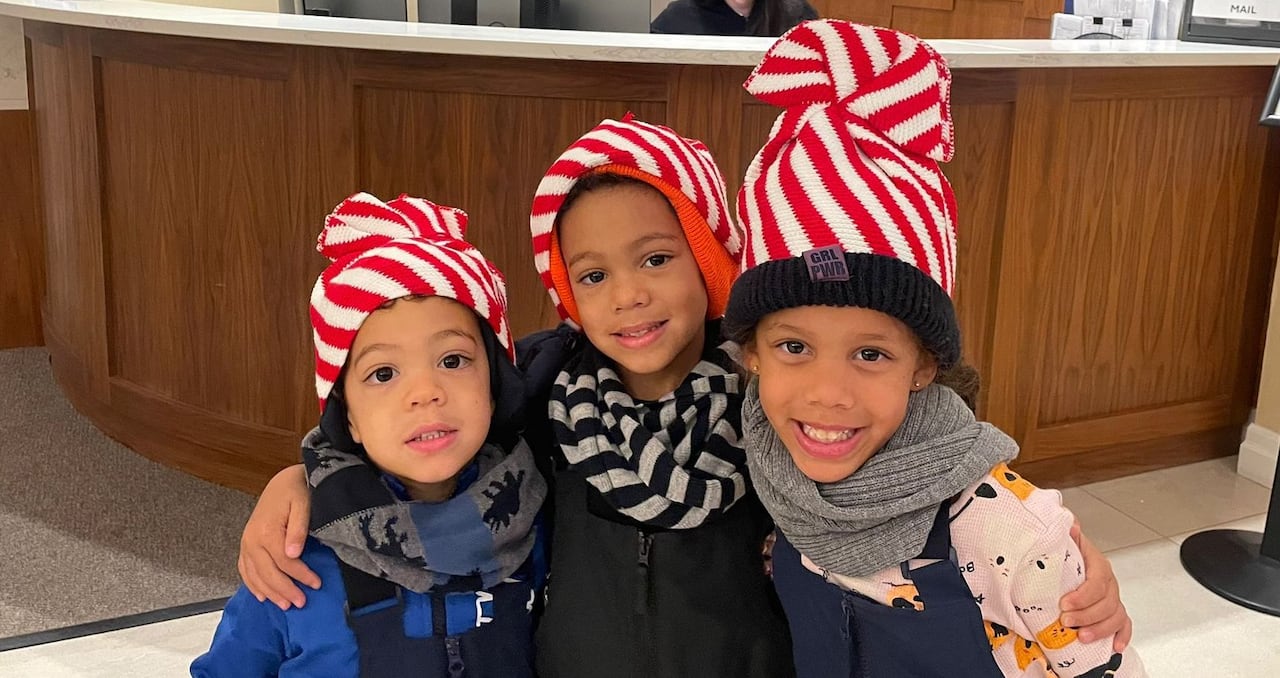 This year, the focus for Cargill’s family in Canada is on community, including handing out candies at the Barrhaven Santa Claus parade. (Submitted by Jody-Anne Cargill)
Disasters don’t only destroy buildings. They fracture the places inside us that we call home. But while a house can fall, the heart of a family — and a community — doesn’t have to. Somehow, hope still rises.
It rises in my family’s determination to serve others, in every “we’re safe” whispered through unstable cellphone towers, in our determination to celebrate with those we love and build home wherever we are.
Do you have a compelling personal story that can bring understanding or help others? We want to hear from you. Send your story ottawafirstperson@cbc.ca.