

Listen to this article
Estimated 4 minutes
The audio version of this article is generated by AI-based technology. Mispronunciations can occur. We are working with our partners to continually review and improve the results.
The Canada Border Services Agency will phase out its Remote Area Border Crossing program and replace it with mandatory telephone reporting at designated sites across northern Ontario by September 2026.
The agency says the change is meant to strengthen border security and bring consistency to how travellers report when entering Canada through remote areas.
“The CBSA’s decision was based on an internal review of the Remote Area Border Crossing Program, which considered security, operational efficiency and the evolving risk environment at Canada’s border,” the agency wrote in an emailed statement to CBC News.
The Remote Area Border Crossing, or RABC program, currently allows approved travellers to enter Canada through remote border locations without physically reporting at a port of entry. Permit holders must still declare any goods they bring into the country.
Under the new system, travellers entering Canada through areas previously covered by the RABC program will be required to report to the CBSA either at a port of entry or at a designated telephone reporting site every time they cross.
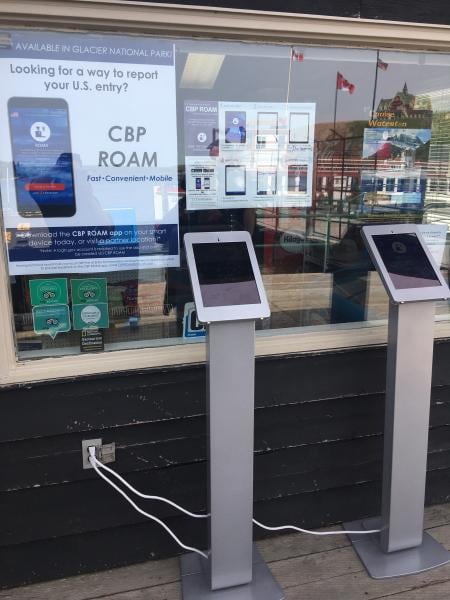 The official CBP ROAM App from U.S. Customs and Border Protection allows eligible travelers who arrive at remote locations to report their arrival online. To use the ROAM app, travelers input their biographic information and trip details, then submit their trip for review by a CBP officer. (U.S. Customs and Border Protection)
Failure to report to the CBSA when entering Canada can result in enforcement action, including fines, seizure of goods or vehicles and possible criminal charges under the Customs Act.
Affected areas include the Northwest Angle, the Pigeon River through Lake of the Woods, the Canadian shore of Lake Superior, the Sault Ste. Marie’s upper lock system and Cockburn Island.
The RABC program will officially close on Sept. 14, 2026. Existing permits have been extended and will remain valid until 11:59 p.m. on Sept. 13, 2026.
The CBSA says replacing the program with telephone reporting builds on systems already used elsewhere in Canada and more closely aligns with how travellers report to U.S. Customs and Border Protection when entering the United States in remote areas.
Historically, about 11,000 people have held RABC permits each year. Roughly 90 per cent of them are American, according to the CBSA.
Community concerns
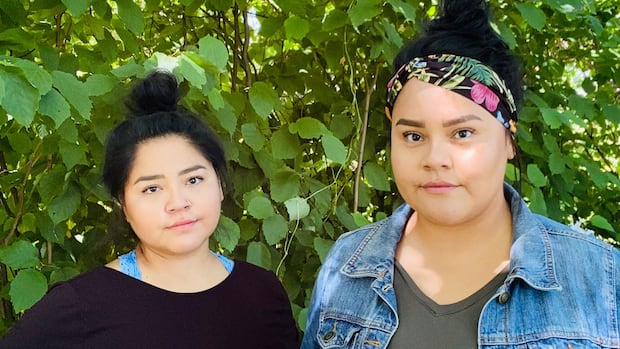
Brittany Powassin, a councillor for Animakee Wa Zhing #37, lives on Windigo Island, Animakee Wa Zhing #37, and on a portion of the reserve known as Windigo Island, located 52 kilometres south of Kenora, Ont.
Residents there must boat from the island to a nearby shoreline in Angle Inlet, Minn., and travel by road back into Canada for necessities like groceries, prescriptions and medical appointments.
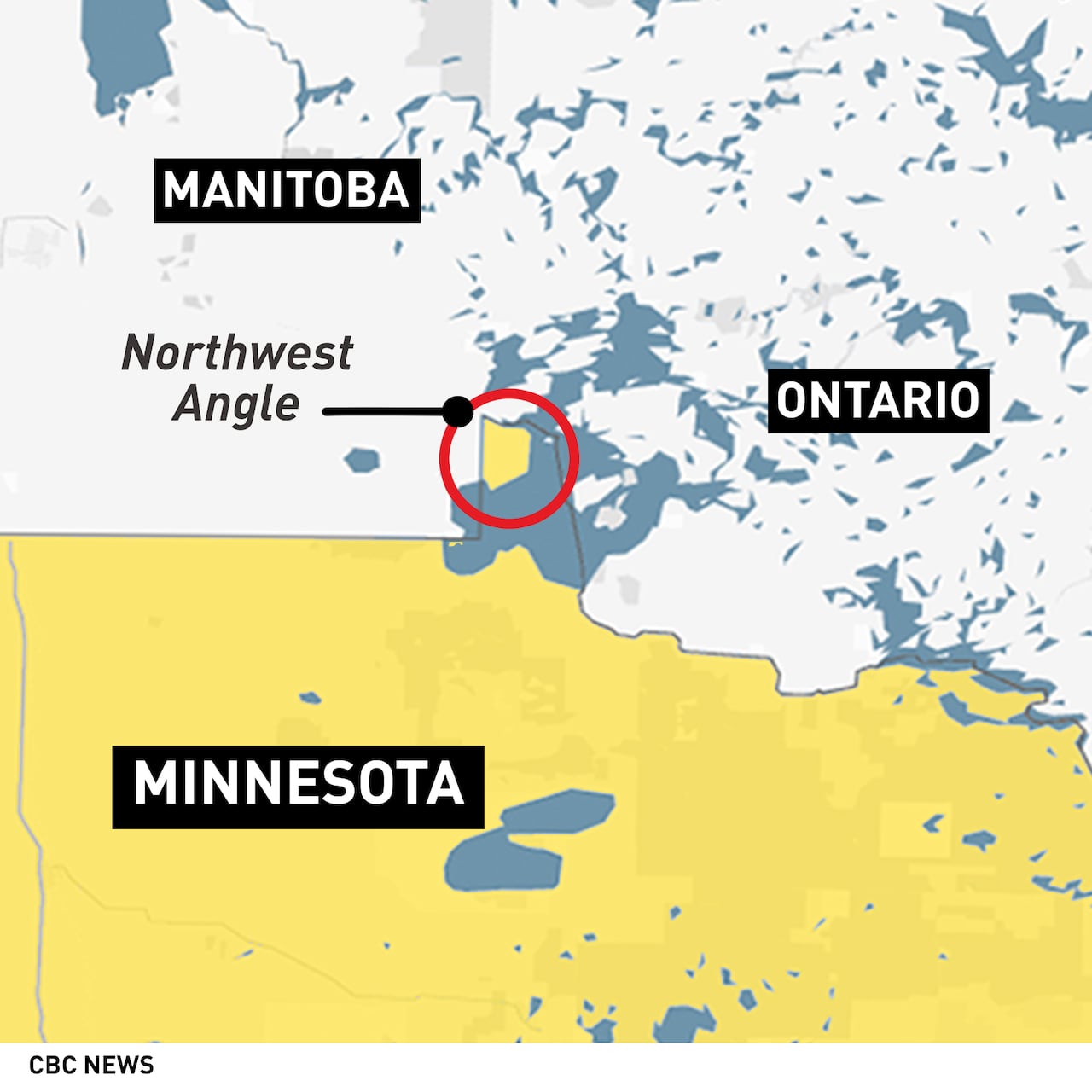 The Northwest Angle is a thumb of land isolated from the rest of the U.S., linked by land to the eastern edge of Manitoba. (CBC News Graphics)
“It causes a little bit of panic out here just because on our side, we do have a lot of people that are diabetic and we have people that do have medical needs that sometimes they need to get to the hospital or medical centers quicker than they’re able to,” she said.
Powassin says telephone reporting already causes delays for travellers who are not part of the RABC program.
“It’s so time-consuming to call in because sometimes they’re waiting there from 20 minutes to almost an hour per call with an officer just to get let through,” she said. “There are at least five to 10 car lineups per booth waiting. So, it takes a while,” she said.
Powassin says the RABC program has been especially important for Indigenous community members and commercial fishermen.
“I really wish that they would consider the communities here in the Northwest Angle because there are a lot of status members that have qualified for that program as well as commercial fishermen,” she said. “I just really feel for the people who rely on those programs to ensure that their businesses are flowing smoothly.”
Consultations planned
The CBSA says it will be announcing more information soon.
“To support continued access while ensuring the safety and security of Canada’s border, additional telephone reporting sites will be added prior to September 14, 2026,” the agency wrote. “The location of the new telephone reporting sites will be decided in the coming months in consultation with Indigenous communities, local businesses, and law enforcement partners.”