
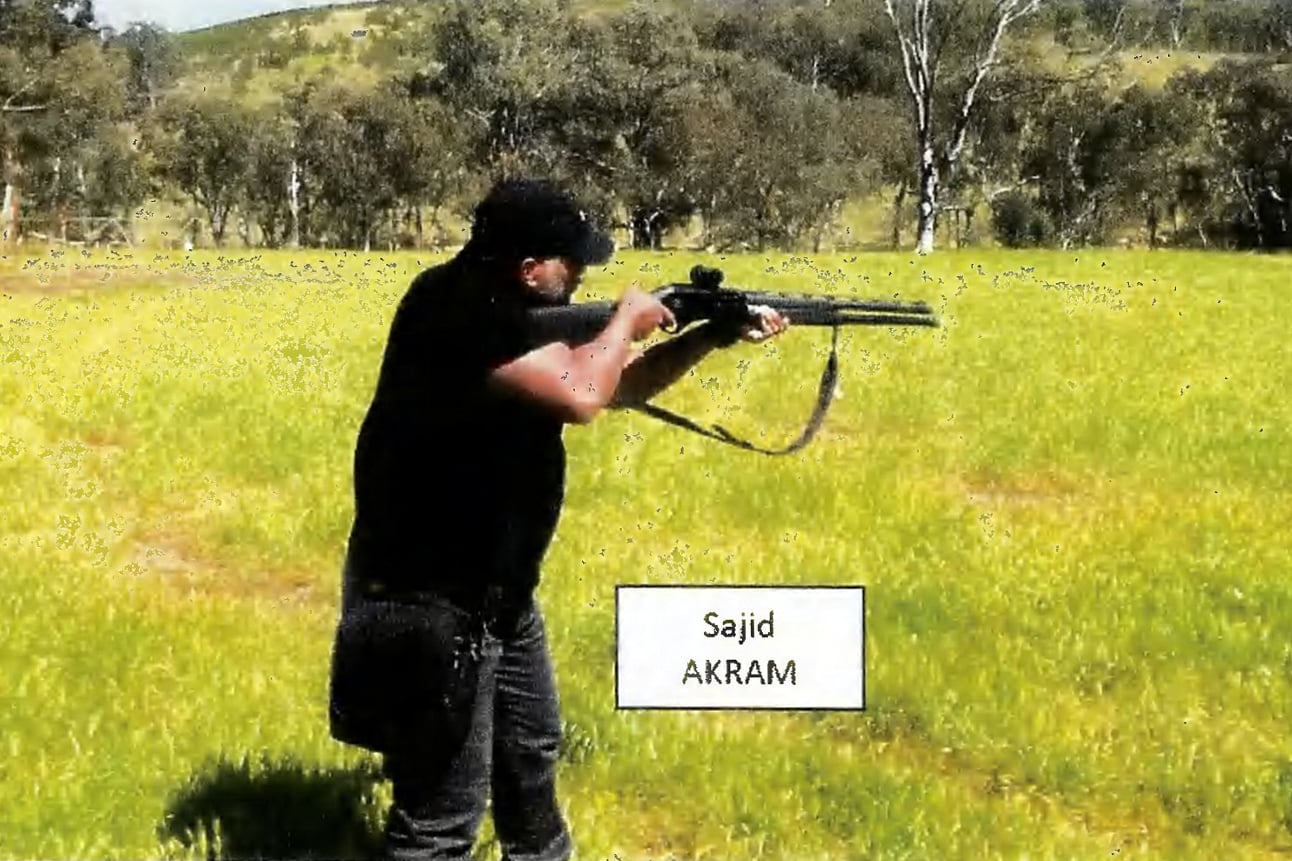
A man accused of shooting dead 15 people at Sydney’s Bondi Beach in an antisemitic terror attack faced a lengthy delay in getting a gun license because of a bureaucratic mishap, not because he raised suspicions, an Australian state government leader said on Tuesday.
Sajid Akram, who was killed by police during the attack, and his 24-year-old son, Naveed Akram, are accused of targeting some 1,000 Jews celebrating Hanukkah on December 14, in Australia’s worst mass shooting since 1996.
Questions have been raised about how the 50-year-old father came to legally own six rifles and shotguns.
Alleged shooter waited 3 years for gun license
New South Wales Premier Chris Minns on Tuesday confirmed that the father applied for a state license to own firearms in 2000, three years before it was granted. The process typically takes six to 10 weeks.
“The latest information that we have is that there was a real mess in relation to the bureaucracy when it comes to gun licenses and the delays related to that — not a specific threat” posed by the father, Minns told reporters.
Get The Times of Israel’s Daily Edition
by email and never miss our top stories
By signing up, you agree to the terms
Reporters asked Minns on Monday why the father was allowed to own guns when he shared his Sydney home with Naveed Akram, who had been investigated in 2019 by the spy agency Australian Security Intelligence Organization over his extremist links.
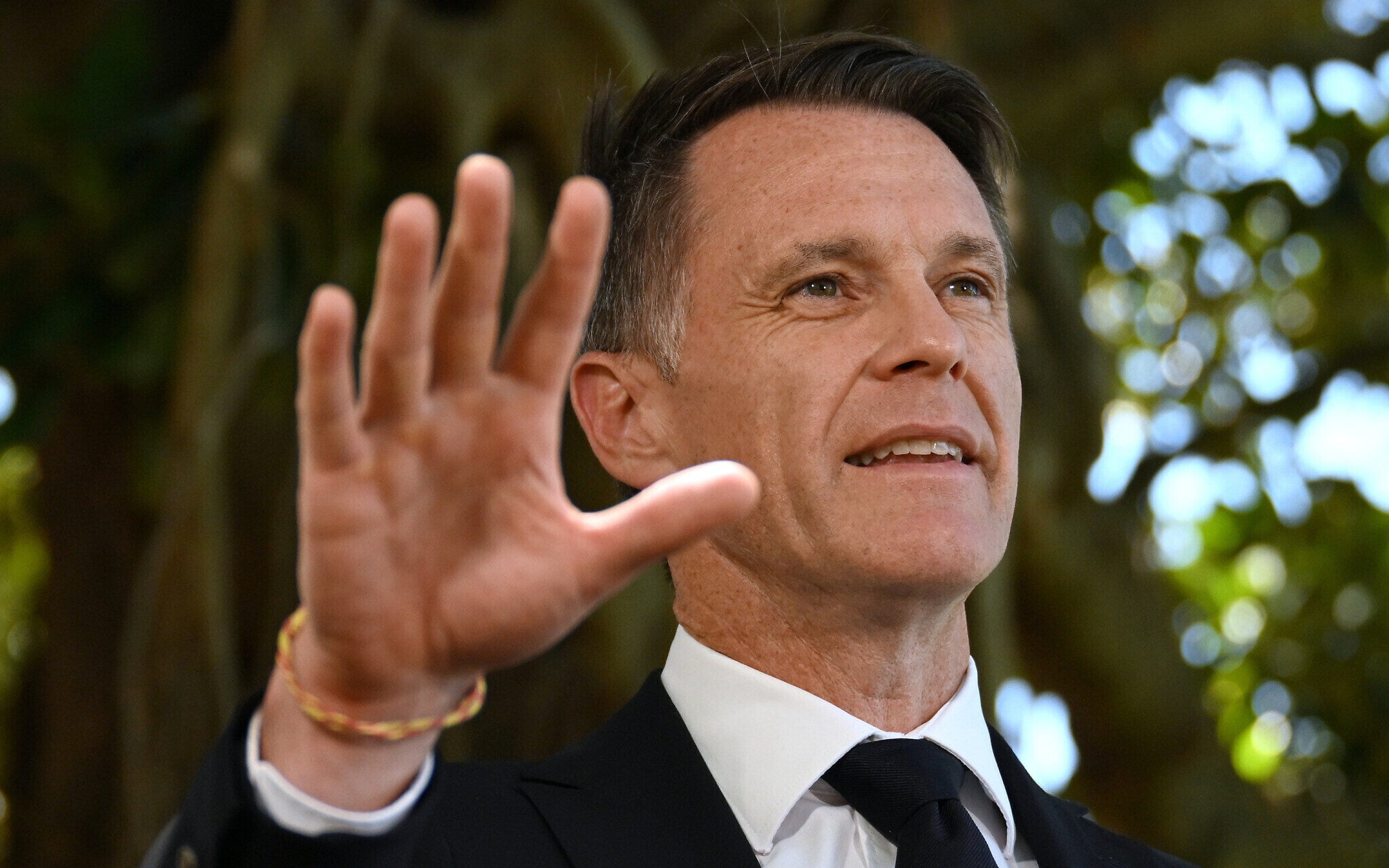
New South Wales Premier Chris Minns speaks about proposed new legislation in Sydney, Australia, December 23, 2025. (Dean Lewins/AAP Image via AP)
“I don’t know. I’d give anything to go back a week, month, two years, to ensure that didn’t happen. But we need to make sure that we take steps so that it never happens again,” Minns said.
A wide-ranging and powerful form of public investigation known as a royal commission will examine the circumstances surrounding the massacre and the surge of antisemitism in Australia since the Hamas-led October 7, 2023, massacre in Israel sparked the war in Gaza.
State leader promises Australia’s toughest gun laws
New South Wales Parliament was asked this week to pass laws that Minns said would provide the state with Australia’s toughest gun laws.
Experts say footage of the attack shows the gunmen apparently using guns with straight-pull mechanisms, which enable more rapid fire than a comparable bolt-action mechanism.
Straight-pull guns would not be available to recreational shooters such as Sajid Akram under the proposed new laws.
The new restrictions would include making Australian citizenship a condition of qualifying for a gun license. That would have excluded Sajid Akram, who was an Indian citizen with a permanent resident visa.
A government decision to refuse a gun license, for reasons including spy agencies’ suspicions, could no longer be appealed under the proposed reforms.
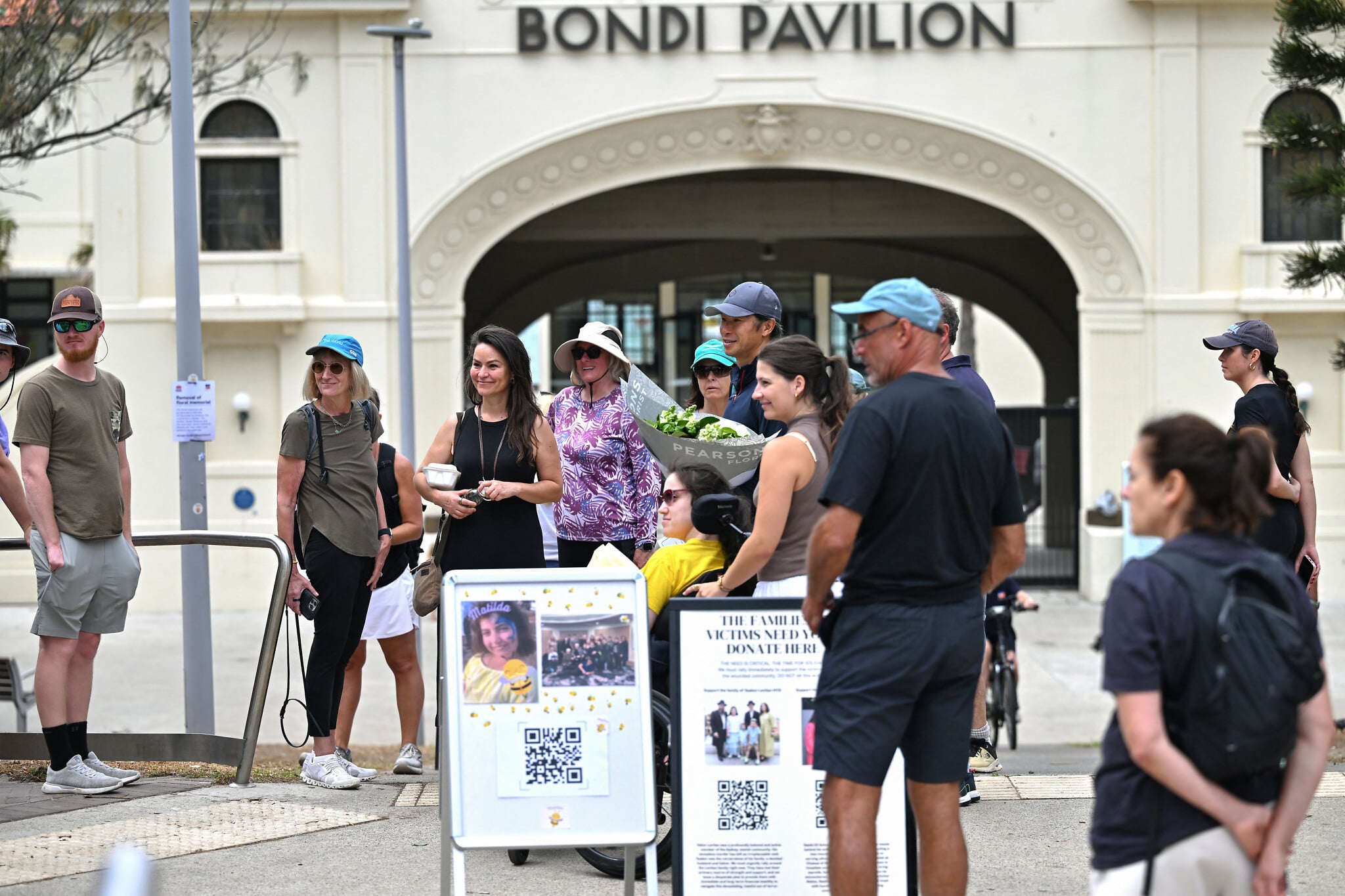
Mourners visit the site of a memorial outside the Bondi Pavilion after the clean-up of floral tributes following seven days of mourning, a week after the Bondi Beach terror attack targeting a Hanukkah event, in Sydney on December 22, 2025. (Saeed KHAN / AFP)
Recreational shooters would be allowed to own a maximum of four guns. Farmers and sports shooters would be allowed up to 10.
There are currently no limits in New South Wales. One individual currently has 298 guns registered in his name.
Farmers and rural lawmakers oppose gun reform
Farmers’ groups have complained that 10 guns won’t be enough for some. The Nationals party, which represents rural voters, opposed the proposed laws.
“The NSW Nationals Parliamentary team will not be supporting the Bill that uses gun reforms as a political tool rather than addressing the real issue of antisemitism,” a party statement said.
Australian Prime Minister Anthony Albanese agreed with Minns that six guns were too many for anyone living in suburban Sydney.
“The terrible events at Bondi show that we do need more guns off our streets,” Albanese said.
“There is no reason why someone living in (suburban) Bonnyrigg needs six heavy arms,” he added.
Home Affairs Minister Tony Burke said the federal government was drafting national reforms, including a gun buy-back scheme for newly restricted weapons and new offenses related to 3D-printed guns.
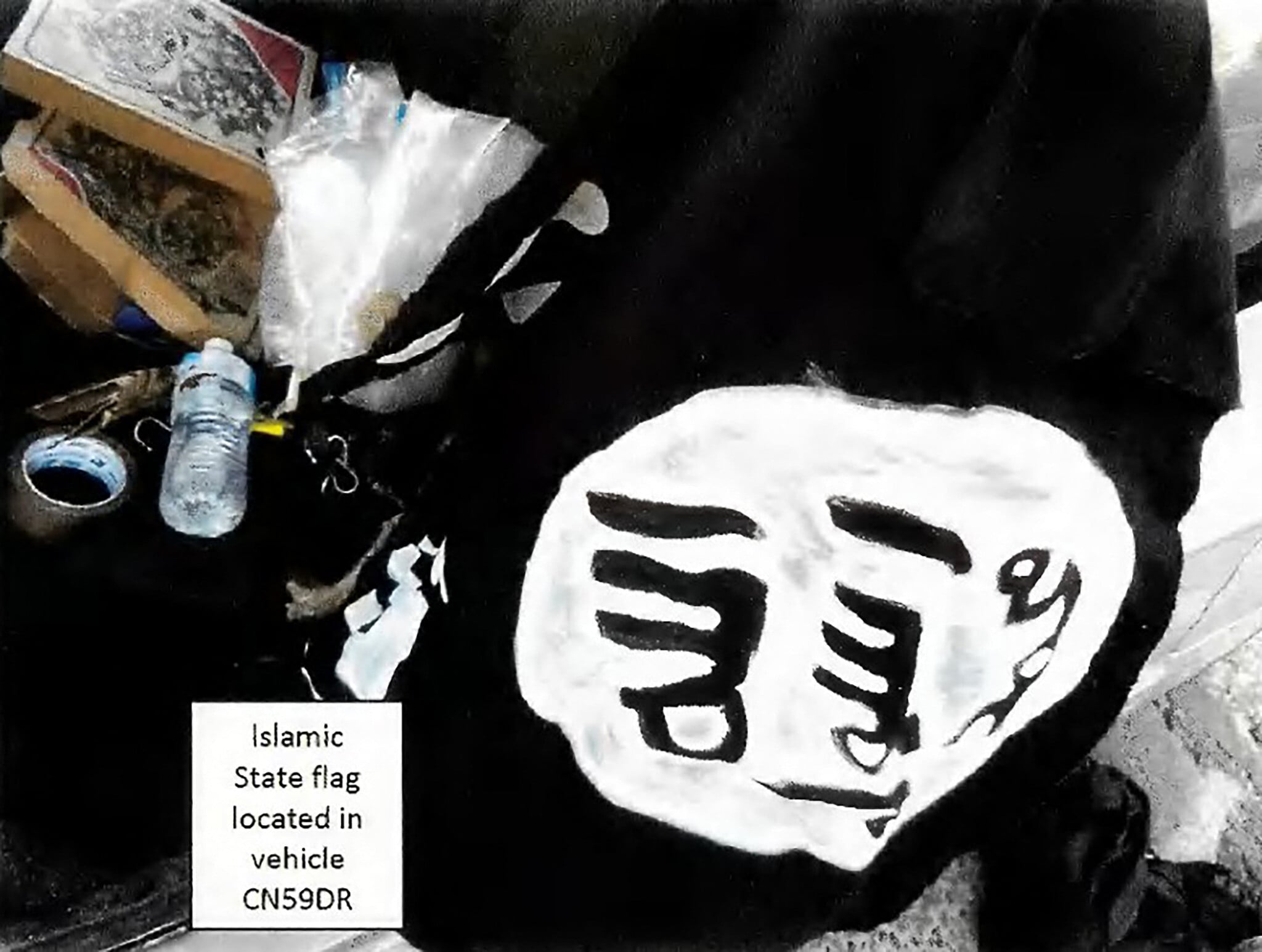
This handout photo from a court exhibit released by the NSW Courts as part of the police fact sheet on December 22, 2025, shows a general view of a home-made painted Islamic State (ISIS) flag, appearing to be made with white paint on black fabric, located in the vehicle CN59DR, registered to Naveed Akram, in Sydney. (Handout / NSW Courts / AFP)
Police allege that the day after the massacre, they found in a room rented by Sajid Akram 3D-printed parts for a shotgun speed loader. A speed loader enables a shooter to place multiple cartridges into a shotgun magazine at once rather than loading the cartridges one by one.
Police allege in court documents the Akrams adhered to a “religiously motivated ideology linked to Islamic State.”
Police shot Naveed Akram in the abdomen during the massacre. He was in Sydney’s Long Bay Correctional Complex on Tuesday after being transferred from a hospital on Monday.
He was charged last week with 59 offenses, including 15 counts of murder, 40 counts of causing harm with intent to murder in relation to the wounded survivors and one count of committing a terrorist act.
Bondi region mayor ‘the last person you can blame’
Three weeks before the terror attack, the mayor of the affected region had been feted at a global summit for fighting antisemitism.
“I think it’s really important for us here in Australia, and particularly Waverley, to be proud that we’ve been put on the international stage talking about what we have done in Australia to combat antisemitism,” Will Nemesh, the mayor of the Sydney-area region of Waverley, told the Australian Jewish News earlier this month about his appearance and panel discussion at the Combat Antisemitism Movement’s mayoral summit held in Paris.
Nemesh’s participation there followed one at an earlier event in September, with other Australian mayors, also put on by the Combat Antisemitism Movement. Jewish himself, Nemesh was committed enough to the cause of fighting antisemitism that he gave a presentation to his city council just days before the attack.
Nemesh’s staff was unable to make him available to comment to the Jewish Telegraphic Agency. But he spoke about his efforts to curb antisemitism during a gathering last week when he convened other mayors from the region in the aftermath of the terrorist attack.
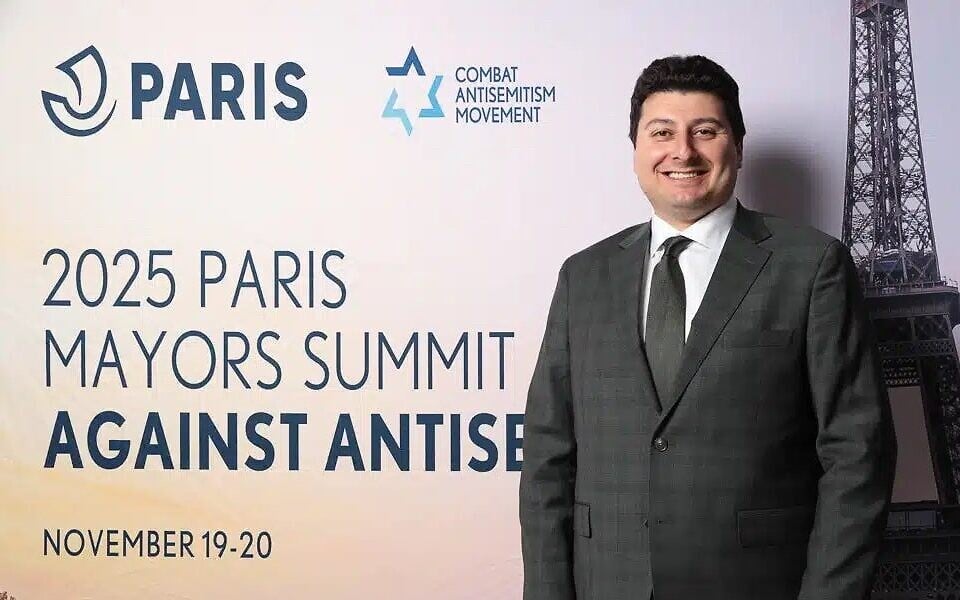
Waverley Mayor Will Nemesh attends a summit of the Combat Antisemitism Movement, in Paris, France, November 19-20, 2025. (Benoit Billard/Combat Antisemitism Movement)
“The last time we gathered as mayors in this same place was in February of this year. We gathered with a mission calling for action on antisemitism,” Nemesh said. “We had seen hate spreading through our communities. We knew then, as we know now, that hatred targeted towards the Jewish people never ends there. It spreads like a virus, infects our social cohesion and our Australian way of life, and tragically now it has directly led the loss of life.”
About his fellow mayors, he added, “Being here demonstrates their commitment to combating antisemitism at a local level.”
The Combat Antisemitism Movement has long pressured governments and institutions to follow its playbook in order to prevent antisemitic incidents. Now, with a vocal adherent of its strategy having experienced a violent antisemitic attack under his watch, an emissary for the movement has nothing but praise for him.
“You can definitely not blame him. He’s the last person you can blame,” Yigal Nisell, an advisor for the Combat Antisemitism Movement’s Australia branch, told JTA about Nemesh. “He’s not just a supporter of the Jewish community, he’s probably the most active mayor in Australia against antisemitism.”
At the same time, Nisell said, the organization has “a lot of anger coming out now for the government, massive anger.”
That anger, he said, should be directed at senior Australian officials, including Albanese, whom Nisell believes helped encourage the attack by recently recognizing a Palestinian state in the aftermath of October 7.
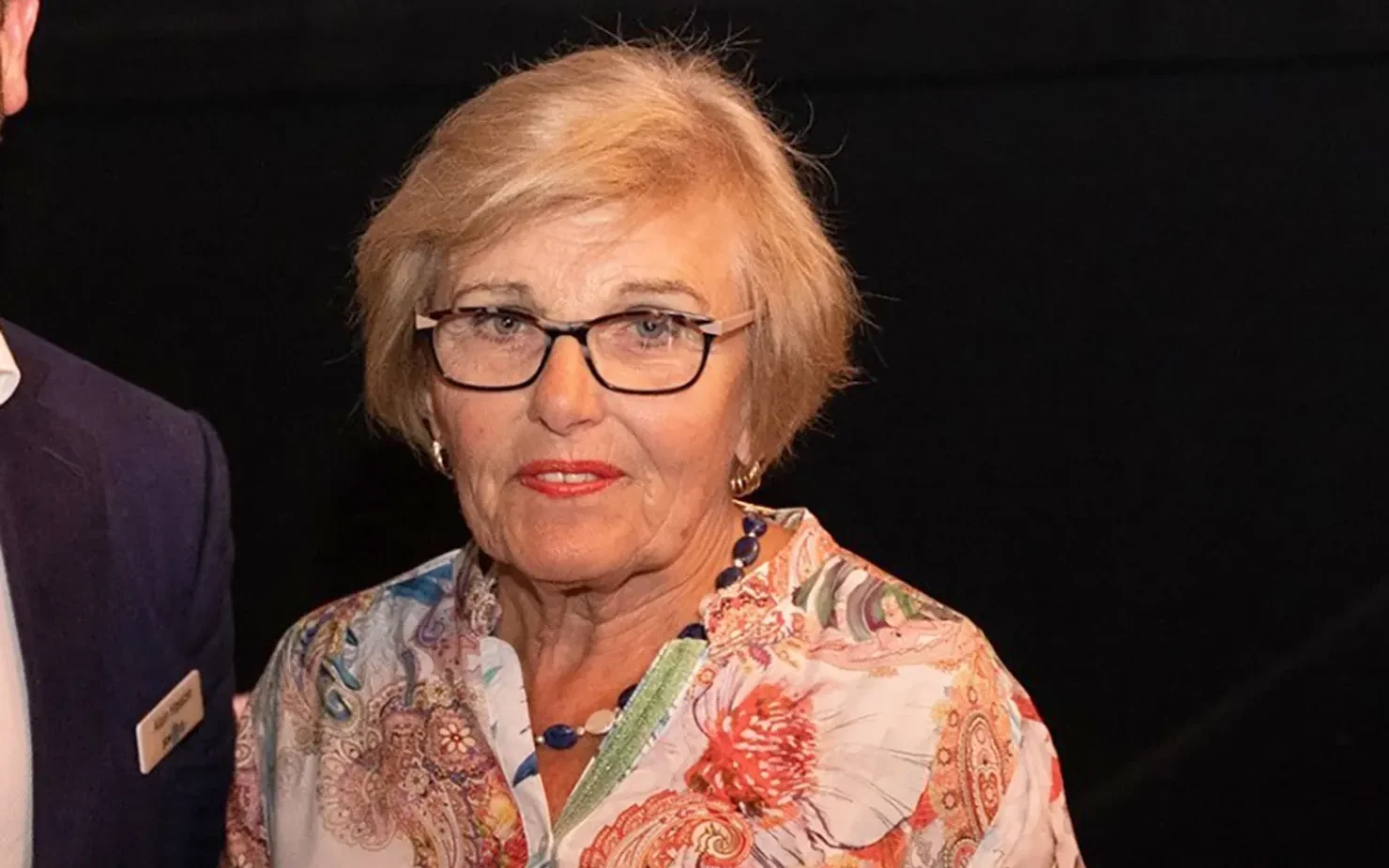
Marika Pogany. (Courtesy)
Victims’ funerals continued on Tuesday. A service for Marika Pogany, 82, was held at a Catholic church in Sydney. She was Christian, but her mother was Jewish, and she was close to Sydney’s Jewish community.
The health department said 12 people wounded in the terror attack remained in hospitals on Tuesday, including four in critical condition.
A gunman armed with semiautomatic rifles killed 35 people at Port Arthur in Tasmania in 1996, leading Australia to make major national gun reforms that drastically reduced the number of rapid-fire weapons in the community.