
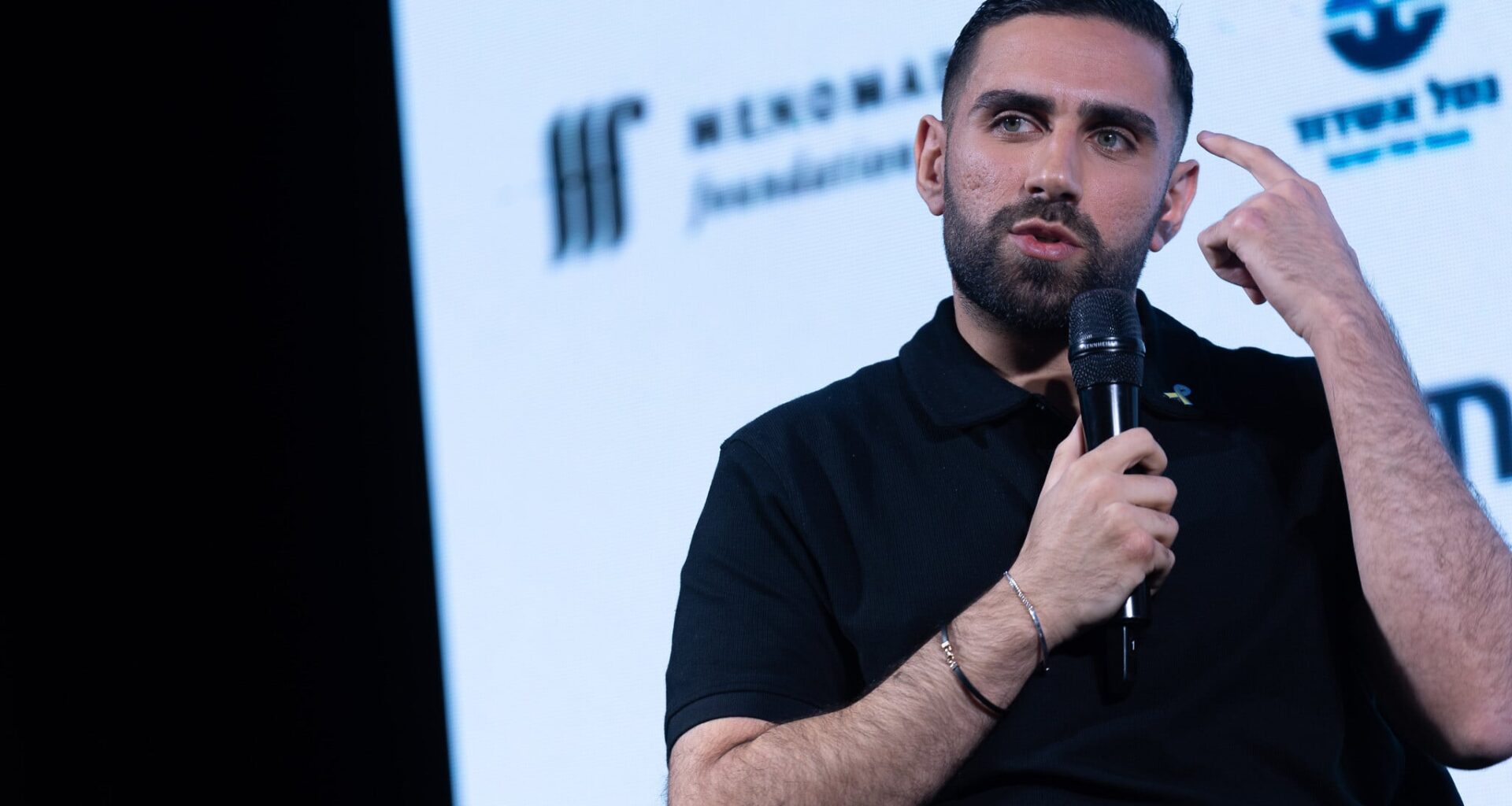
Former hostage Segev Kalfon, who was released in October after 738 days in Hamas captivity, accused the government on Wednesday of waging the war against the terror group at his expense.
Hamas “took me from within the country’s borders. Why did I have to sit and pay the price? Why did I have to bear the cost of this war?” he demanded in comments to Kan public radio.
“If they’d gotten me out, they’d have had to stop the war — they didn’t want to get me out, because they made [the war] their first priority, above human lives,” Kalfon charged.
“Where is [the religious obligation of] redeeming captives?” he said. “You’re a right-wing government. Where are all the religious people who sit in the Knesset?”
A resident of Dimona, Kalfon, now 27, was attempting to escape the Nova rave during the Hamas onslaught on October 7, 2023 when he was spotted by terrorists and abducted into Gaza, one of 251 people taken hostage that day. Terrorists who raided the music festival killed 360, the deadliest massacre of an onslaught that saw some 1,200 people killed.
Get The Times of Israel’s Daily Edition
by email and never miss our top stories
By signing up, you agree to the terms
Since being released with the final group of living hostages in October, he has spoken out about his harrowing experiences at the hands of his captors, but on Wednesday he also aimed his criticism at Israel’s handling of the war, noting that he was repeatedly put in danger by the military’s intense bombing campaign, to the point that he sought the suffocating protection of a Hamas tunnel.
The Israeli military “bombed me so many times” during the conflict, Kalfon said, “I got to a place where I said, ‘Great, if I don’t die at [Hamas’s] hands, maybe I’ll die by accident, at the hands of my own army.’”
“Twice, I emerged from ruins. They bombed me eight, nine times. Think of it. It came to where I wanted to go down into a tunnel,” he recalled. Kalfon was eventually taken underground.
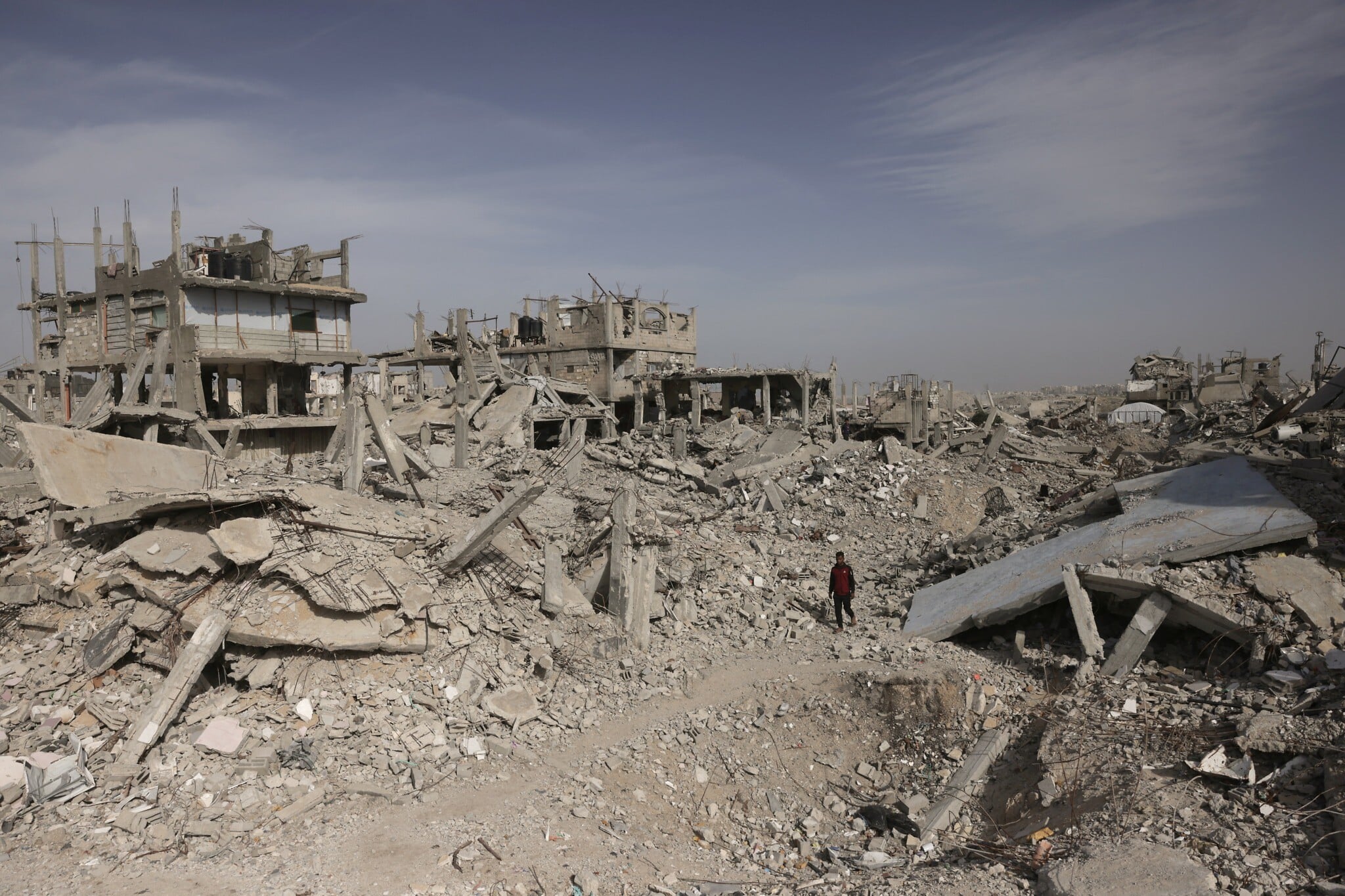
A Palestinian man on the rubble of destroyed buildings in Khan Younis, in the southern Gaza Strip, on December 13, 2025. (Bashar Taleb / AFP)
Kalfon laid into the government for failing to provide full disability payments to the returned hostages, stressing: “Even someone who spent just one day in captivity, is entitled to sit on a beach in Mexico with a coconut in their hand for the rest of their life — and for the government to pay for it all.”
Last month, the coalition voted down a bill, put forward by an opposition lawmaker, that would have granted an NIS 4 million ($1.2 million) aid package to released hostages and their families.
He repeated his contention that Hamas captors intensified their beatings due to National Security Minister Itamar Ben Gvir’s repeated boasts throughout the war of making conditions worse for Palestinian security prisoners.
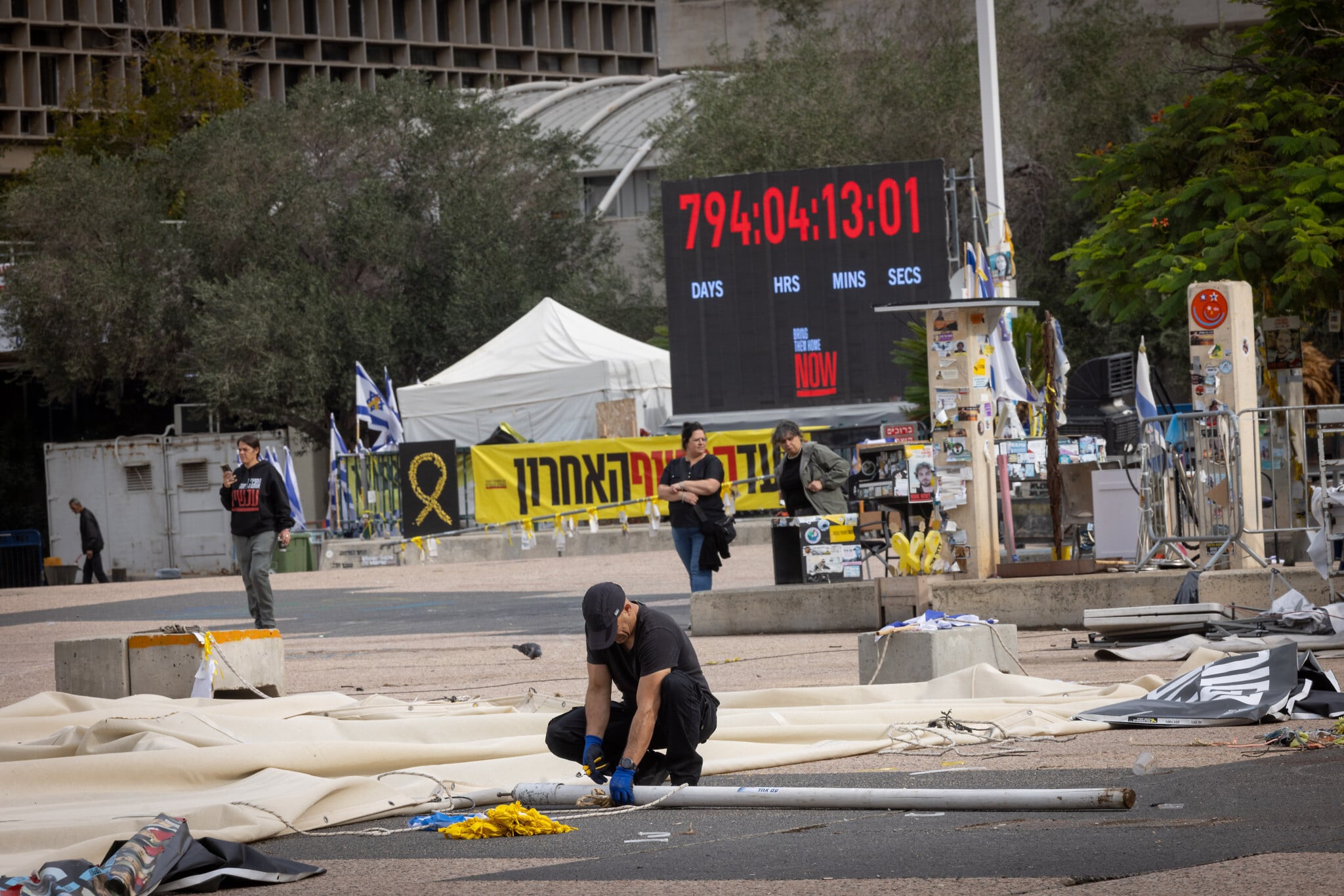
Workers dismantle installations at Hostage Square in Tel Aviv on December 9, 2025. (Miriam Alster/Flash90)
He also shared that he was allowed to listen to the radio in Gaza, and that about 16 months into his captivity, he happened to hear the voice of his mother, who was campaigning for his release. That moment, he said, marked a fundamental change in his commitment to stay alive.
“For the first year and four months, I lost hope many times. I got to a place where I thought I’d commit suicide, because I didn’t want to give them the satisfaction of killing me,” he said.
“But then, after a year and four months, I received the sign from my mom, and I understood that at the end of the day it wasn’t just a sign from my mom, but from God, who wanted me to keep surviving despite the hardship.”
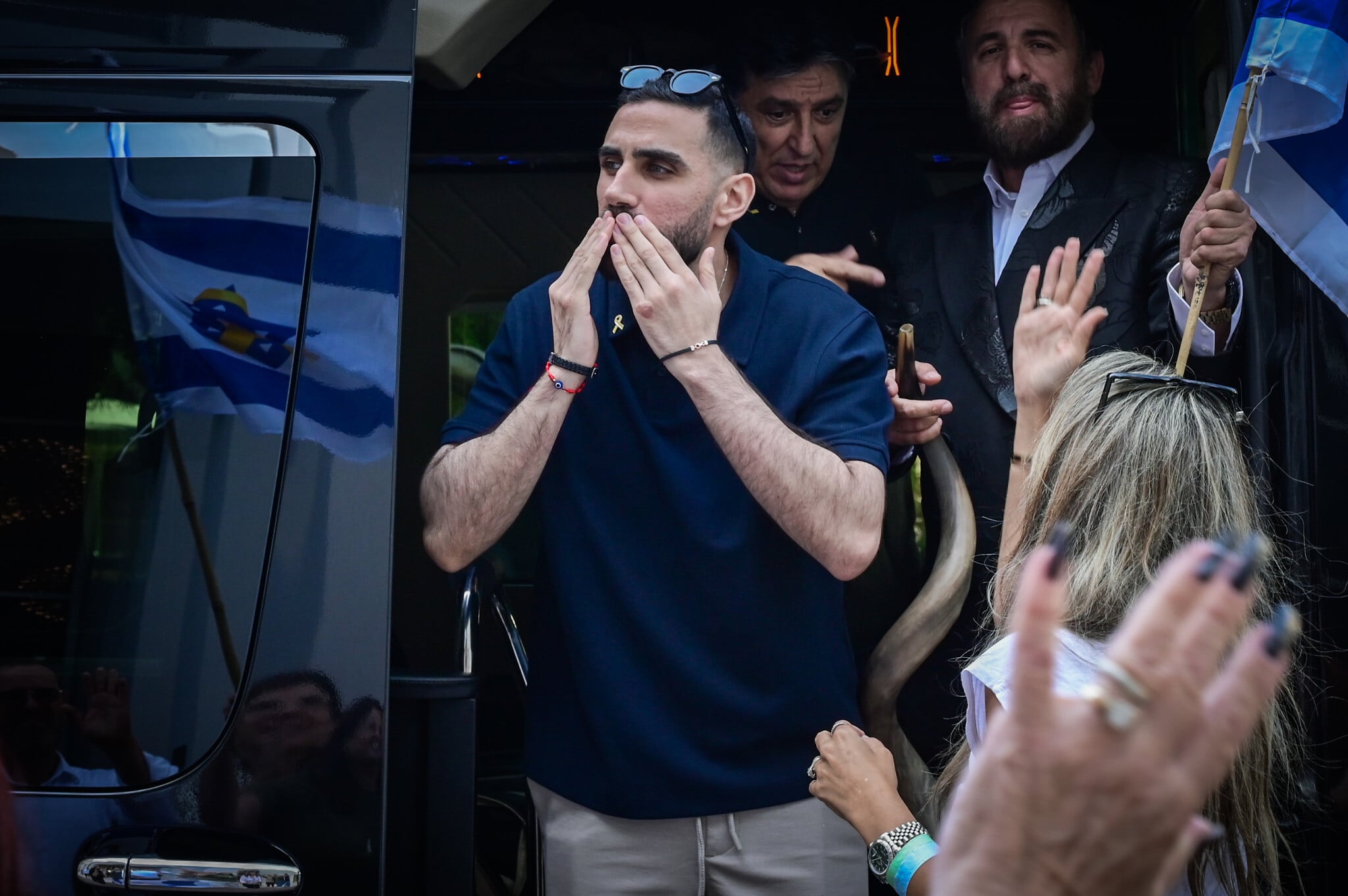
Freed hostage Segev Kalfon is released to his home from Kfar Maccabiah in Ramat Gan, October 26, 2025. (Avshalom Sassoni/Flash90)
Now that he has returned, Kalfon said, “I wake up a lot in the middle of the night; I don’t sleep much.” He told the interviewer: “I’m in therapy — I have a therapist — but no one’s been through what I’ve been through.”
“I give myself an hour, two hours, at night, to fall apart if I need to. My eyes saw things, my ears heard things, my body felt things that you can’t erase,” he said.
Is The Times of Israel important to you?
If so, we have a year-end request.
Every day during the past two years of war and rising global antisemitism, our journalists kept you abreast of the most important developments that merit your attention. Millions of people rely on ToI for fact-based coverage of Israel and the Jewish world.
We care about Israel – and we know you do too. So as 2025 draws to a close, we have an ask: show your appreciation for our work by joining The Times of Israel Community, an exclusive group for readers like you who appreciate and financially support our work.
Already a member? Sign in to stop seeing this
You appreciate our journalism

You clearly find our careful reporting valuable, in a time when facts are often distorted and news coverage often lacks context.
Your support is essential to continue our work. We want to continue delivering the professional journalism you value, even as the demands on our newsroom have grown dramatically since October 7.
So today, please consider joining our reader support group, The Times of Israel Community. For as little as $6 a month you’ll become our partners while enjoying The Times of Israel AD-FREE, as well as accessing exclusive content available only to Times of Israel Community members.
Thank you,
David Horovitz, Founding Editor of The Times of Israel