
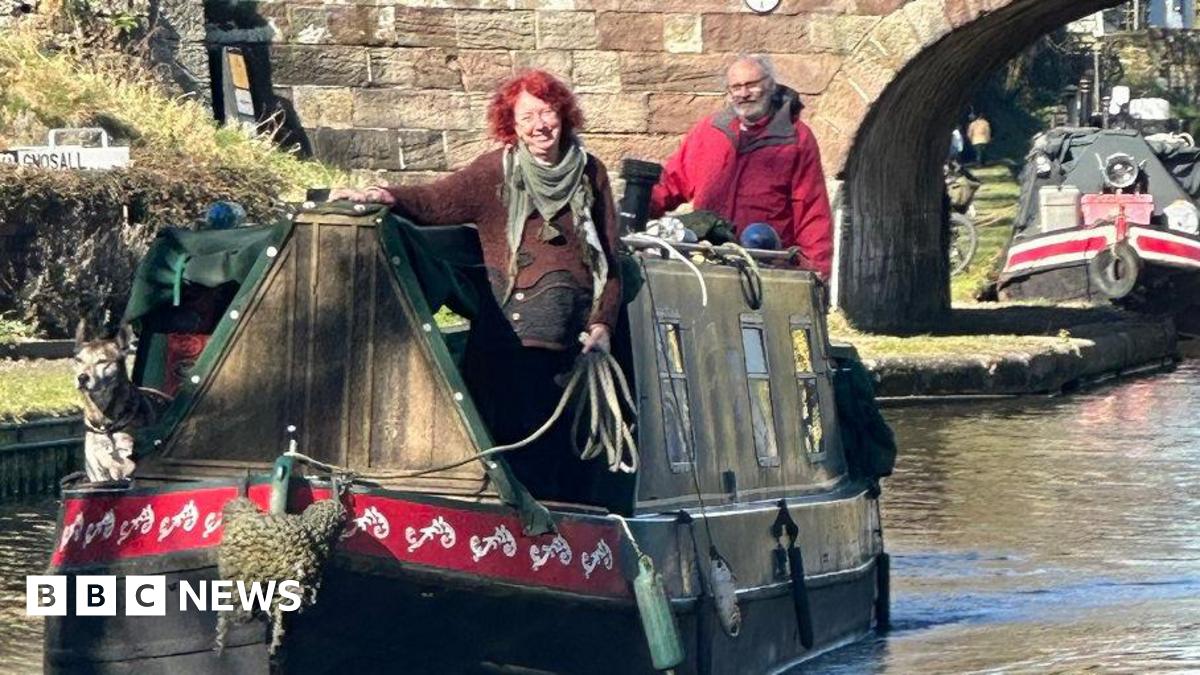
Both Mr Sadler and Ms Wells are on the council of the National Association of Boat Owners (NABO).
When the canal in Whitchurch collapsed, their immediate thoughts were for the boat owners, who they said had “narrowly escaped with their lives” and gone on to lose their homes and boats.
Their next thoughts were for the canals and future maintenance.
Mr Sadler said the embankment collapse was “not a common event, but it is one that has happened before and will happen again”.
He said the association had previously highlighted the need for adequate government funds to maintain the infrastructure and was also behind a Fund Britain’s Waterways campaign to increase awareness of the potential for such accidents.
One way to minimise the risk could be the use of cameras to check the condition of culverts, Ms Sadler said.
Culverts are covered channels or pipes carrying water below ground.
Ms Sadler said there were 2,000 miles of canal and “an unknown number of culverts”.
But he also said there were about 35,000 boaters and many of them were willing to give time and effort to help, and cameras were “relatively cheap”.
The government said canals and rivers provided a wide range of benefits, including connecting people to nature, which was why it was investing more than £480m in grant funding in the Canal & River Trust “to support the essential infrastructure maintenance of our much-valued waterways”.