

Listen to this article
Estimated 4 minutes
The audio version of this article is generated by AI-based technology. Mispronunciations can occur. We are working with our partners to continually review and improve the results.
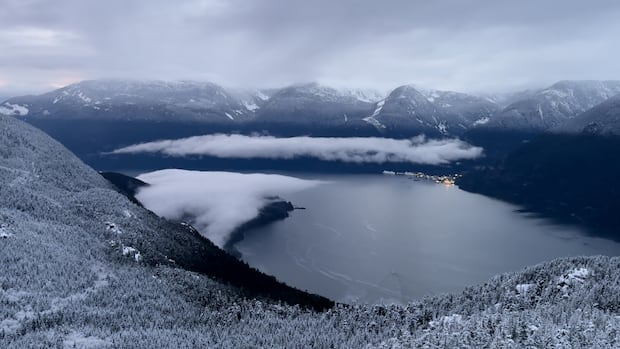
As winter weather ramps up in the Sea-to-Sky region, search and rescue teams are preparing for an influx of calls for help.
The region, world famous for winter recreation, is as beautiful as it is dangerous, and it’s common for people to get in over their head.
North Shore Rescue, for example, spent ten hours on Christmas morning searching for a missing hiker who got lost north of St. Mark’s Summit.
The volunteers located the person and managed to hike them to safety.
Team leader Scott Merriman said the rescue was one of three calls for help the team received in 33 hours.
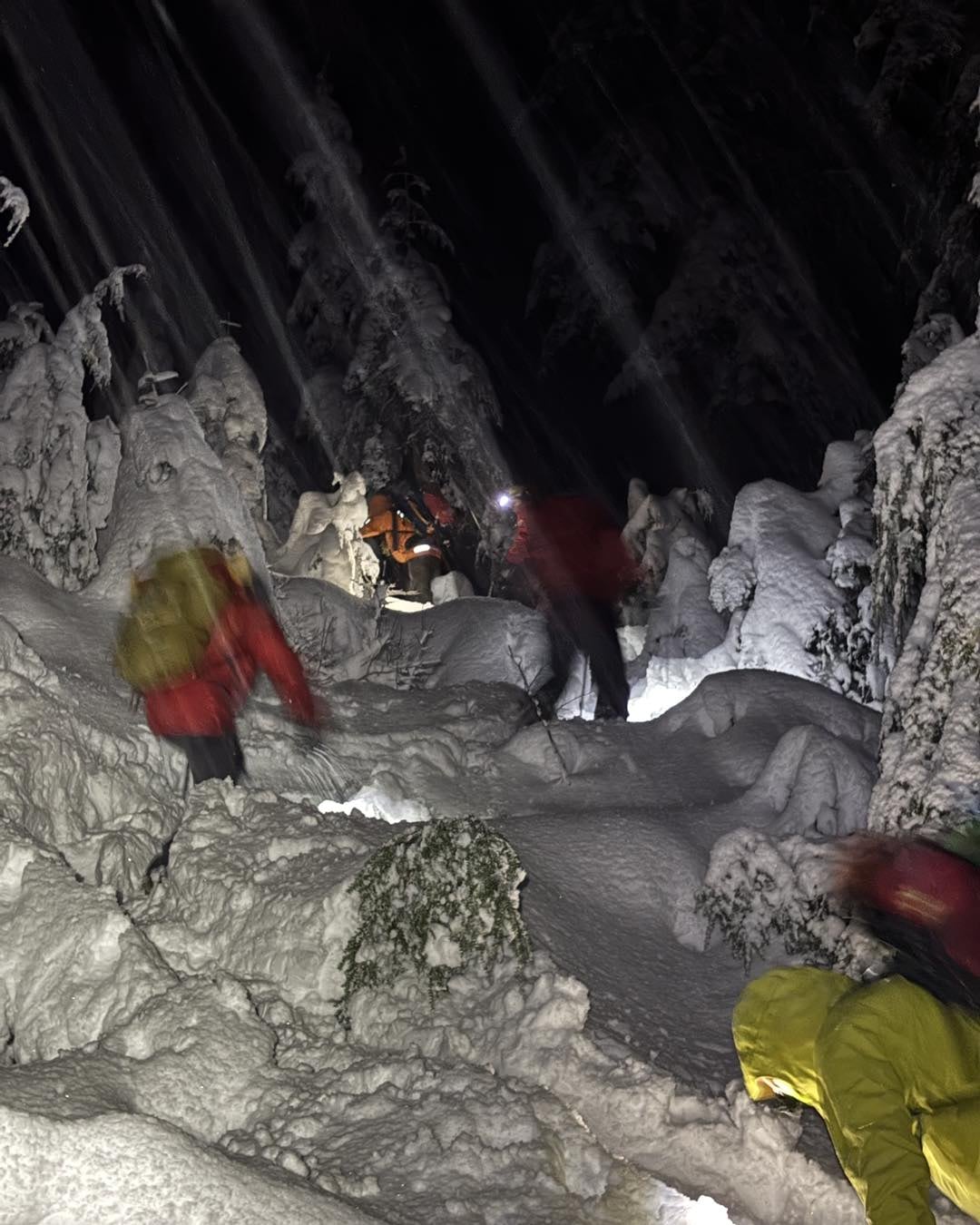 Volunteers were called to St. Mark’s Summit for a hiker who was stuck in a gully on Dec. 24 and spent until the morning getting them to safety. (North Shore Rescue)
“Now that winter’s here, I certainly anticipate that it will get a bit busier,” Merriman said.
Also on Dec. 24, two 16-year-olds got lost when skiing out of bounds on Cypress Mountain and called for help, although they managed to find their way out safely on their own.
The next day, North Shore Rescue was notified about a group of people camping on Pump Peak, concerned about snow and avalanche risk. Volunteers communicated with them, and they were able to safely hike out.
“The biggest thing is it’s avalanche country out there in a lot of locations,” Merriman said.
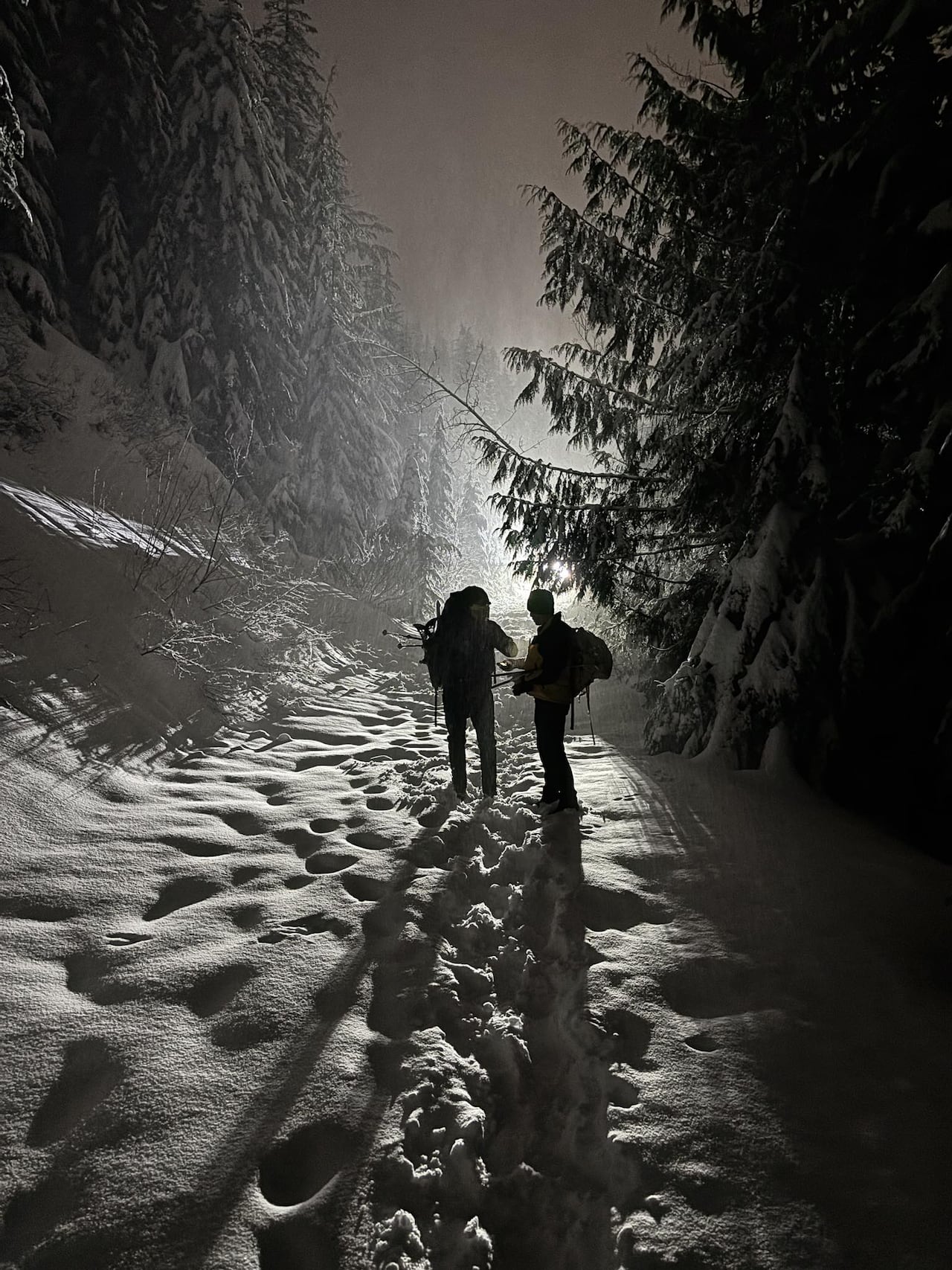 Ground teams responded near St Mark’s Summit and hiked out the missing person, returning to the parking lot around 6:30 a.m. on Dec. 25, 2025. (North Shore Rescue)
He’s advising people to be smart with route options.
“Even though you’re on a well-established trail and many other people have gone there, it doesn’t mean that you should go there,” Merriman said.
Avalanche risk should be top of mind, and people should learn how to self rescue and carry the proper equipment.
“If you are caught in an avalanche, your best chance of survival is the people that you’re with,” he said.
WATCH | Search and rescue teams urge caution: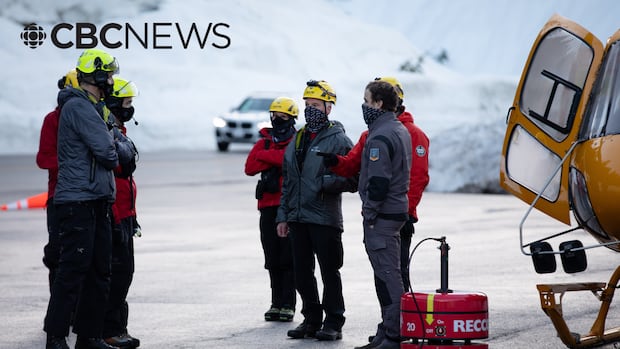
Sea-to-Sky search and rescue teams give safety advice amid harsh winter conditions
A blast of wintry weather has brought a significant dump of snow to the Sea-to-Sky region. Environment Canada says temperatures are going to drop further. As Alanna Kelly reports, search and rescue teams say they’re bracing for an increase in calls.Drowning in the snow
Over the last week, more than a metre of snow has fallen at Whistler Blackcomb ski resort.
Whistler Search and Rescue president Brad Sills said it has resulted in an unconsolidated snowpack, which creates concerns for snow immersion.
“Snow immersion is essentially drowning in the snow. Typically, you find yourself in a head-down position, and you can’t get out of it,” Sills said.
He suggests people always travel with a buddy.
“The snow is so fluffy that you can’t get a purchase on it, the more you fight it, it’s like quicksand, the deeper you go,” Sills said.
He expects calls for help to increase as the snow continues to fall.
Stay off Forest Service Roads
Pemberton Search and Rescue president and search manager David MacKenzie is warning people to stay off of forest service roads, which are not maintained during the winter.
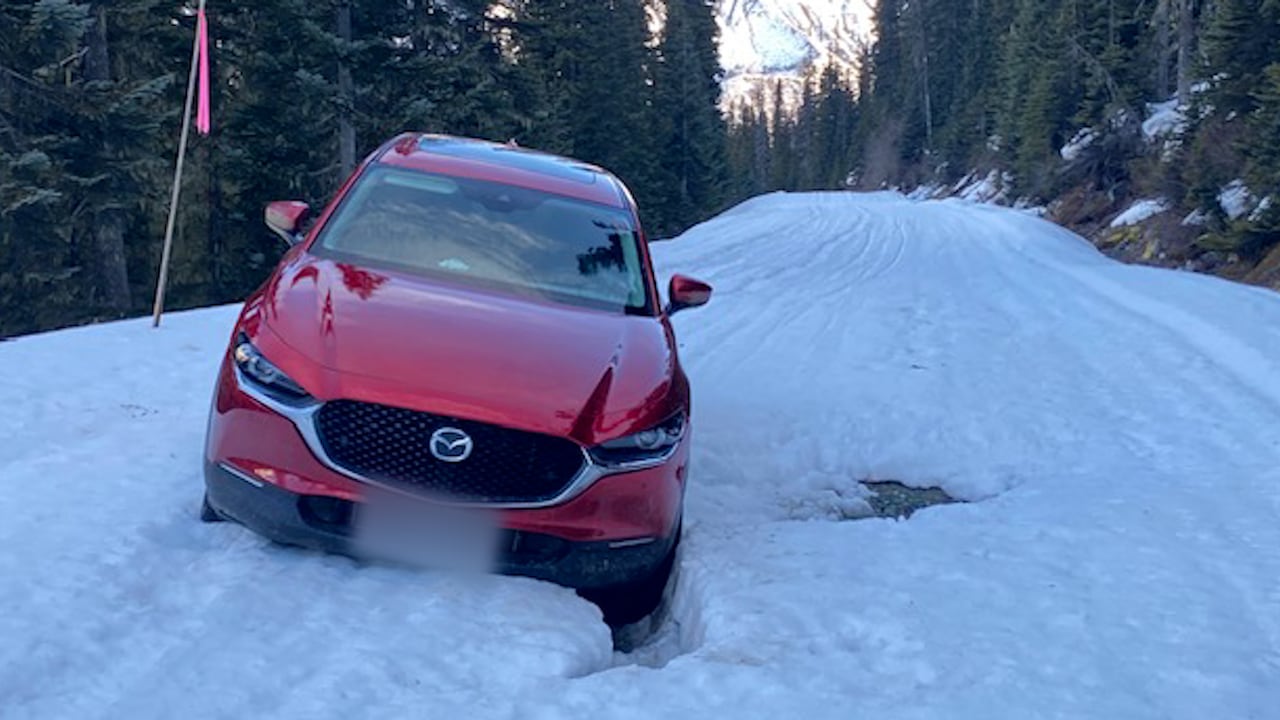 Pemberton Search and Rescue rescued a person stuck on the Hurley River Forest Service Road. (Pemberton Search and Rescue)
“People are very excited to get out there but, but it’s very important that they understand the conditions before they head out,” MacKenzie said.
“They’re putting themselves at risk and then also the risk to our team if we have to go out and save them.”
And, if there’s not enough daylight, SAR teams won’t be able to fly a helicopter in.
“You need to be prepared to wait,” MacKenzie said.
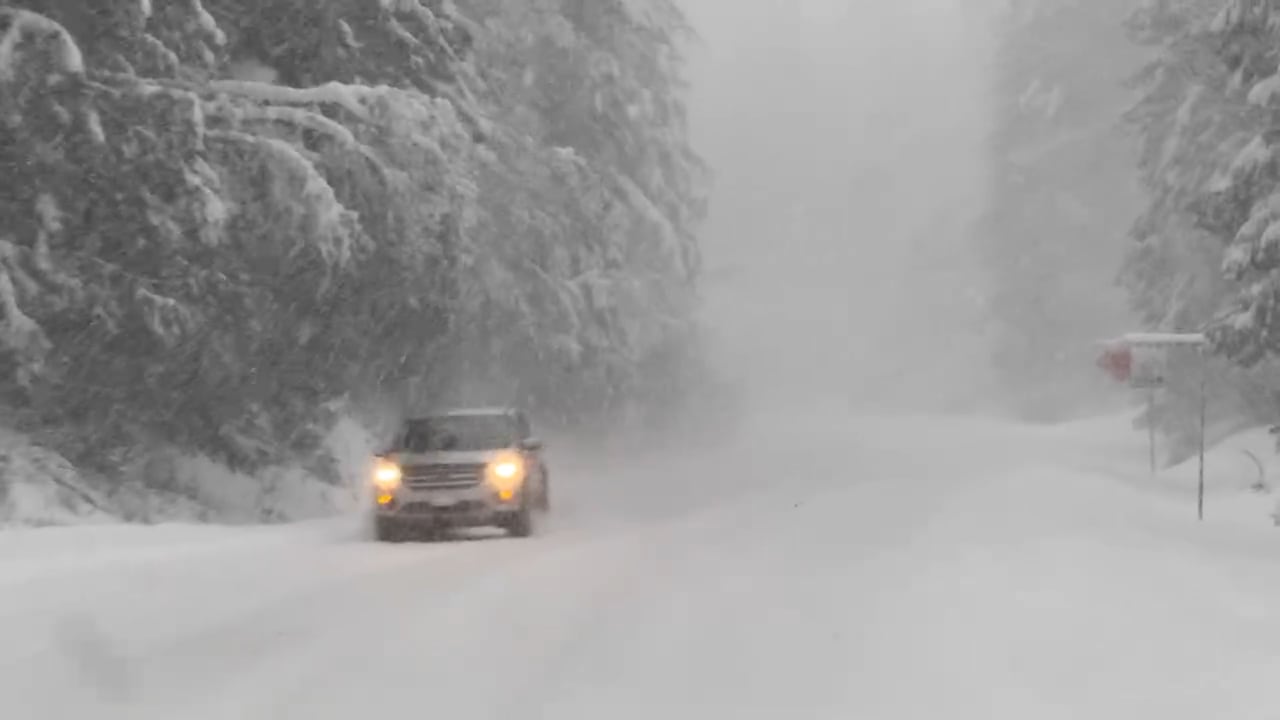 Heavy snow blanketed the Duffey Lake Road north of Lillooet, B.C., on Dec. 26, 2025. (Jenny Goossens)
A program in the Sea to Sky region ties together all of the avalanche rescue resources should an emergency take place.
“If a call comes in to any one of the organizations, they can call upon the rest of the organizations to come immediately,” Sills said.